
Last updated November 25, 2026
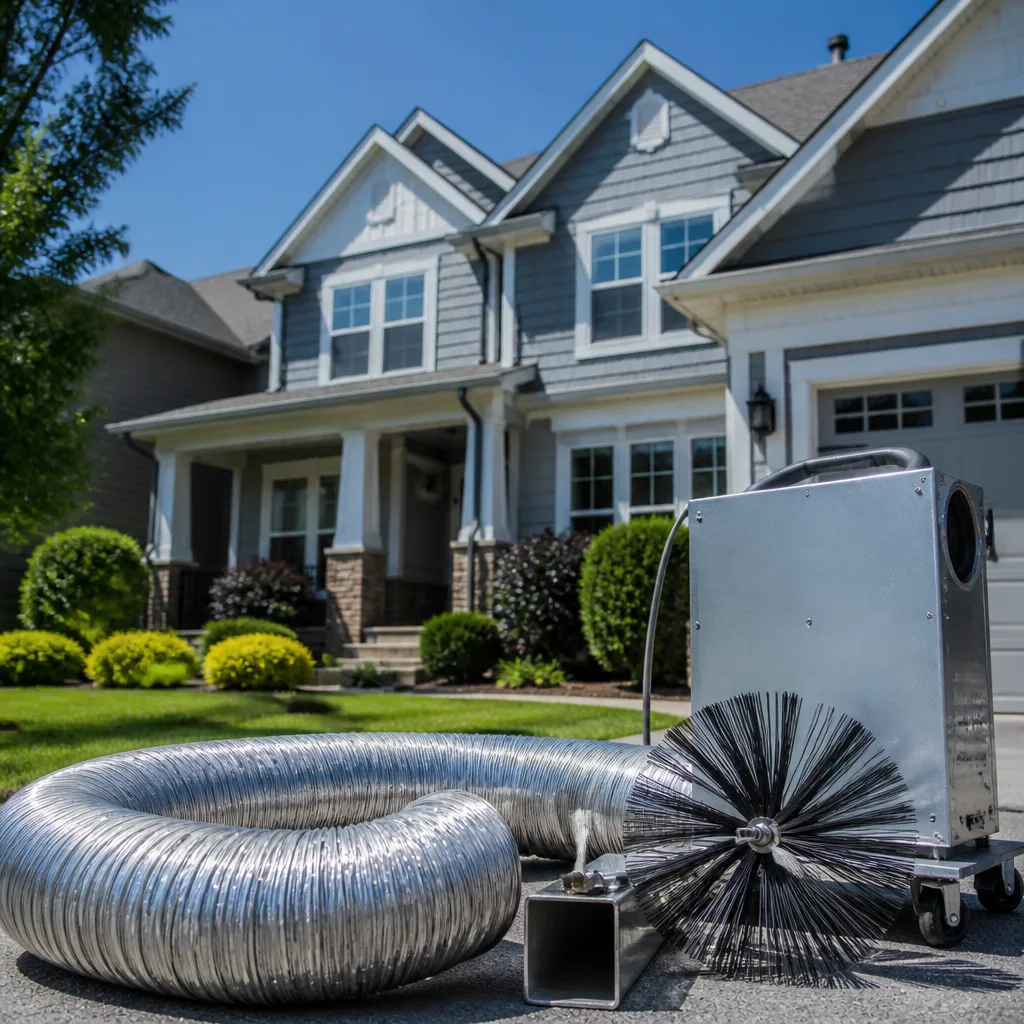 Whole-home duct cleaning
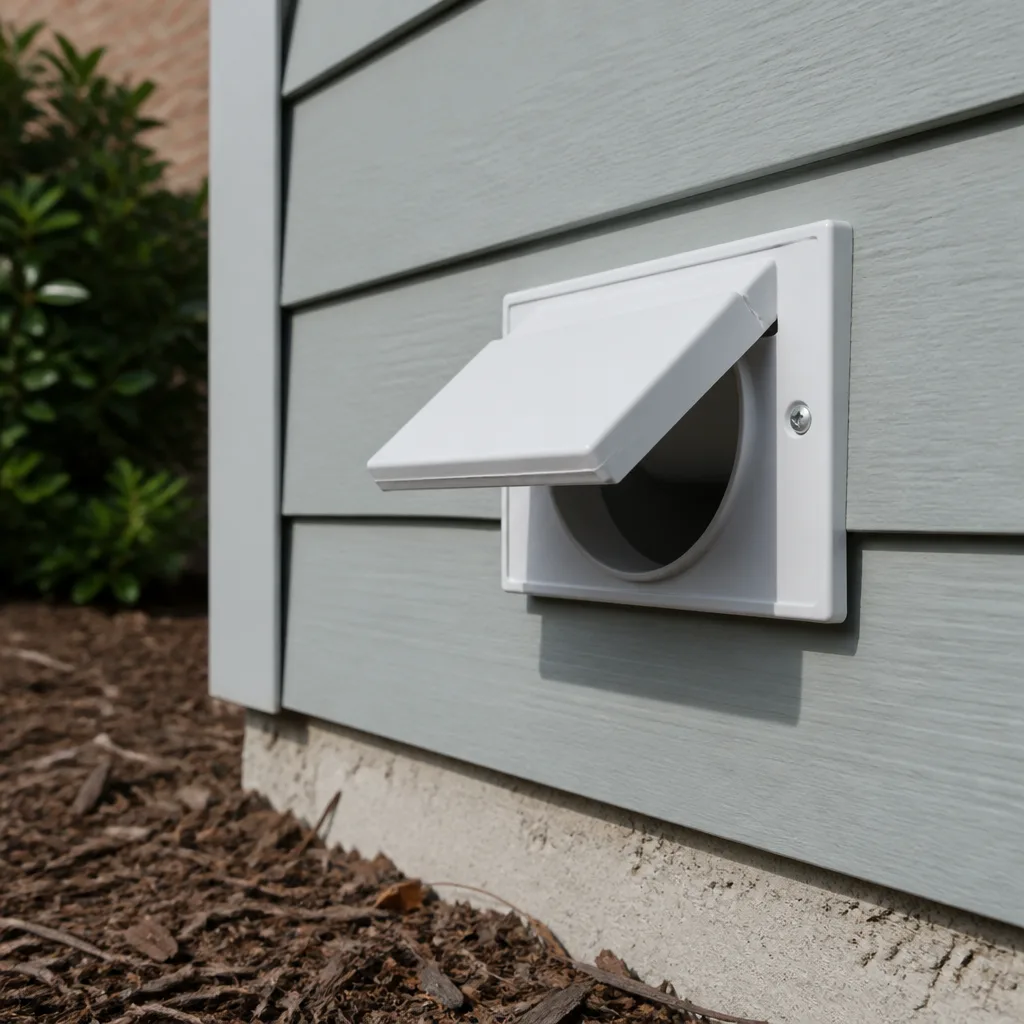 Dryer vent cleaning
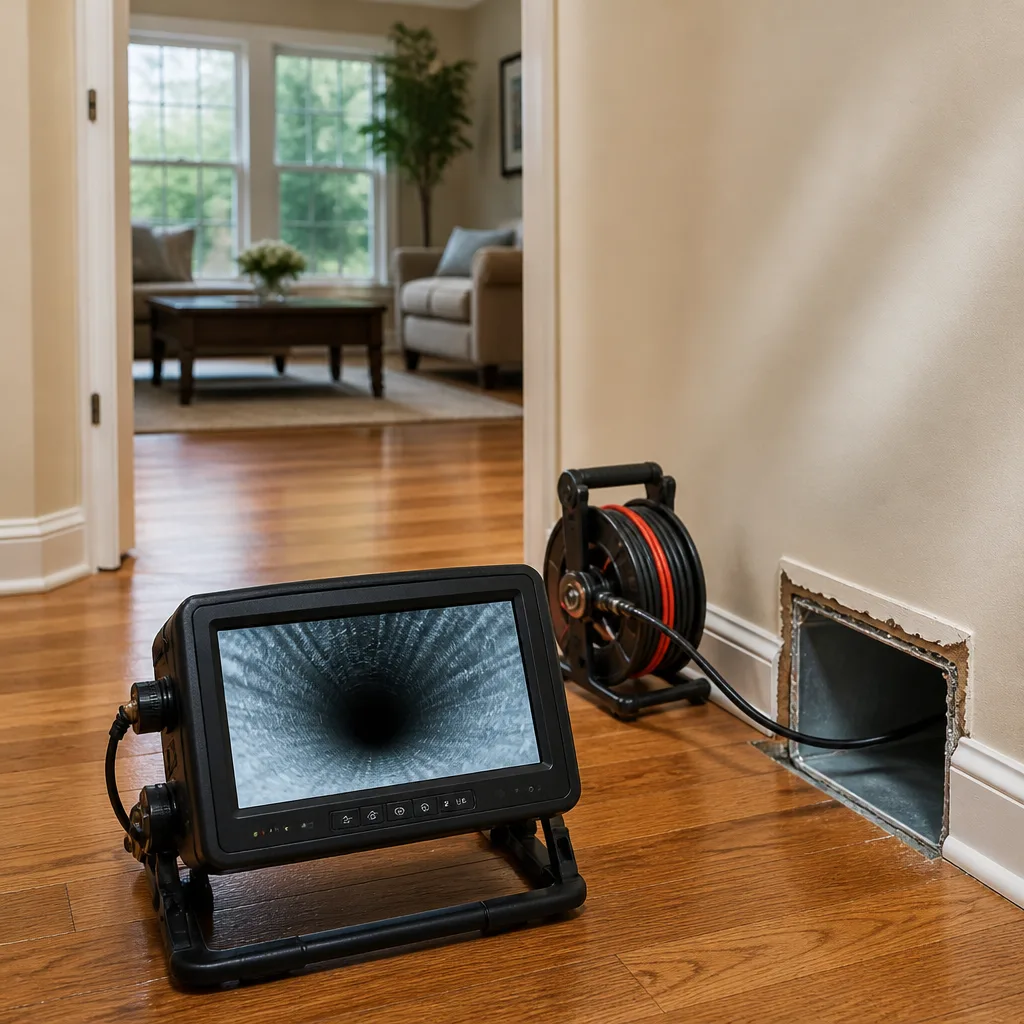 Camera inspection
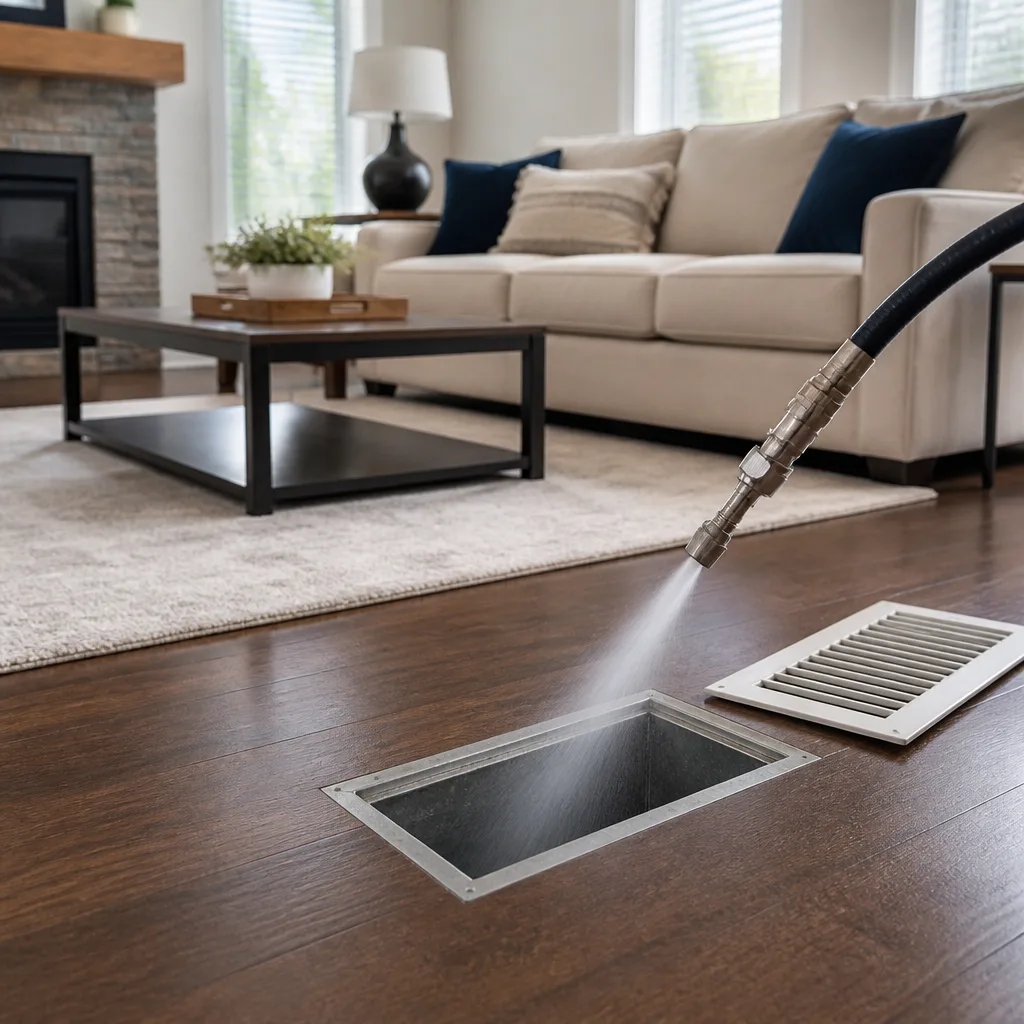 Sanitizing & deodorizing
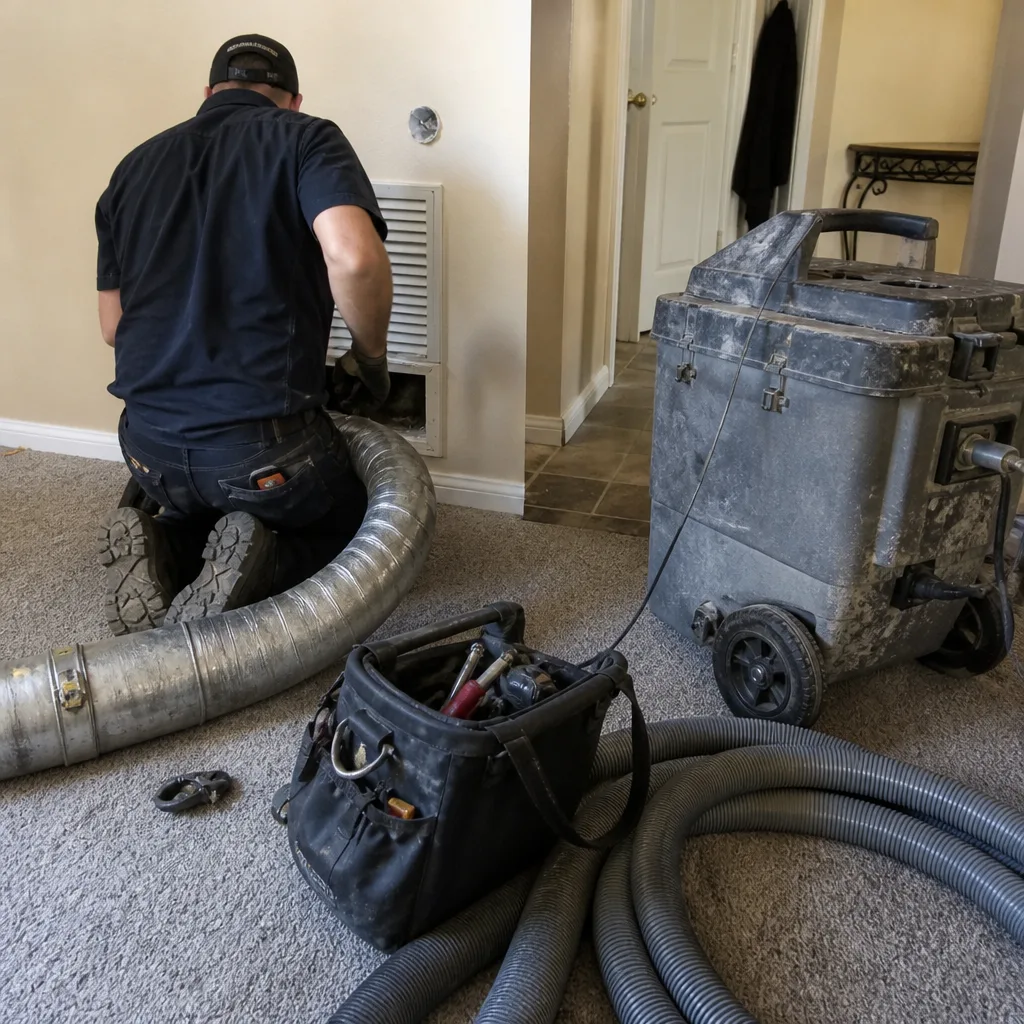
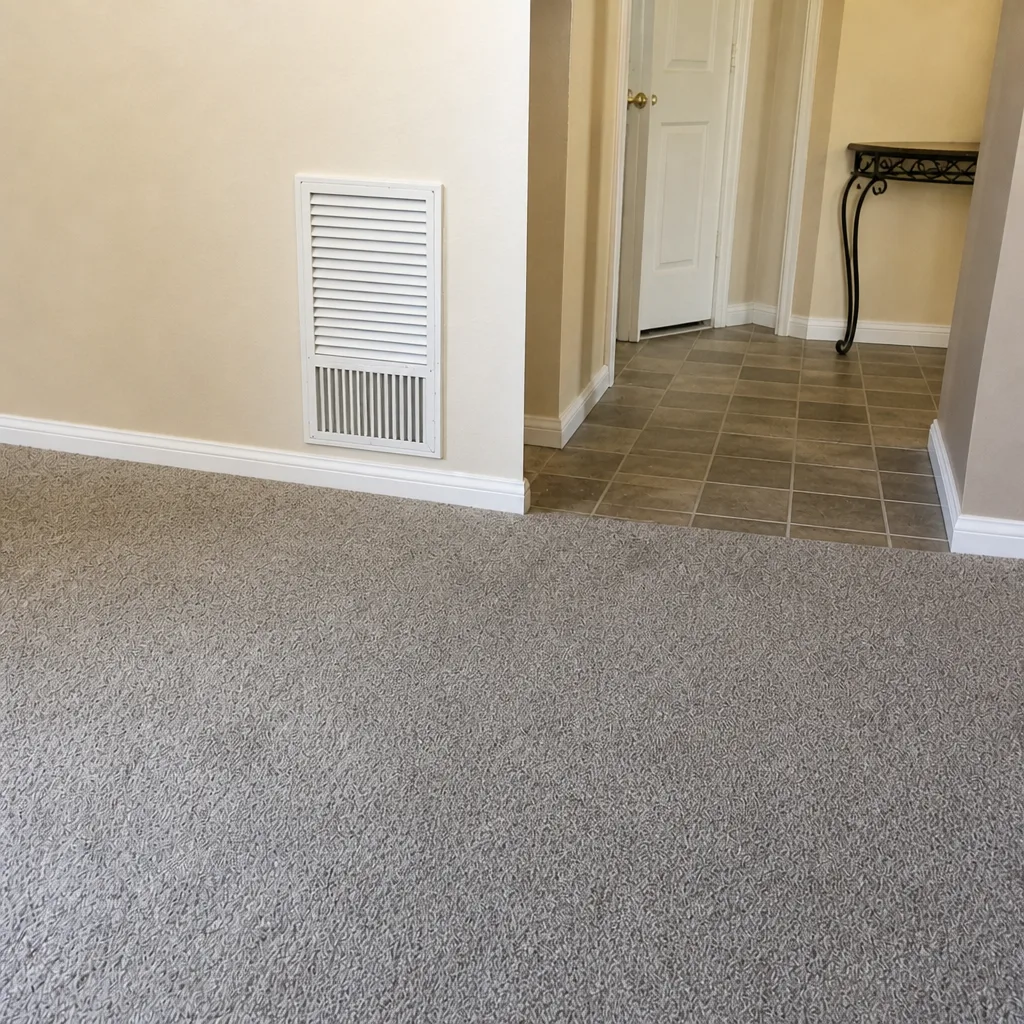
Whole-system duct and dryer vent check with before-and-after photos - you see exactly what came out of your vents
That "$99 whole-house special" is a bait ad - the real number appears once they are in your hallway, or the "clean" is a shop-vac at the register. We photograph the inside of your ducts before and after instead.
Air Duct Cleaning Permits, Codes & Inspections in Issaquah, WA: What You Need to Know
Most homeowners assume duct cleaning is permit-free, and for a straight clean it is. But duct sealing with mastic or metal tape, duct replacement, or any work on the air handler crosses into mechanical permit territory under Washington’s current building codes. That line matters more in Issaquah than most people realize. Homes here sit on slopes, in older neighborhoods, and in newer construction with tight envelopes, and the work that gets done to ductwork quietly shapes what happens at resale. This guide walks through exactly where cleaning ends and permitted mechanical work begins, what an inspection looks like, which contractor license class applies, and what documentation to keep afterward.
Quick Answer
In Issaquah, WA, standard air duct cleaning does not require a permit. Duct sealing, duct replacement, and any modification that affects the air handler or the mechanical system generally require a mechanical permit under the Washington State Building Code as adopted by the City of Issaquah, and that work must be done by a licensed mechanical contractor and inspected. The paperwork you keep after the job is what protects you at resale and with your insurer.
Styles & brands we work with
- Whole-home duct cleaning
- Dryer vent cleaning
- Camera inspection
- Sanitizing & deodorizing
Table of Contents
- Where cleaning ends and permitted mechanical work begins
- When duct sealing triggers a mechanical permit
- What the inspection process actually looks like
- Which contractor license class you should see for duct work
- How unpermitted duct work surfaces during a home sale
- What documentation to request and keep
- How Issaquah’s climate and housing stock affect duct work
- Choosing a contractor who understands the rules
Where Cleaning Ends and Permitted Mechanical Work Begins
The cleanest way to think about it: cleaning removes material, and mechanical work changes the system. A technician arriving with an air duct cleaning setup and pulling debris out of a duct run isn’t altering the building’s mechanical infrastructure, so no permit is triggered. The moment a contractor cuts into a duct, reconnects a run, replaces a section of flex or hard pipe, or moves a fitting, that’s a physical change to a mechanical system, and Washington treats it as permitting territory.
Here’s the practical breakdown of what sits on each side of the line:
- No permit required (typically): Source-removal cleaning, negative-air containment, brushing and vacuuming of duct interiors, dryer vent clearing, coil cleaning, and sanitizing of existing surfaces inside the system.
- Permit-required in most Issaquah cases: Replacing or rerouting duct runs, adding a new supply or return, sealing joints with mastic or tape when it involves opening the system, replacing the air handler or any part of it, and changing the duct layout to serve a new room or remodel.
- Gray zone: Spray-on sealant products. Some create a coating that changes the interior surface of the duct, and whether that’s a repair or a treatment depends on how it’s applied and how your local building department reads it. Ask before it happens, not after.
If you’re unsure which side of the line your job falls on, the right move is a quick call to the City of Issaquah’s building department before scheduling. It’s a five-minute conversation that saves months later. Our technicians have up to 8 years of experience and can tell you up front whether a job will need a permit.
The other thing to know: permits are about the building, not the cleaning. A permit application describes work performed on a structure, and it names a licensed contractor. It’s not a health or air quality certification. If a contractor tells you they’re “pulling permits for duct cleaning,” that’s your signal to ask follow-up questions about what they’re actually planning.
When Duct Sealing Triggers a Mechanical Permit
Sealing is where most Issaquah homeowners get surprised. A duct system leaking 20 to 30 percent of its air into a crawlspace isn’t just wasting energy, it’s pulling moisture and whatever else lives down there into the living space. So sealing is real work with real value. It’s also generally mechanical work as far as the building code is concerned, because it modifies the duct system’s performance and its physical envelope.
The most common sealing methods and how they read under the code:
- Mastic and mesh over accessible joints. The contractor opens the system, cleans the joint surface, applies fiberglass mesh and mastic, and closes it up. This is a mechanical repair in most jurisdictions, so expect a permit and an inspection, especially if multiple runs are addressed.
- Metal tape on exposed joints. Similar story. Small spot tape over a single visible joint may not trip a permit review, but contractors should still document it on the invoice with photos.
- Spray-on sealants applied from inside the duct. These coat the interior and require access, often through a drilled port. Ask specifically whether the city treats this as a mechanical modification. Some do, some don’t, and the answer can change as codes evolve.
- Replacing a failed duct run. This one is almost never exempt. It’s a physical swap of mechanical equipment, and it needs a permit and inspection.
Here’s the honest part: an unpermitted sealing job that works well still functions, and an unpermitted job that leaks causes a problem you may not notice for years. The permit isn’t about the seal itself. It’s about the record that the modification happened, was inspected, and meets code. We repair what we find on our visits, and when the repair crosses into permit territory, we say so before touching it. If you want a full-system assessment before deciding, an HVAC cleaning visit is a good starting point because it tells you exactly where the leaks are.
What the Inspection Process Actually Looks Like
A mechanical inspection for duct work is usually less dramatic than people expect. A city inspector arrives, looks at the work, confirms the materials and connections match what’s on the permit application, and signs off. Most residential inspections take well under an hour. The contractor schedules it, the homeowner typically doesn’t need to be present for the accessible-work portion, and the permit closes when the inspector signs.
Step by step, here’s how a permitted duct repair typically unfolds in Issaquah:
- Scope and permit application. The contractor determines exactly what’s changing, files the mechanical permit with the City of Issaquah, and pays the fee (usually a modest flat amount plus a small percentage of job value).
- Rough-in inspection. Before ducts are closed up or drywall is patched, the inspector confirms the new duct runs, connections, and sealing materials are visible and correct.
- Final inspection. After the system is back together, the inspector confirms the finished installation, verifies the permit scope is complete, and signs off.
- Record retention. The homeowner should receive a copy of the signed permit and inspection record. Keep it with the home’s other maintenance paperwork.
For larger systems, the contractor may also be required to show that airflow is within an acceptable range for the equipment it serves. Not every inspection includes a performance test, but if your system is having pressure or balance issues after sealing, that test is the clearest proof the work did what it was supposed to do. A dryer vent cleaning visit at the same time is worth considering, since ventilation paths in a home share pressure and exhaust behavior, and a blocked dryer vent can make the whole system work harder.
Which Contractor License Class You Should See for Duct Work
Washington runs contractor licensing through the Department of Labor & Industries, and mechanical work falls under specific classes. For duct repair and sealing, the contractor should hold a mechanical contractor registration. For replacing the air handler or reconnecting the equipment it serves, the same registration applies and the equipment must be installed by someone licensed for that scope.
Cleaning-only work is different. Someone who shows up to vacuum ducts and clear a dryer vent isn’t automatically required to hold a mechanical contractor license, because cleaning doesn’t change the system. But the moment the conversation shifts to sealing, duct replacement, or anything that touches the equipment itself, the person doing it needs to be properly credentialed. When you’re vetting a contractor, look for the following:
- Active registration with L&I. Verify online, not just by word of mouth. The registration number should be on the invoice and the written estimate.
- Liability insurance and workers’ comp. The local pro is licensed and insured as their state requires, and you should see evidence of both before work begins.
- Clear separation of scope. A reputable contractor tells you in writing what’s cleaning, what’s repair, and what needs a permit.
- Documented equipment. Industrial gear matters here. Rotobrush contact-cleaning systems, Nikro industrial HEPA vacuums, and Abatement Technologies negative-air equipment all belong on a professional job; a shop-vac and a wand do not. Our crews run the same equipment NADCA-certified professionals rely on.
This is also where we differ from a single-task crew. One call covers the whole system: cleaning, duct repair, sealing, and sanitizing. If a repair triggers a permit, we tell you what it involves and help coordinate the inspection. No subcontracting, no referral runaround, no gap where one contractor blames the other.
How Unpermitted Duct Work Surfaces During a Home Sale
This is the section most people read last and wish they’d read first. When a home in Issaquah goes on the market, the buyer’s inspector looks at the visible mechanical systems. Duct modifications are often identifiable by the materials, the connections, and the age of the work relative to the rest of the home’s records. If the modification isn’t on file with the city, the buyer’s agent will ask for a permit record and there won’t be one.
What typically happens next:
- The buyer requests retroactive permitting. This means opening up the work, having it inspected, and paying the city a permit fee (often higher than the original fee). The work itself may also need correction to pass.
- Timeline stretches. Inspections get scheduled, corrections get done, and closings slip. In a competitive Issaquah market, a stalled closing has real cost.
- Negotiation leverage shifts. Even if the work is fine, the missing paper is a reason for the buyer to ask for a credit. The work itself might be worth $1,500 and the lack of a permit might cost you more than that at the table.
- Insurer questions. Some insurers ask about unpermitted work when a claim involves the system. A signed permit record closes that question.
The fix is simpler than the problem: request the permit before the work, not after. If you’ve inherited a home with duct modifications that have no record, the responsible path is to have a licensed contractor review the work, document what’s there, and file for retroactive permitting if the city requires it. It’s faster than arguing about it during a sale.
What Documentation to Request and Keep
Documentation is the difference between “we had the ducts cleaned” and “we can prove the system was serviced.” When you hire anyone for duct work in Issaquah, ask for the following and keep it with your home’s records:
- A written estimate before work starts. One flat price per system, not a per-vent quote, with the scope spelled out. This is your protection against the low-coupon-then-big-invoice trick.
- The signed permit and inspection record if any work crossed into mechanical territory.
- Before-and-after photos of your own ducts. Not stock photos, not the back of a van. Your actual system, documented at the start and end of the job.
- An invoice listing the products used. If sanitizing was performed, the invoice should name the product. Guardsman-backed treatments give you a named, traceable product rather than a generic spray.
- Material spec sheets for any sealing product used, especially if the work was permitted.
- Post-service observations. If a filter upgrade or additional equipment was recommended, that should be written down, not just spoken.
These records matter for two reasons: resale and insurance. They also matter because documentation is how you verify a job was done. If a contractor can’t produce photos of your system and a written scope, you have no way to know what actually happened. Air you can verify beats air you’re told about.
How Issaquah’s Climate and Housing Stock Affect Duct Work
Issaquah sits in a wet, cool climate with a lot of homes built on slopes, near mature trees, and in neighborhoods ranging from older construction to recent builds with very tight envelopes. That mix matters for duct work in ways that a general guide can’t capture.
- Long damp seasons. Duct systems in this climate see more moisture exposure than dry ones. That makes sealing and interior condition more important, and it makes a pre-work assessment essential before anyone sprays or coats a duct interior.
- Crawlspaces and slopes. Homes on hillside lots often have duct runs passing through unconditioned crawlspace, which is where sealing without a mechanical permit and inspection gets murky. The work is legitimate; the paperwork is what gets skipped.
- Tight newer construction. Newer Issaquah homes have low natural leakage, so a duct leak has a bigger proportional effect on the whole-house pressure balance. Sealing work in these homes benefits from a proper inspection even when the contractor believes the work is minor.
- Neighborhoods across the city – from Issaquah Highlands to Squak Mountain to the older streets near downtown – vary in duct vintage and material, and each has its own typical failure points.
We assess the home before we quote, because a duct system’s age and material change the scope more than square footage does. If the assessment turns up something that needs a permit, that conversation happens before any work starts, not after.
Choosing a Contractor Who Understands the Rules
The right contractor is the one who can explain the permitting line without tripping over it. If you ask “does this need a permit?” and the answer is a shrug, that’s your answer. Here’s what to look for:
- Asks about the home before quoting. Duct condition, material, and layout drive scope. A phone quote without questions is a red flag.
- Separates cleaning from mechanical work. A straight answer about which part of the job needs a permit, and which doesn’t.
- Names its equipment. Rotobrush, Nikro, Abatement Technologies. Named tools signal a professional-grade process instead of consumer gear.
- Carries recognized air quality product lines. Honeywell and Aprilaire products mean post-cleaning filtration and purification upgrades can happen in the same visit with a supplier-level relationship behind them.
- Documents the work. Photos, invoice, product names, permit records. You can verify the work afterward.
- Offers one flat price per system. Agreed before work starts. No per-vent pricing, no surprises.
That’s the standard we hold ourselves to. Industrial-grade equipment, residential-level care. One call covers the whole system, and if the work crosses into permitting territory, you hear about it in writing before anything changes.
Common Mistakes to Avoid
- Assuming all duct work is permit-free. Cleaning is. Sealing, duct replacement, and equipment work usually aren’t. Confirm before scheduling, not after.
- Letting a contractor skip the permit to save time. The missing paper surfaces at the worst possible moment: home sale, insurance claim, or worse, when a buyer’s inspector spots modifications with no record.
- Accepting a per-vent price. Per-vent pricing is where low coupons start and big invoices end. Ask for one flat price per system.
- Not asking what equipment will be used. Industrial HEPA vacuums and contact-cleaning systems aren’t interchangeable with consumer gear. Ask.
- Skipping the before-and-after photos. Without photos of your own ducts, you have no way to verify the work. Ask for them up front.
- Discarding the paperwork. Permit records, invoices, and product names are what you’ll need at resale or on a claim. A folder or a scanned file takes ten minutes.
- Hiring a cleaning-only company for sealing or repair. If the job involves modifying the system, you want a mechanical contractor with the right registration, not a crew that only cleans.
See the difference
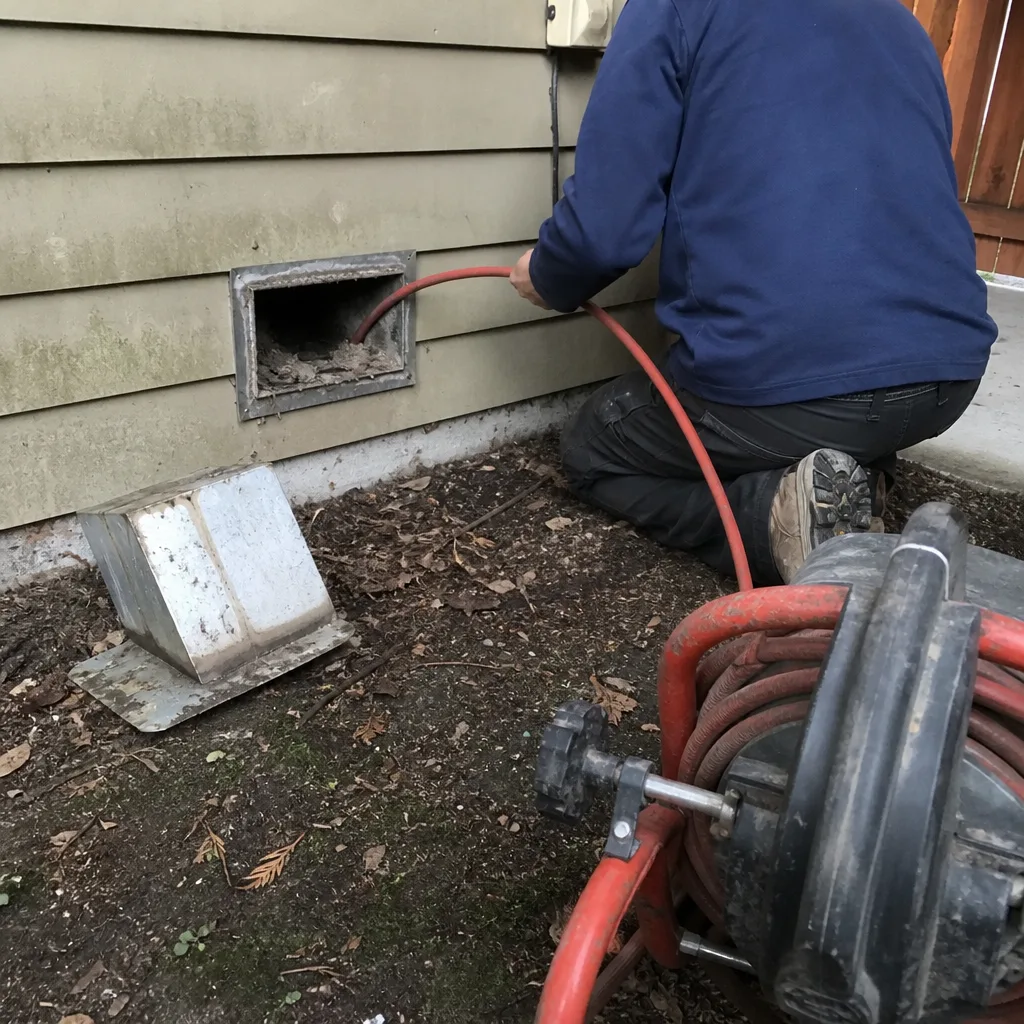 Before
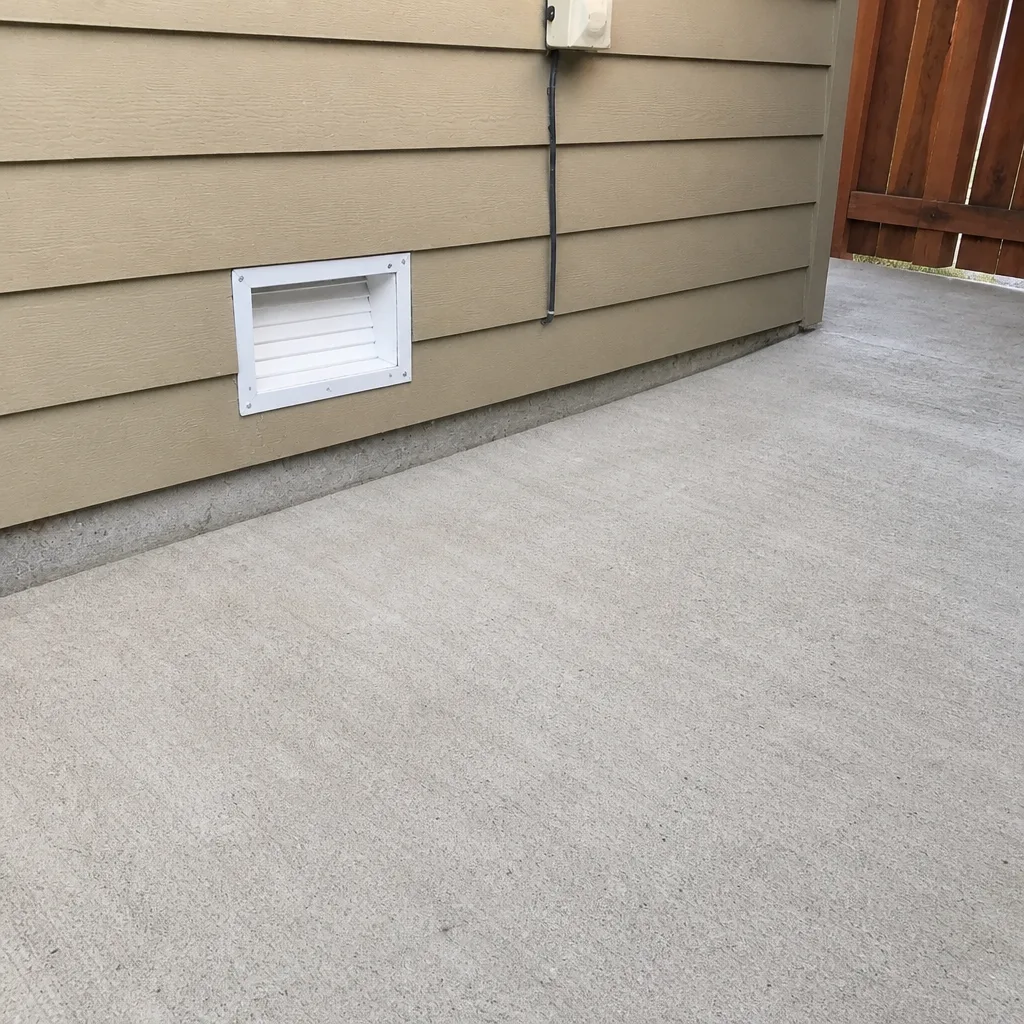 After
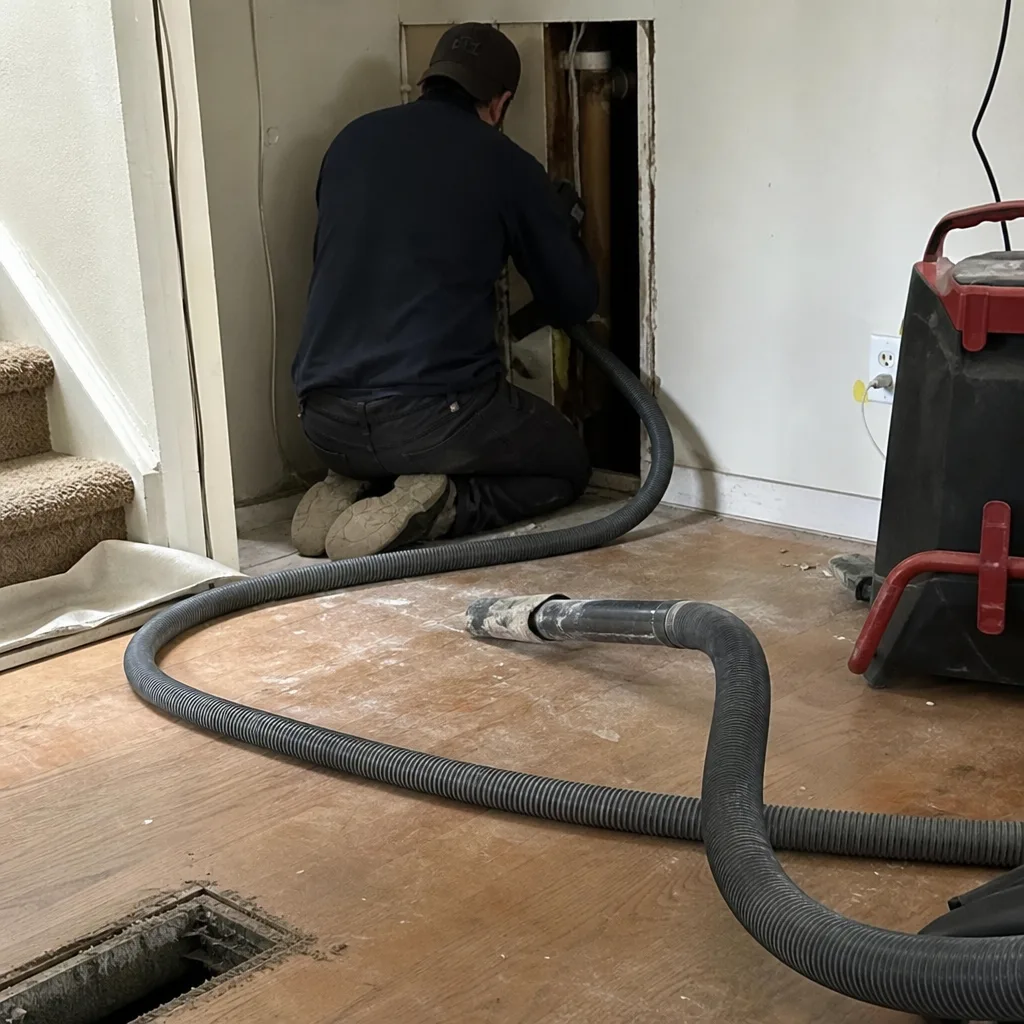 Before
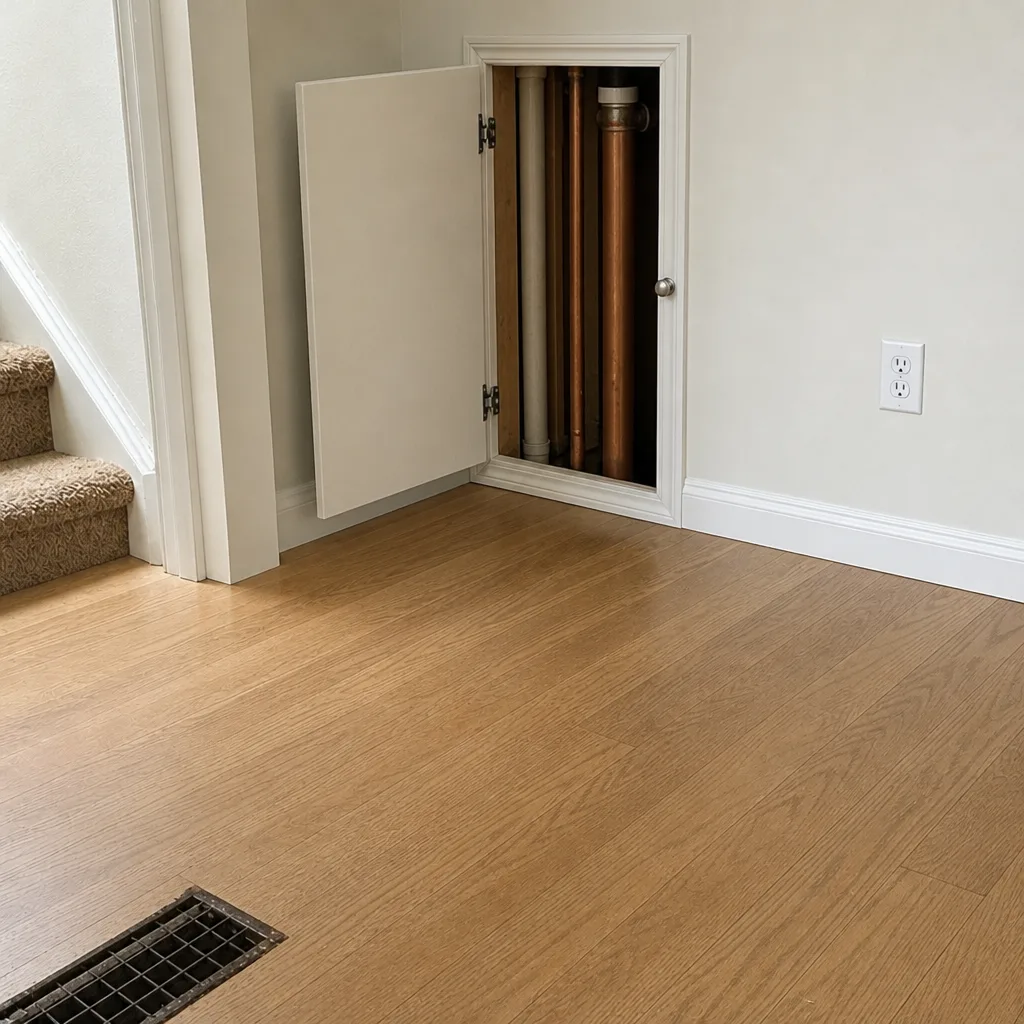 After
 Before
 After
When to Call a Professional
Call a professional when your duct system is pulling in visible debris, when you’re noticing uneven airflow between rooms, or when a filter change doesn’t improve what you’re seeing at the registers. Call when you’re buying or selling an Issaquah home and the ductwork has no documentation trail, or when a contractor has quoted “sealing” without explaining what’s involved and whether a permit applies. Call after a remodel that moved ducts or touched the air handler. And call if you’re a property manager who needs a full-system assessment with documentation you can hand to an owner or a tenant.
Issaquah Air Duct Cleaning Pros offers free estimates in Issaquah. Call (877) 792-6439. We answer 24/7. Fast dispatch from 7am to 7pm, Sunday through Friday.
Frequently Asked Questions
No. Standard duct cleaning in Issaquah does not require a permit. Cleaning removes material from the existing system, and that doesn’t modify the mechanical infrastructure. Duct sealing, duct replacement, and any work on the air handler are different and typically require a mechanical permit. Call (877) 792-6439 for a free estimate.
Duct sealing generally requires a mechanical permit when the work involves opening the duct system, applying mastic or tape across multiple joints, or coating duct interiors with spray-on sealants. The permit reflects that the system has been physically modified and inspected. A small spot repair may not require a permit, but the contractor should document it. Call us to walk through your specific job; estimates are free.
A duct repair contractor should hold an active mechanical contractor registration with the Washington State Department of Labor & Industries, plus liability insurance and workers’ compensation. Cleaning-only work does not require a mechanical license, but any work that changes the duct system or touches the air handler does. Verify the registration online before you sign, and check that the number appears on the written estimate. Call (877) 792-6439 if you want help understanding the scope.
Unpermitted duct work usually surfaces during a home sale or an insurance claim, when a buyer’s inspector or an adjuster asks for the permit record and there isn’t one. The resolution is typically retroactive permitting: the work gets opened up, inspected, corrected if necessary, and signed off. It’s doable, but it’s slower and costlier than pulling the permit at the time. Call us for a free assessment if you’ve inherited a home with undocumented duct modifications.
Air duct cleaning in Issaquah is priced per job by written estimate, not per vent. The written estimate sets the final price, and one flat price per system is standard for a professional job. Be wary of teaser coupon figures: the low-upfront-then-big-invoice pattern is exactly why we quote the whole system up front. Call (877) 792-6439 for an exact quote; estimates are free.
You get before-and-after photos of your own ducts, a written invoice with the products used, and any permit records from mechanical work. Photos of your actual system, not stock images, are the simplest way to verify a job happened as described. We document every visit. Call (877) 792-6439 to schedule a free estimate.
The Bottom Line
Cleaning your ducts in Issaquah doesn’t require a permit. Sealing, replacing, or modifying the system usually does, and understanding that line protects you at resale, with your insurer, and from silent problems downstream. Ask about the permit before work, get one flat price per system in writing, verify the contractor’s license class, and keep every document the job produces. If you want a straight answer on your own home’s ductwork without a sales pitch, call Issaquah Air Duct Cleaning Pros at (877) 792-6439 for a free estimate. We answer 24/7. Fast dispatch from 7am to 7pm, Sunday through Friday.
Written by the team at Issaquah Air Duct Cleaning Pros.