
Last updated November 25, 2026
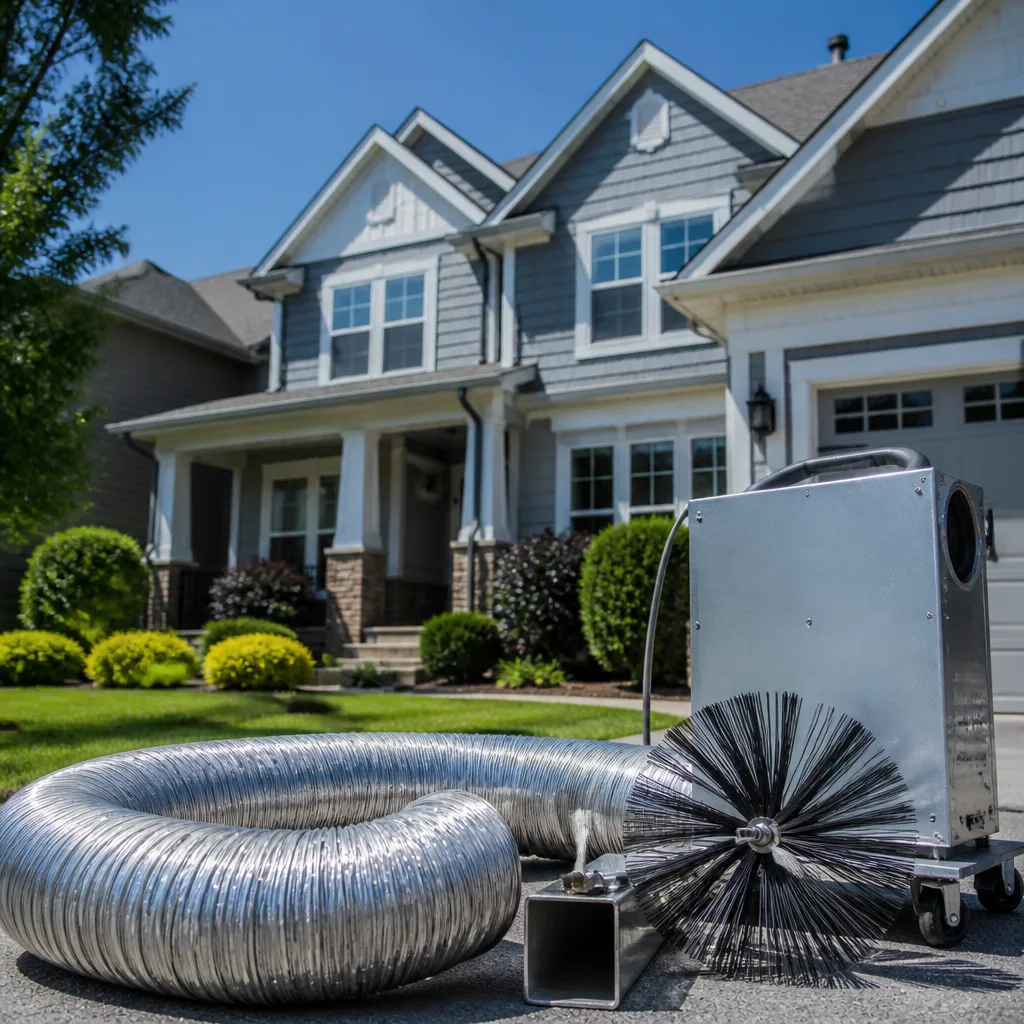 Whole-home duct cleaning
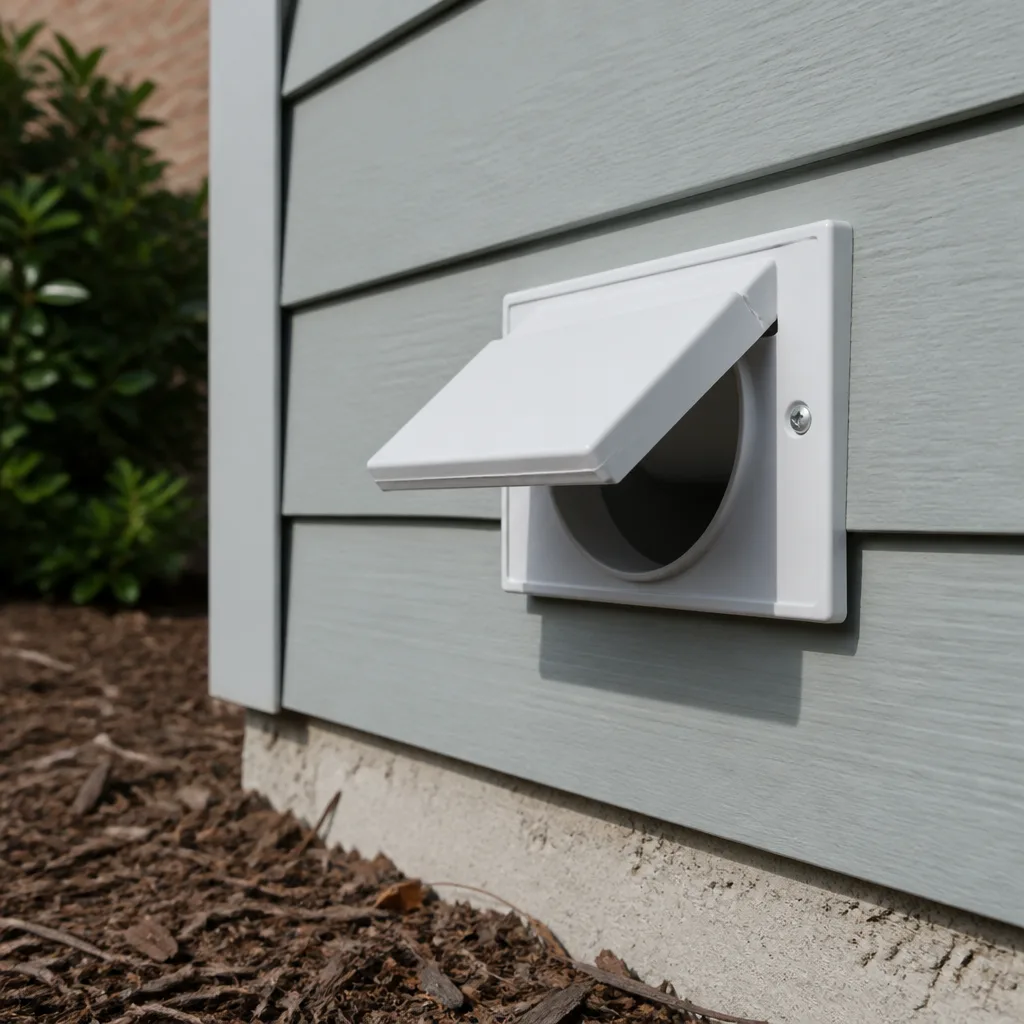 Dryer vent cleaning
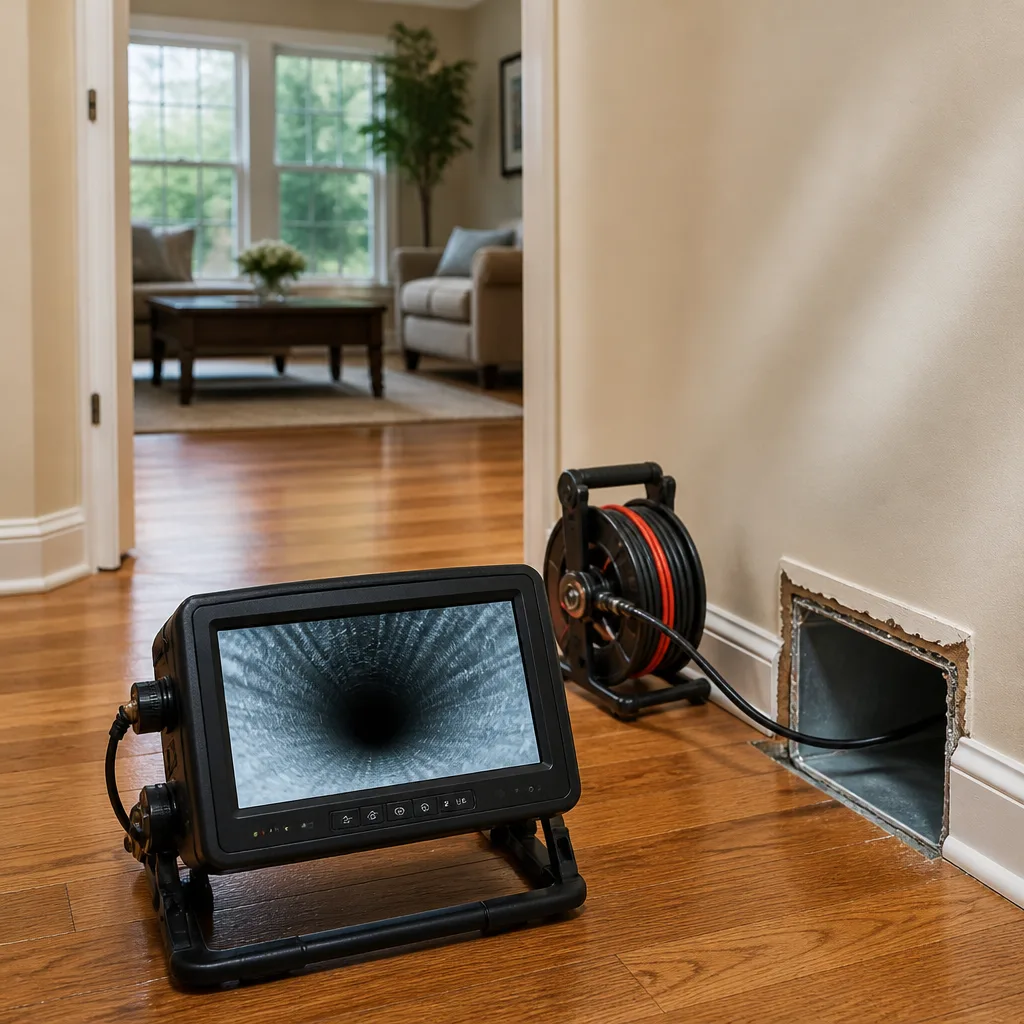 Camera inspection
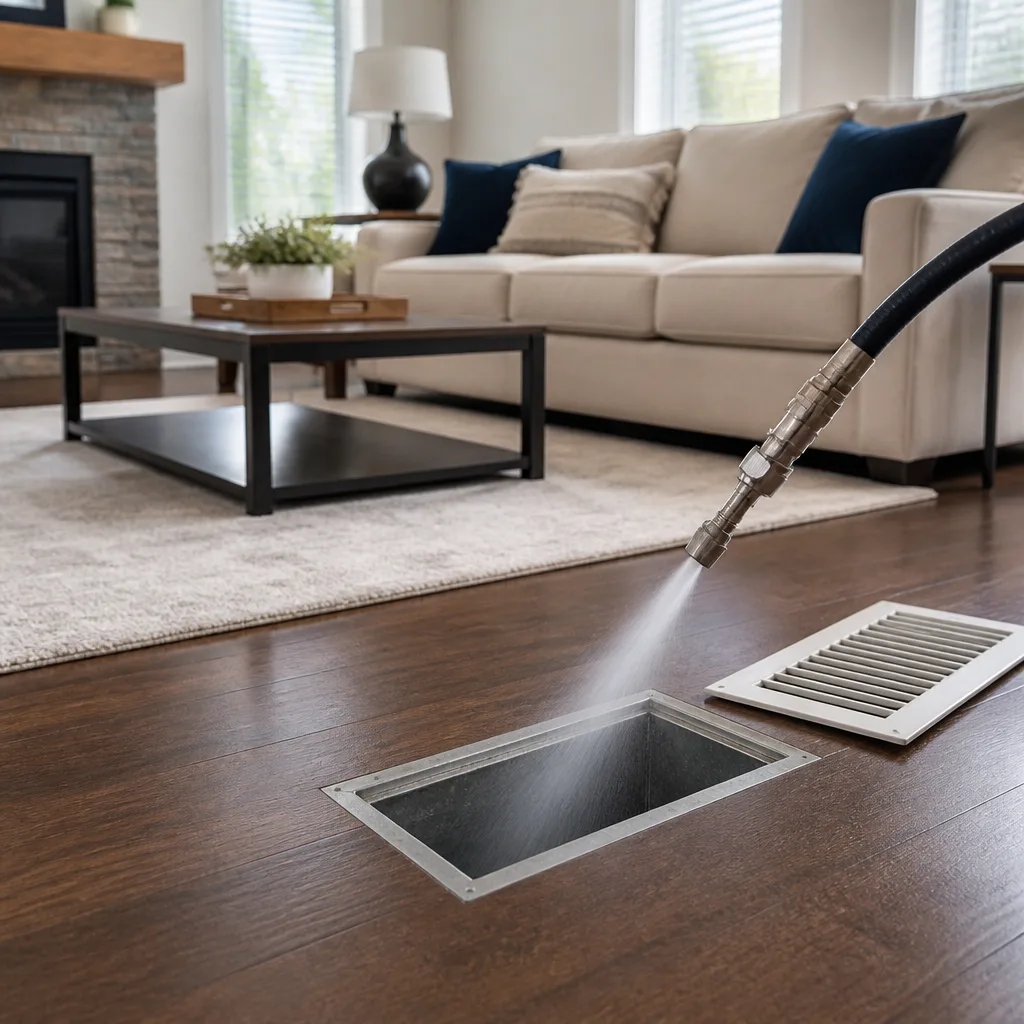 Sanitizing & deodorizing
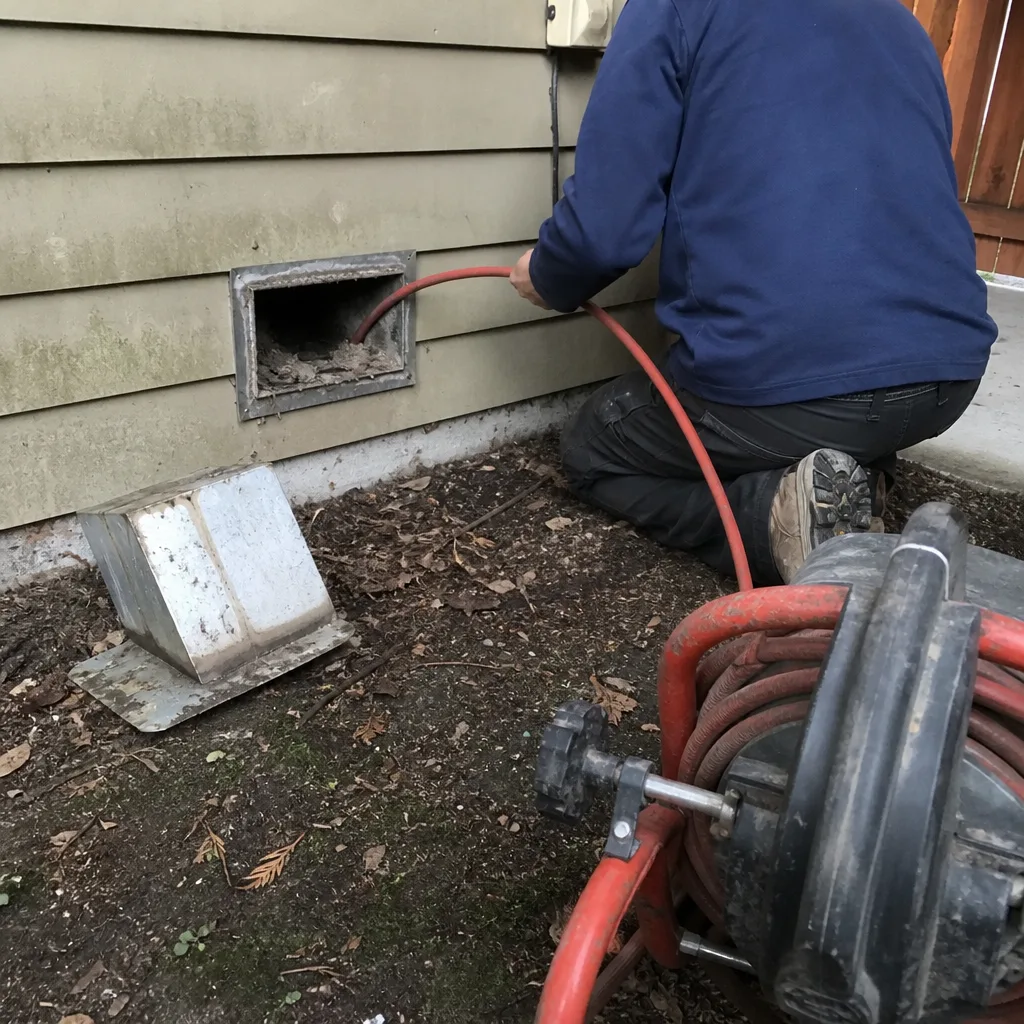
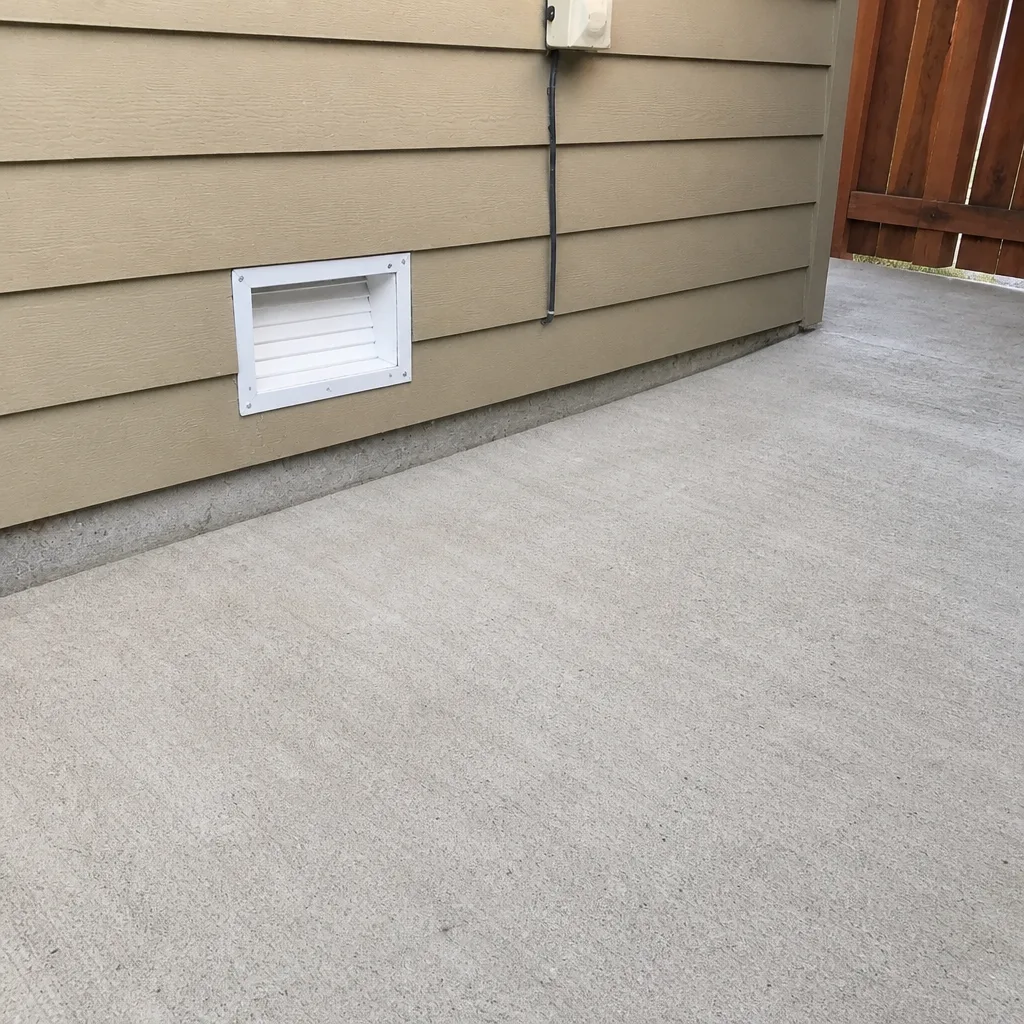
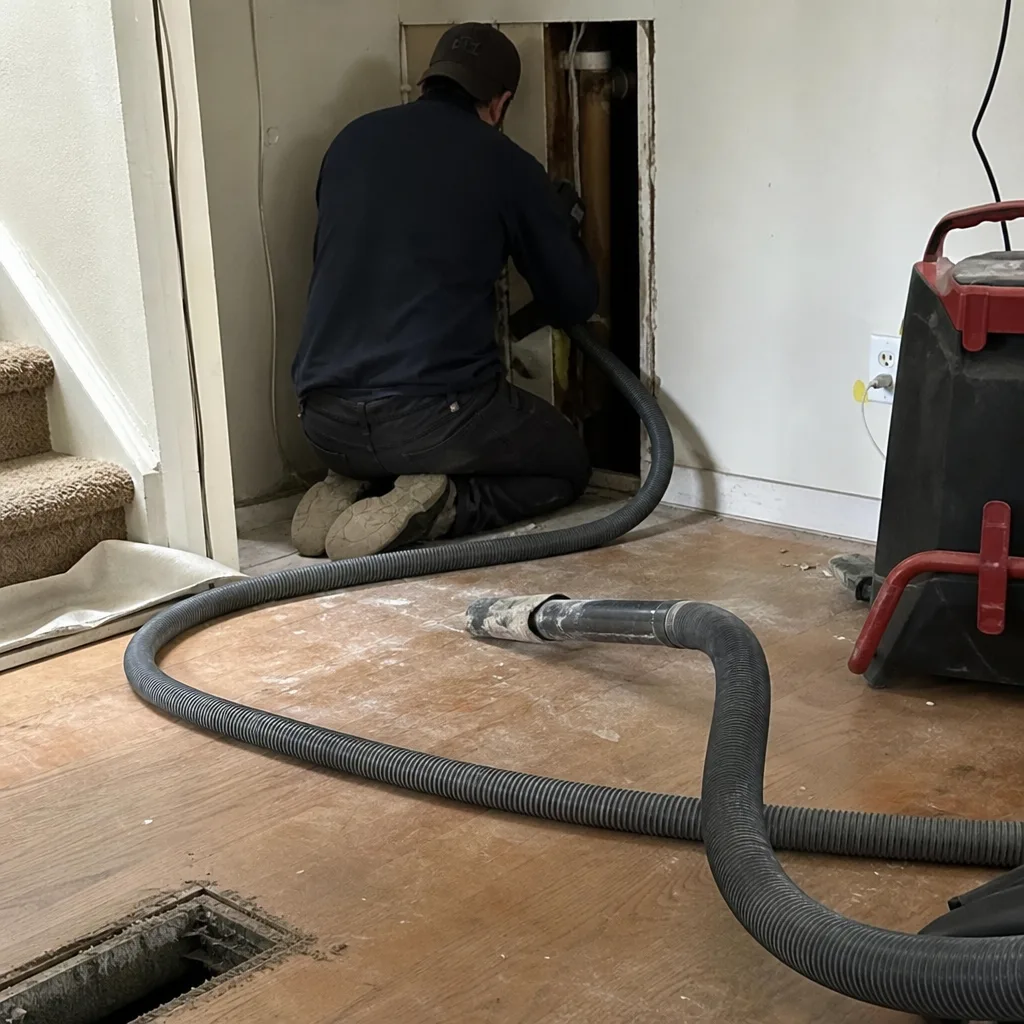
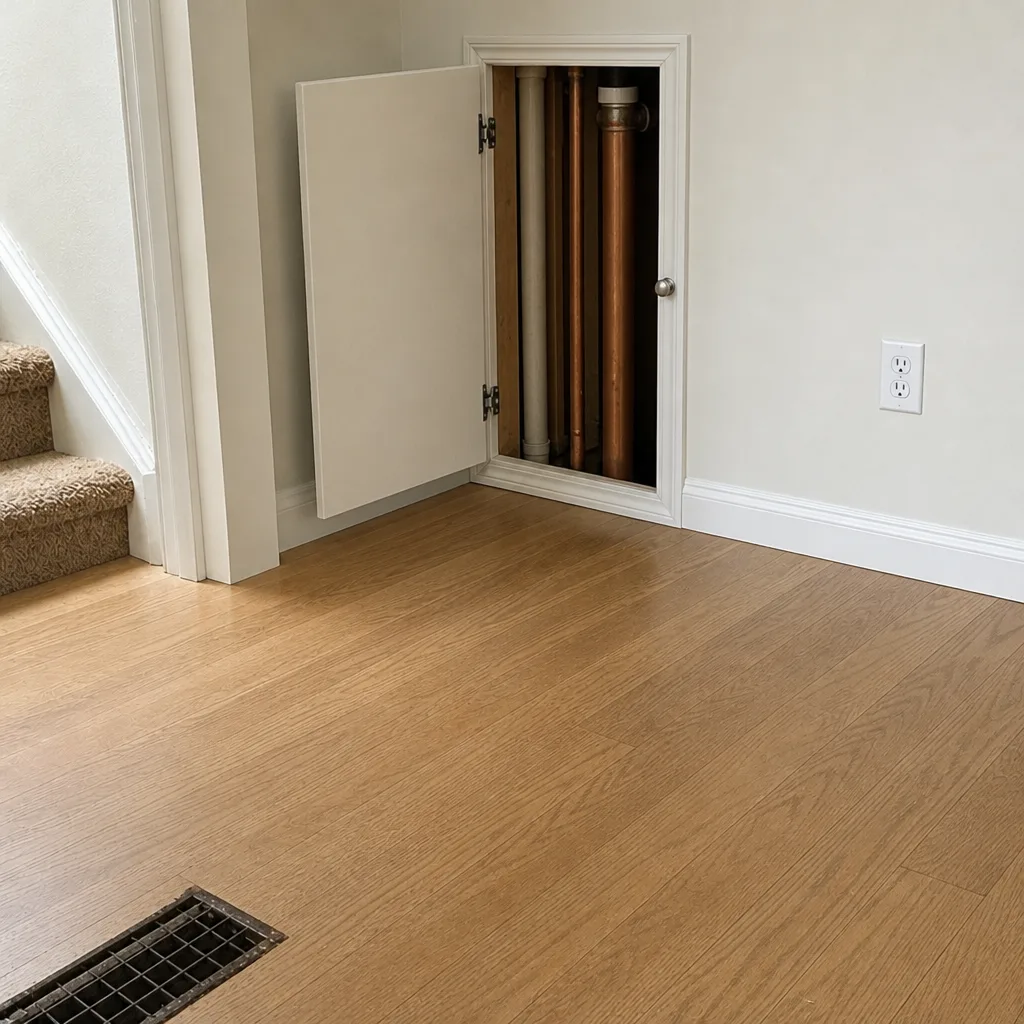
Whole-system duct and dryer vent check with before-and-after photos - you see exactly what came out of your vents
That "$99 whole-house special" is a bait ad - the real number appears once they are in your hallway, or the "clean" is a shop-vac at the register. We photograph the inside of your ducts before and after instead.
Choosing the Right Air Duct Cleaning Brand: A Buyer’s Guide for Issaquah
Most people shopping for duct cleaning in Issaquah start with a search for “best air duct cleaning company Issaquah WA” and end up comparing logos. That’s the wrong variable. A familiar brand on the side of a van tells you almost nothing about the machine that will actually be parked in your driveway, and several of the most-searched duct cleaning names near Issaquah run portable vacuum setups rated well below the airflow that effective cleaning requires. The brand got big through marketing, not because it bought better equipment. In this guide we’ll show you how to evaluate any duct cleaning company on the things that determine outcomes: equipment specs, square footage of scope, certification, and how the crew proves the work was done. You’ll leave with specific questions to ask before you book.
Quick Answer
The right air duct cleaning brand is the one that can prove three things before you hire it: it runs industrial contact-cleaning equipment (a brush or air-whipping system paired with a HEPA vacuum capable of real airflow), it cleans the whole system rather than just the registers, and it can repair and seal what it finds without handing you off to a different contractor. In Issaquah, that combination matters more than a franchise name, because much of the housing stock here sits against the forested foothills of the Issaquah Alps, where pollen, cedar debris, and damp winter air push more particulate into return ducts than a flat suburban grid does. Ask for equipment specs, scope, and verification, and the brand question answers itself.
Styles & brands we work with
- Whole-home duct cleaning
- Dryer vent cleaning
- Camera inspection
- Sanitizing & deodorizing
Table of Contents
- Why Equipment Specs Matter More Than Brand Names
- The Three Spec Questions That Reveal Real Capability
- Franchise vs. Local Independent in Issaquah
- NADCA Certification: Company Level vs. Technician Level
- How to Read Issaquah Reviews Without Getting Fooled
- The Five Scope Questions That Separate Full-System Operators
- Why Cleaning Alone Often Isn’t the Whole Job
- Common Mistakes to Avoid
- When to Call a Professional
Why Equipment Specs Matter More Than Brand Names
Duct cleaning is a mechanical process, not a branding exercise. What removes debris from a duct is a combination of agitation (a brush, cable whip, or compressed-air tool breaking material loose from the walls) and negative pressure (a vacuum strong enough to pull that material out of the system and into a collection unit rather than pushing it into your living room). Both halves matter. A brush with a weak vacuum just redistributes dust. A strong vacuum with no agitation leaves the settled film on the duct walls.
The industry benchmark here is airflow velocity inside the duct, not the raw CFM number on a spec sheet. The NADCA standard for effective cleaning is equipment capable of maintaining roughly 150 feet per minute of airspeed at the point of cleaning, plus enough static pressure to overcome a long duct run. Portable units built on shop-vac architecture top out well below that on a real residential system. Truck-mounted and high-capacity industrial units are built to sustain it.
This is where brands diverge sharply. National franchise systems often standardize on portable equipment because it’s cheaper to buy, easier to ship to new franchisees, and fits in a van. An independent operator competing on capability invests differently. At Issaquah Air Duct Cleaning Pros we run Rotobrush contact-cleaning systems paired with Nikro industrial HEPA vacuums, and for containment-grade work we bring Abatement Technologies negative-air equipment. That last piece is more common in mold and remediation work than in everyday residential duct cleaning, and it changes what’s possible on a job with heavy contamination.
Brand of machine alone won’t guarantee a good result, but it tells you what the company was willing to spend. A duct cleaning business that shows up with a wet/dry shop vac and a hose, regardless of the logo on the shirt, is not set up to clean a whole-house system in a house with 12 or more supply runs. When you’re comparing quotes on air duct cleaning, the equipment question is the first filter, not the last.
The Three Spec Questions That Reveal Real Capability
You don’t need to be a mechanical contractor to vet a duct cleaning company. You need to ask three questions and listen for specifics. Vague answers are your signal.
- “What’s the CFM rating on your vacuum, and how do you maintain pressure at the far end of the run?” A serious operator knows the number and can explain how they switch to smaller nozzles or move the vacuum connection to maintain airflow as the run gets longer. An operator who says “it’s commercial grade” without a number is telling you they don’t think about it.
- “What’s your contact method: brush, air whip, or both?” The answer should include a rotating brush system, typically cable-driven like a Rotobrush setup, and a hand tool for branches. Air-only “blow-out” cleaning loosens dust but doesn’t scrub the wall film. Brush-only misses the gasketed joints and the plenum.
- “Can you show me the HEPA filtration stage on your vacuum?” The vacuum has to be HEPA-filtered, not just high-CFM, or you’re exhausting fine particulate back into the room you’re standing in. Industrial HEPA units like the Nikro filter stack are built for this. A portable with a paper bag filter is not.
Ask these three before you ever discuss price. The clarity of the answer tells you whether you’re talking to an operator who thinks about airflow or a salesperson reading from a brochure. In our experience, most Issaquah homeowners who end up dissatisfied with a prior cleaning hired a company that never got asked a single spec question.
Franchise vs. Local Independent in Issaquah
The franchise-versus-independent question is more nuanced than either side wants you to believe. National brands standardize a few things genuinely well:
- Training curriculum. A franchise system has a formal onboarding program and consistent procedures across locations.
- Insurance and bonding infrastructure. Corporate-level requirements usually mean the franchisee carries baseline coverage, though you should still confirm it applies to the work on your home.
- Recourse. If a franchise location handles a job badly, you have a corporate complaint channel beyond the local owner.
What franchises often compromise on:
- Equipment investment. The franchisee is responsible for the van and machine, and the model rewards low capital outlay. Portable systems dominate for that reason.
- Upsell pressure. Many franchise systems build revenue targets around add-on services sold at the door, which pushes the technician toward the sale rather than the diagnosis.
- Scope limits. Franchises often clean ducts and stop. Repair, sealing, and dryer vent work may be referred out, which means three contractors on one job.
An independent operator in Issaquah is usually betting the business on the equipment and the completed job, not on a franchise playbook. In a market where a lot of homes sit on hillside lots and sloped ceilings with long, awkward duct runs, that difference shows up in the work. An independent with a truck-mount system and the ability to repair and seal what they find is often the stronger hire. A poorly equipped independent is not. The label doesn’t carry the day; the spec sheet does.
NADCA Certification: Company Level vs. Technician Level
NADCA, the National Air Duct Cleaners Association, sets the ACR (Assessment, Cleaning, and Restoration) standard the industry generally works from. Certification comes in two forms, and buyers frequently confuse them.
- Company certification (ACAC or NADCA member in good standing). The company has met association membership requirements and committed to the standard of care. This is the entity-level check.
- Technician certification (ASCS or equivalent). The individual crew members have passed a knowledge exam covering equipment, method, and safety. This is the person-level check.
Both matter, because a certified company can still send uncertified technicians to your house. When you call an Issaquah duct cleaning company, ask two questions: “Are you a NADCA member or ACAC-certified at the company level?” and “Will the technicians who arrive be individually certified?” The best operators answer both without hesitation. If the answer is “our techs are trained to our standards,” that’s a company training program, not an external certification, and you should know that before you book.
Our technicians have up to 8 years of experience, and equipment training is continuous because the machines evolve. What we tell buyers is this: certification is a floor, not a ceiling. It tells you the crew knows what they’re doing on paper. The rest of the vetting is what you’ll do in person and in the questions above.
How to Read Issaquah Reviews Without Getting Fooled
Review volume is the least useful metric in this trade. A company can buy 300 reviews, or acquire them through aggressive post-visit prompts, without the underlying work being any good. What you’re looking for is signal, not volume.
Read for specificity. A legitimate review names the machine, the technician’s thoroughness on a particular problem, the before-and-after photos, or a specific repair. It describes a job that other people recognize as a duct cleaning job. An untrustworthy batch tends to be heavy on sentiment and light on detail: “Great service, very professional, would recommend!” repeated across dozens of entries in a tight window is a volume campaign, not a work record.
Watch for the pattern of complaints, not the star average. In the Issaquah market, the most common legitimate complaint about duct cleaning is the bait-and-switch: a teaser quote, then a much larger invoice after the technician arrives and “finds” contamination that requires an upcharge. If you see a cluster of those complaints on any company’s profile, that’s the pattern to heed, regardless of how many five-star reviews sit above it.
Look for photos. Genuine before-and-after shots are the easiest single verification of a real job: visibly dirty duct interior on one side, clean on the other, with the same branch visible. A company that never posts its own photos is telling you something. Ask for photos from a recent Issaquah job when you call; any operator who does real work has them.
The Five Scope Questions That Separate Full-System Operators
This is where the biggest distance opens up between duct cleaning companies. Register-cleaning services call themselves duct cleaners. A full-system operator has to answer five questions with a yes.
- “Will you clean the returns and the air handler plenum, or just the supply registers?” The dirtiest sections of most residential systems are the returns and the transition into the air handler. A company that skips them cleans the least important part of the system.
- “Do you clean the blower wheel, evaporator coil, and condensate pan as part of the same job?” That’s the HVAC side, and it’s often where the mold and debris concentration actually lives. Cleaning ducts but leaving a fouled coil is a partial job. This is where HVAC cleaning belongs in the scope conversation.
- “Can you clear the dryer vent on the same visit?” Dryer vent cleaning is a fire-safety service, not a convenience add-on. Lint accumulation in the vent run is the standard warning case, and having the same crew handle it in one engagement saves a second appointment. See dryer vent cleaning for what a proper clearing involves.
- “If you find disconnected joints or crushed duct runs, can you repair and seal them?” This is the material difference. Most companies recommend a repair contractor and hand you a business card. A full-system operator repairs what they find. “We repair what we find” is not a slogan; it’s a scope commitment, and it’s why the professional on the job has to be capable of both cleaning and remediation.
- “Do you offer post-cleaning air quality upgrades: filtration, purification, sanitizing?” Cleaning removes what’s there today. Filtration and sanitizing address what accumulates between cleanings. A company carrying product lines like Honeywell and Aprilaire can sell and install those in the same appointment.
If you’re vetting a company and can’t get clean yes answers to all five, you’re looking at a register-cleaning service with a good website. That’s not the same service, and it costs the same on paper.
Why Cleaning Alone Often Isn’t the Whole Job
The most common reason a duct system performs badly isn’t that it’s dirty. It’s that it’s leaking, disconnected, or crushed somewhere between the air handler and the register. A cleaning crew that doesn’t inspect for these conditions – and can’t repair them – can leave you with ducts that are clean and still losing conditioned air into a crawl space or attic.
In our experience working Issaquah homes, the failures cluster in predictable spots. Flex duct that’s pulled too tight across a joist sags and collapses. Joints that were taped with standard cloth tape have dried and failed after enough summer-to-winter cycles. Runs that were upsized during a remodel pull apart at the boot. None of these are visible from the register, and none of them show up in a cleaning invoice that just says “cleaned 12 vents.”
If you’re looking for a brand to hire, this is the single most useful question to ask: “After cleaning, will you walk me through what you found?” A crew that photographs disconnected joints and shows you the repair estimate before touching anything is a full-system operator. A crew that cleans, hands you a receipt, and vanishes is a service transaction. The full-system operator can repair, seal, and certify the result on the same visit, which means one call covers the whole system rather than two or three contractors chasing each other’s work.
Common Mistakes to Avoid
- Hiring on price alone. A cheap quote on a whole-house system usually reflects portable equipment and a partial scope. The work takes longer with better gear, and the pricing reflects it. Two sentences of suspicion are worth it here.
- Not asking about dryer vent cleaning in the same call. Lint fires are the safety case that matters most in residential service, and if the crew is already in the house, having it done in the same visit costs less than a return trip. Skipping it is a quiet mistake.
- Assuming the register view tells you the whole system. The most contaminated sections are usually out of sight: the return trunk, the plenum, the coil. Issaquah homes with long runs to far bedrooms often have the worst dust in the section you never see.
- Never asking for photos. Before-and-after photos are the simplest verification of a real job. If a company won’t provide them from a recent Issaquah job, that’s a signal about the record they keep, not just the marketing they do.
- Booking a company that can’t repair. If the crew finds a disconnected joint and hands you a referral card, you’re now managing two contractors. The whole point of hiring a full-system operator is one accountable crew.
- Trusting review volume over review pattern. A cluster of complaints about surprise invoices tells you more than hundreds of short five-star reviews. Read the complaints, look at the dates, and check whether they describe the same behavior recurring.
- Skipping the HVAC side of the system. A fouled evaporator coil and a clean duct system still leave you with restricted airflow and poor air quality. In Issaquah, where pollen and forest debris load up filters quickly through the spring, this is a bigger factor than most buyers assume.
When to Call a Professional
Call a professional for duct cleaning when you can’t remember the last time the system was cleaned and you’ve noticed one of the signals: visible dust puffing from a register when the heat comes on, a musty smell that gets stronger when the HVAC runs, a recent remodel that generated fine dust, or water intrusion that reached the ductwork. Call for safety reasons too. If your dryer takes noticeably longer to dry a load, or you notice lint behind the dryer, that’s a dryer vent issue that deserves a professional look. If anyone in the household has persistent respiratory symptoms that track with the HVAC running, a full-system inspection is a reasonable first step after checking with your doctor. Property managers with turnover schedules should also call before each new tenant.
The right call is the one that gets you an honest scope and a written estimate. Issaquah Air Duct Cleaning Pros offers free estimates in Issaquah – call (877) 792-6439. We answer 24/7. Fast dispatch from 7am to 7pm, Sunday through Friday. One flat price per system agreed before work starts, before-and-after photos of your own ducts, and the repair and sealing capability to finish the job on the same visit.
See the difference
 Before
 After
 Before
 After
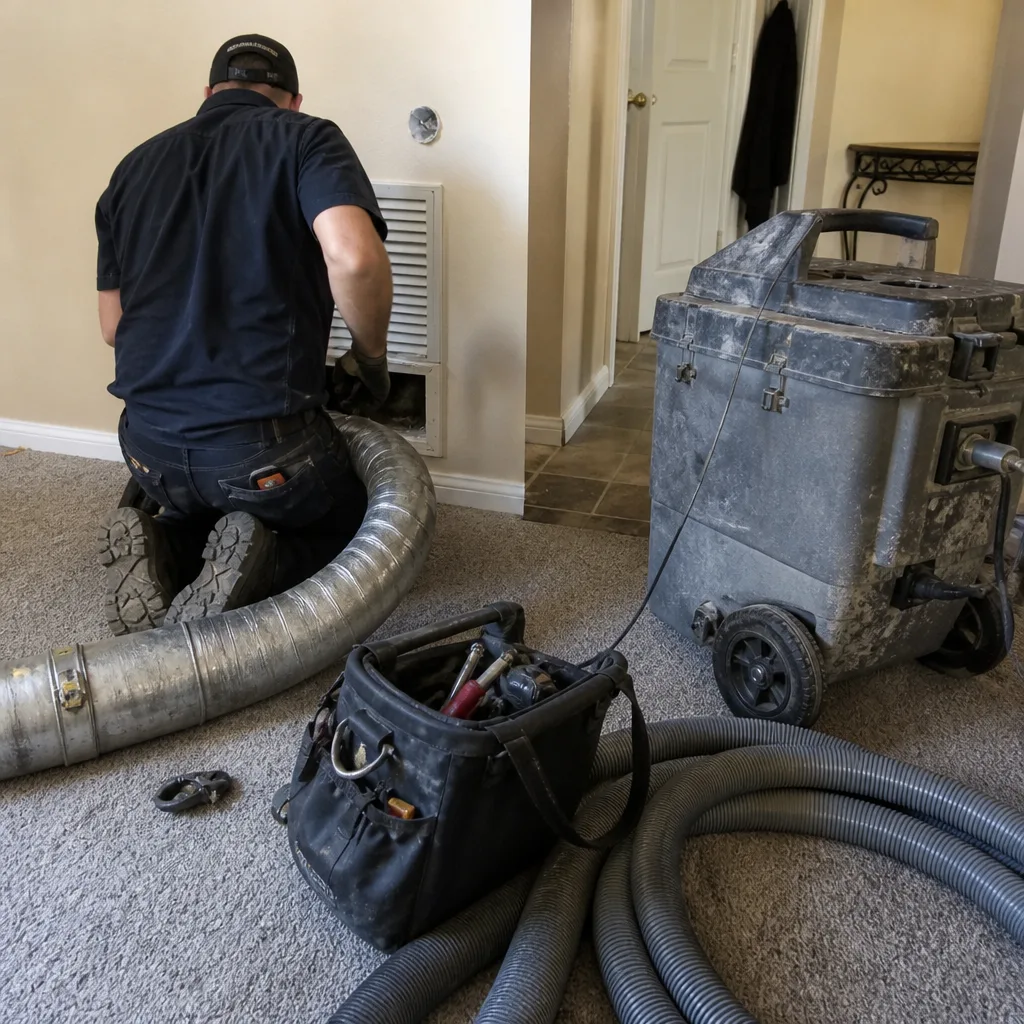 Before
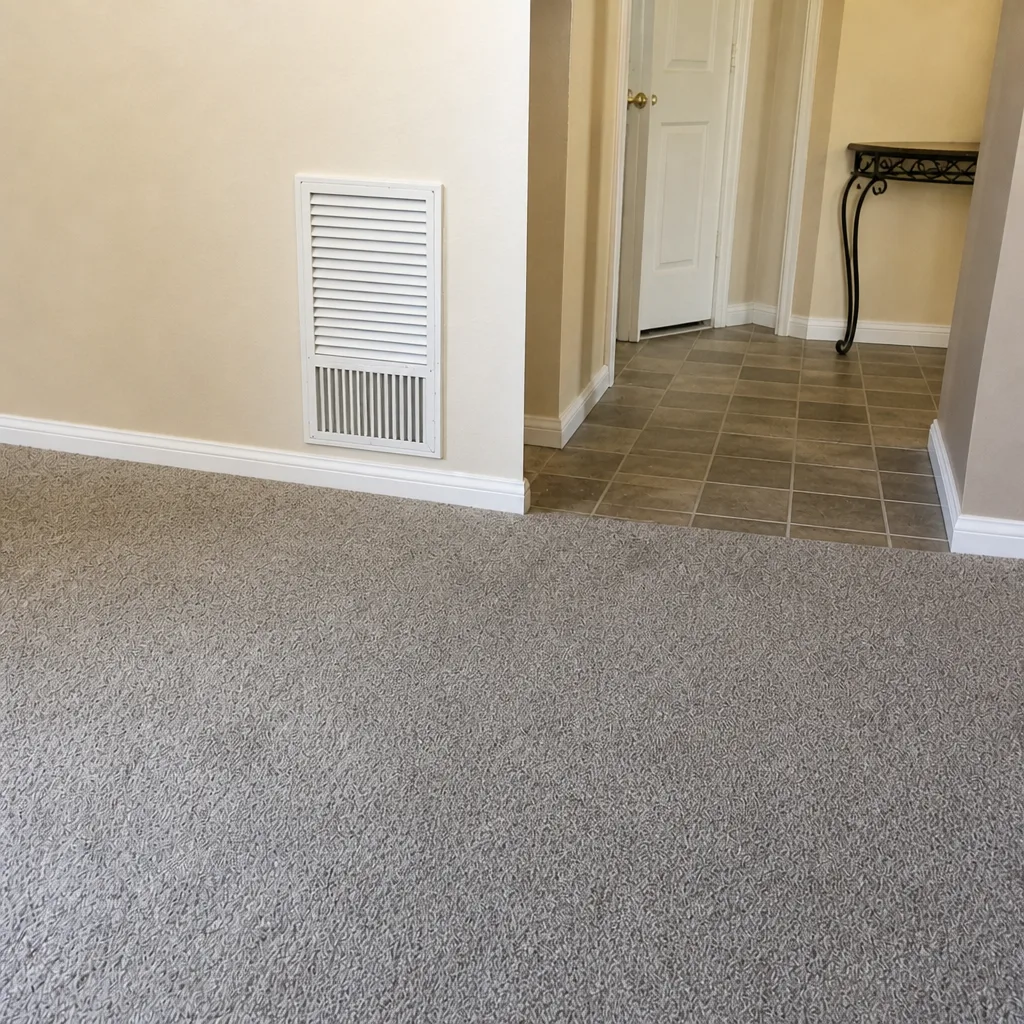 After
Frequently Asked Questions
The best company is the one that runs industrial contact-cleaning equipment, cleans the full system (returns, plenum, and air handler), is certified at both company and technician level, and can repair and seal what it finds. Brand name is a weaker signal than those specifics. Ask any company you’re considering the three spec questions and five scope questions before you book, and compare the answers, not the logos. Call (877) 792-6439 to get a free written estimate from a crew that can answer all eight.
Cost depends on the size of the system, the number of runs, and whether repair, sealing, or sanitizing is part of the job. Pricing is always set per job by a written estimate after a look at your actual system, so there’s no honest way to quote a number sight unseen. The bigger cost question is the one nobody asks: what does a partial job cost you later when the disconnected joint behind the wall is still leaking? Call (877) 792-6439 for an exact quote – estimates are free.
Cheap quotes usually reflect portable, low-CFM equipment and a partial scope: supply registers cleaned, returns and plenum skipped, no repair capability. The crew moves faster because the machine does less. That’s the honest answer, and it’s why the same square-foot house can get a wide range of quotes. The other pattern to watch for is a teaser price that becomes a much larger invoice once the technician is on site. Ask for the scope in writing before work starts. Call (877) 792-6439 for a flat quote per system, agreed before the work begins.
Ask for before-and-after photos of your own ducts, taken from inside the run at the same spot on both sides of the cleaning. A serious crew takes those photos as part of the job and will walk you through them before leaving. Beyond photos, ask for a written summary of what was found, including any disconnected joints, crushed runs, or contamination that required repair. If a company doesn’t provide photos or a written scope, they didn’t record the job. Call (877) 792-6439 and we’ll send you photos from a recent Issaquah job so you can see what the standard looks like.
Most homes do well on a cleaning interval of three to five years, and the interval shortens if you have pets, recent remodeling, allergy or respiratory concerns in the household, or a return duct that pulls from a dusty area like a garage or crawl space. Issaquah’s spring pollen load and the forest debris from the surrounding foothills push a lot of particulate into the return side, which can shorten the real-world interval for homes near the tree line. Call (877) 792-6439 to talk through your specific setup and get a reasonable interval rather than a generic schedule.
No, if you hire a full-system operator. Cleaning, dryer vent clearing, duct repair and sealing, and sanitizing can all be handled in one visit by the same crew, which means one accountable contractor instead of three. That’s the practical reason to hire on scope rather than on single-service pricing. Call (877) 792-6439 and we’ll confirm what your system needs in a single estimate.
Three questions: the CFM rating and pressure plan for long runs, the contact method (rotating brush and hand tools versus air-only), and the HEPA filtration stage on the vacuum. Rotobrush contact-cleaning systems paired with Nikro industrial HEPA vacuums are the standard for this work, and for heavy contamination, Abatement Technologies negative-air equipment is the containment-grade option. Post-cleaning air quality upgrades from Honeywell and Aprilaire can be installed in the same visit if your system calls for them. Call (877) 792-6439 to book an assessment.
The Bottom Line
Brand name is the weakest signal in the duct cleaning market. The variables that determine your result are equipment (industrial contact cleaning with a real HEPA vacuum, and containment-grade negative-air capability for tough jobs), scope (returns, plenum, HVAC side, and dryer vent cleaned in the same engagement), certification (company level and technician level), repair capability (the crew that can seal a disconnected joint rather than hand you a referral card), and verifiable proof (before-and-after photos of your own ducts and a written scope). Get clean yes answers on those five and the brand question stops being a question. Get vague answers on any of them and walk away.
That’s the standard we hold ourselves to at Issaquah Air Duct Cleaning Pros: industrial-grade equipment, residential-level care. Clean ducts start to finish. Air you can verify. One call covers the whole system, from air duct cleaning through HVAC cleaning, dryer vent cleaning, repair and sealing, and Guardsman-backed sanitizing.
Call (877) 792-6439 for a free estimate. We answer 24/7. Fast dispatch from 7am to 7pm, Sunday through Friday. One flat price per system agreed before work starts, before-and-after photos of your own ducts, and a scope that covers the whole system in a single visit.
Written by the team at Issaquah Air Duct Cleaning Pros.