
Last updated November 25, 2026
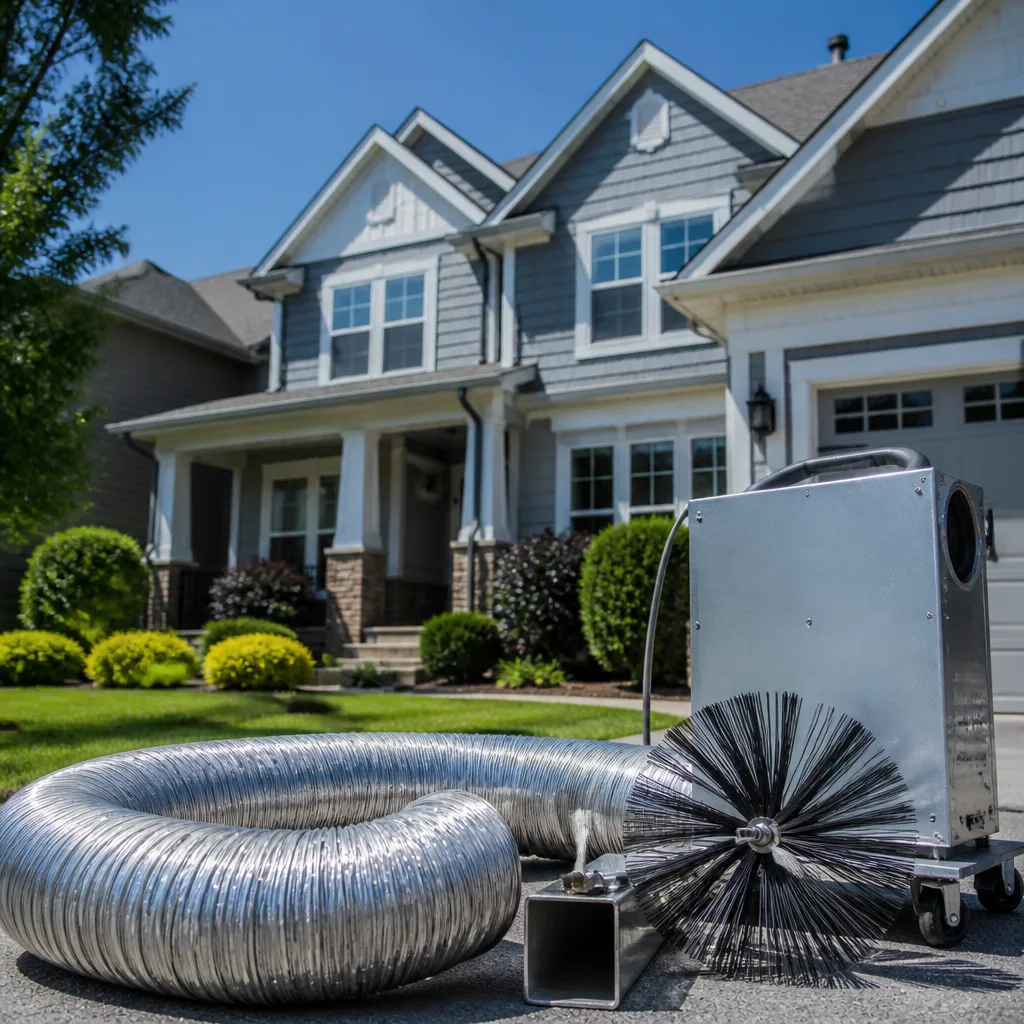 Whole-home duct cleaning
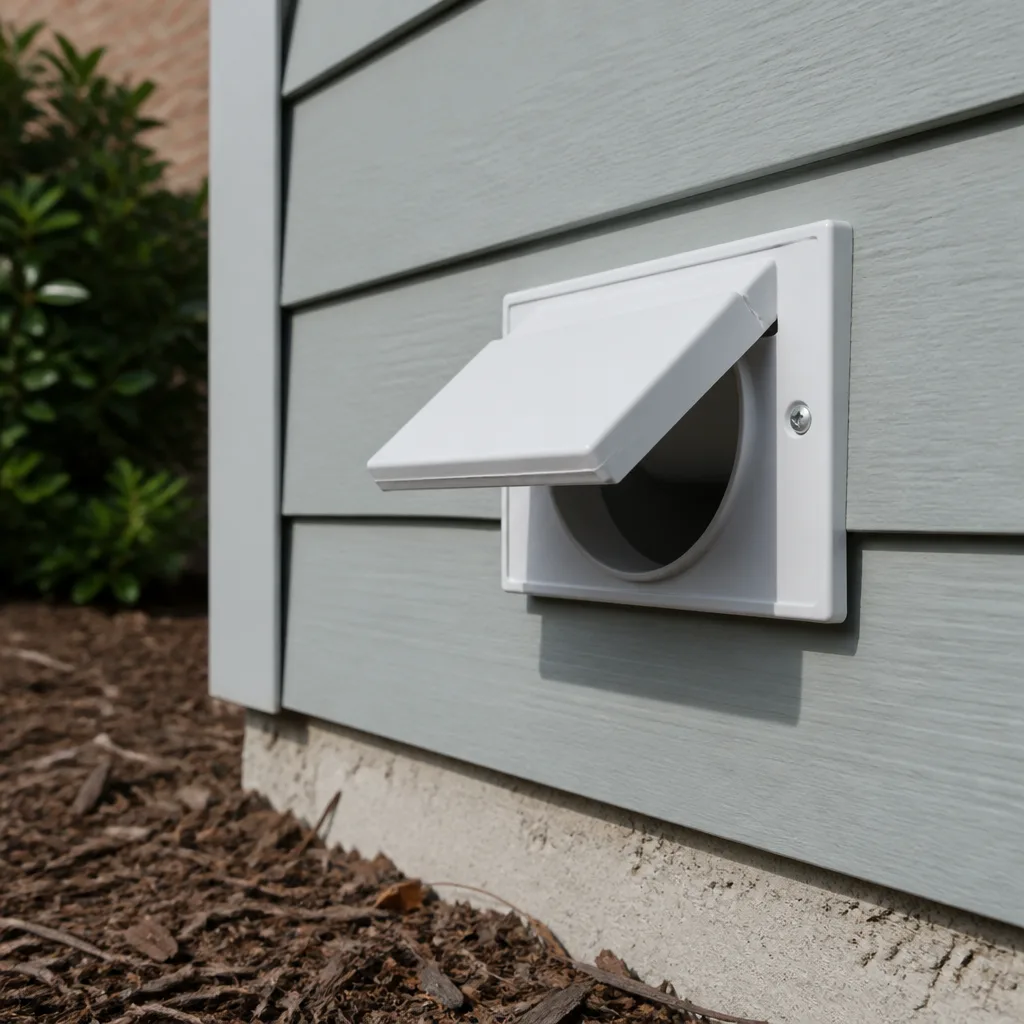 Dryer vent cleaning
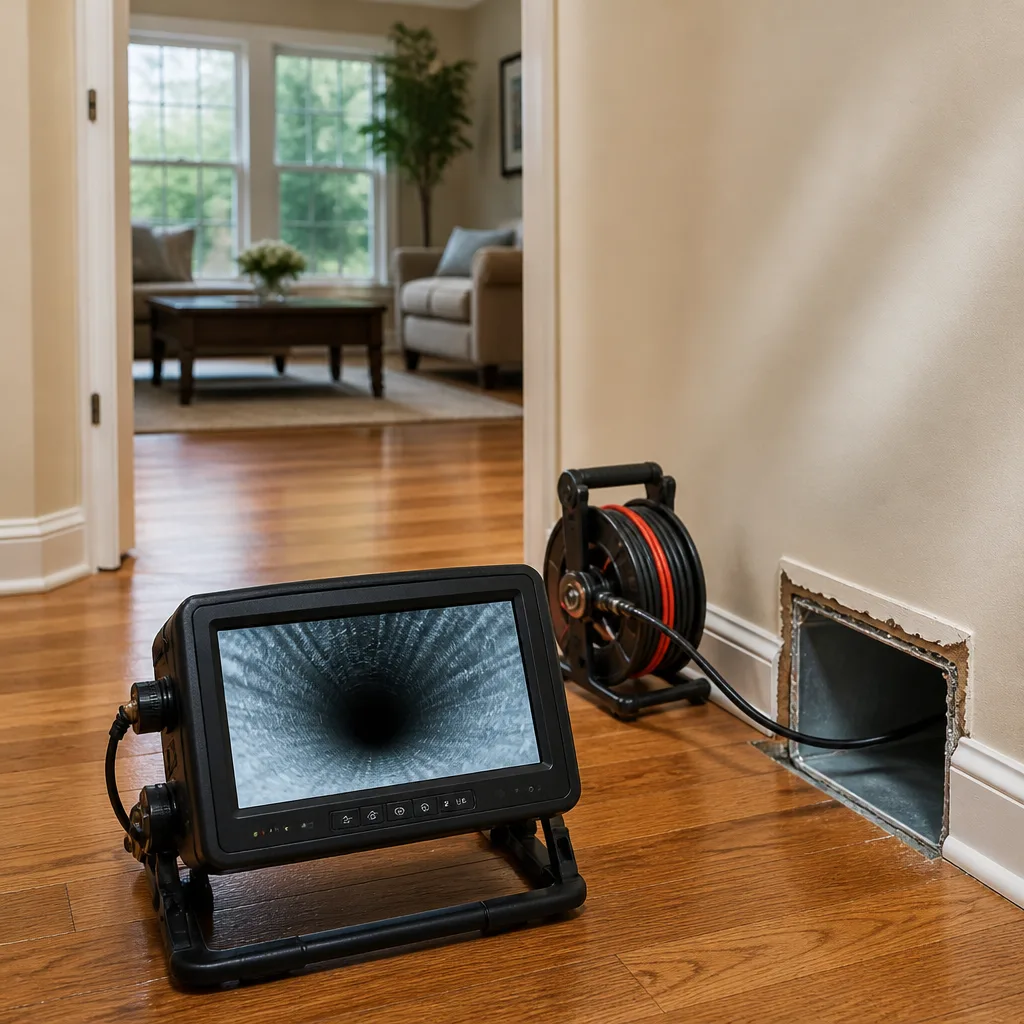 Camera inspection
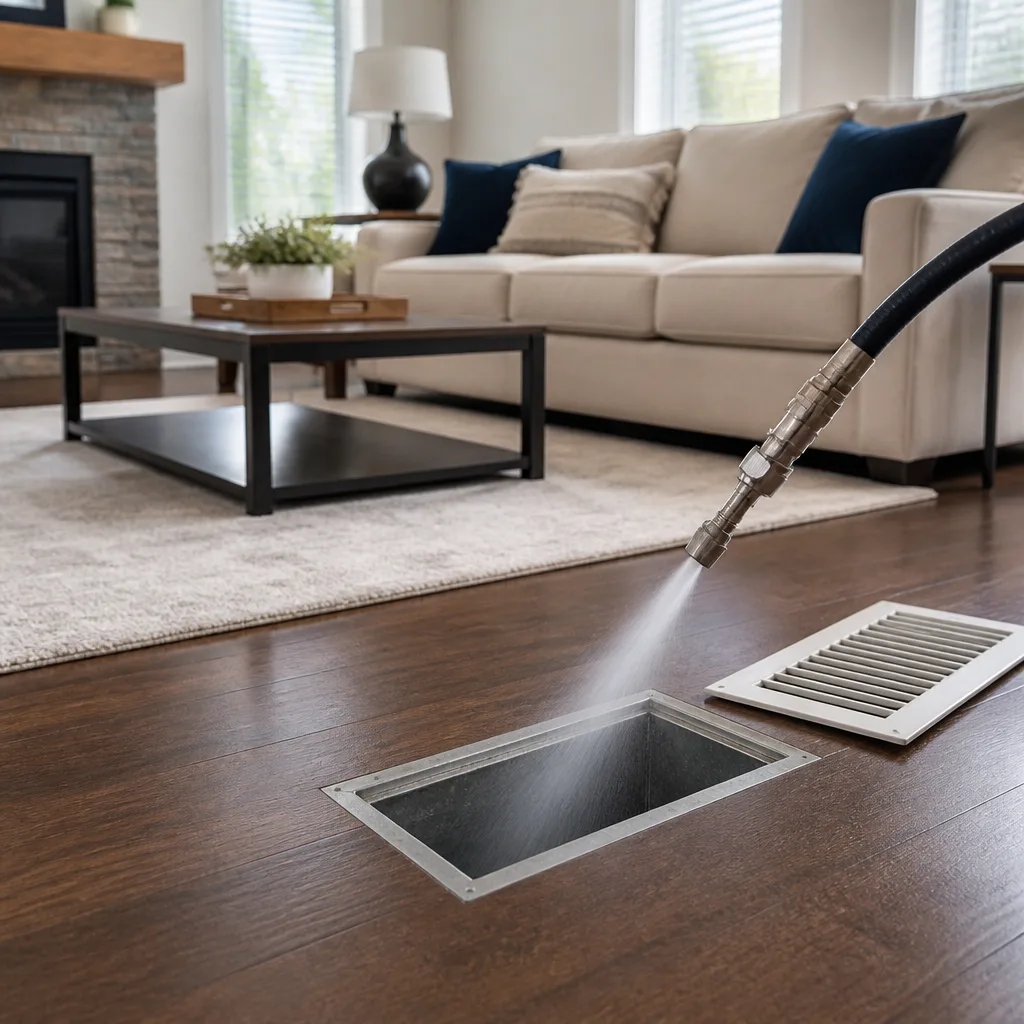 Sanitizing & deodorizing
Whole-system duct and dryer vent check with before-and-after photos - you see exactly what came out of your vents
That "$99 whole-house special" is a bait ad - the real number appears once they are in your hallway, or the "clean" is a shop-vac at the register. We photograph the inside of your ducts before and after instead.
How to Hire an Air Duct Cleaning Contractor in Issaquah: A Step-by-Step Guide
The $99 duct cleaning coupon that lands in Issaquah-area mailers is a number designed to get a phone call, not a number designed to reflect the work. What it rarely describes is what the contractor will actually do when they arrive, what equipment they’ll bring, or how they’ll confirm the job was done right. The real question for a homeowner isn’t how to find the cheapest contractor. It’s how to tell which contractors are even equipped to clean your specific system without damaging it. A poorly run job can tear flex duct, push debris deeper into the supply plenum, or leave microbial growth untouched behind a register face that looks spotless. This guide walks through the screening process we’d want our own family to use in Issaquah.
| Screening Question | Why It Matters | Acceptable Answer |
|---|---|---|
| Equipment type | Determines whether ducts get cleaned or just “looked at” | Rotobrush contact cleaning or comparable brush system plus industrial HEPA vacuum |
| Negative pressure | Keeps loosened debris from entering living space | Abatement Technologies negative-air containment or equivalent |
| Camera inspection | Verifies condition before and after | In-line duct camera in the estimate |
| Scope document | Prevents change-order surprises | Written list of every component included |
| Washington registration | Legal standing to work in the state | Verifiable registration with L&I |
| Insurance | Protects you if a duct or HVAC component is damaged | Liability coverage confirmed in writing |
Quick Answer
Hiring an air duct cleaning contractor in Issaquah comes down to verifying three things before you book: the equipment they actually run (commercial contact-cleaning brushes and industrial HEPA vacuum, not a shop-vac), a binding written scope that names every system component being cleaned, and a Washington State contractor registration with insurance you’ve confirmed independently. Price comes fourth. Any contractor who can’t answer equipment and scope questions in specifics on the phone isn’t equipped to clean a whole system.
Styles & brands we work with
- Whole-home duct cleaning
- Dryer vent cleaning
- Camera inspection
- Sanitizing & deodorizing
Table of Contents
- The five equipment questions to ask before you book
- What NADCA membership actually verifies, and what it doesn’t
- How to get a binding scope-of-work quote
- Red flags during the in-home estimate
- Washington State contractor licensing and insurance minimums
- Why Issaquah’s climate and housing stock matter
- Flex duct hazards and how to avoid them
- When cleaning isn’t enough: repair, sealing, and sanitizing
The five equipment questions to ask before you book
Equipment is the single best predictor of how a duct cleaning job will actually go, and it’s also the easiest thing to verify. Ask these five questions on the initial phone call. A contractor who can answer them by name and model has done the work before. A contractor who deflects with “we use the best equipment” hasn’t.
- Is this a truck-mounted system or a portable unit, and what’s the CFM rating on the vacuum? Truck-mounted units pull more airflow and typically handle larger homes. Portable industrial units (we run Nikro HEPA vacuums) work fine when the CFM is right for the system size. What you’re screening against is a consumer-grade shop vacuum wearing a contractor’s logo. That’s the giveaway for a bait-and-switch outfit.
- What kind of brush system do you use? Rotobrush contact-cleaning systems are the standard NADCA-trained contractors rely on because the brush physically contacts duct walls while the vacuum pulls debris into the filter. A vacuum-only system with no rotating contact tool leaves bonded dust in place, especially on galvanized metal runs where dust bakes onto the surface.
- Can you run active negative pressure during the job? This is the single most important containment question. If loosened debris isn’t held under pressure, some of it goes into your living space. We use Abatement Technologies negative-air equipment because that’s the standard in remediation settings, not just residential duct cleaning.
- Can you camera-inspect the ducts before and after? An in-line camera shows the condition of the duct interior, finds crushed or disconnected flex runs behind drywall, and documents the result. Ask whether the camera is included in the estimate or an add-on. Either answer is fine if it’s stated up front. What matters is that they can do it at all.
- What filtration class is the HEPA unit? This pairs with question three. True HEPA filtration captures particles at the size that matters, which is what lets the contractor work inside your home without dusting your furniture. Ask them to name the unit. We name ours because we know exactly what they do.
The point of these questions isn’t to make the phone call awkward. It’s to establish in about four minutes whether you’re talking to a contractor with a real system or a sales operation with a coupon. A good contractor will enjoy the questions.
What NADCA membership actually verifies, and what it doesn’t
NADCA (the National Air Duct Cleaners Association) publishes the industry’s accepted cleaning standard, and NADCA-certified professionals complete training on the process. That matters. But membership and certification cover different things, and homeowners often assume they cover more than they do.
What NADCA membership signals:
- Access to and familiarity with the accepted industry standard for duct cleaning process
- A commitment to ongoing industry education and training
- Alignment with a trade body that publishes technical guidance on equipment, containment, and verification
What NADCA membership does not verify:
- That the contractor is registered with Washington State (that’s a separate L&I lookup)
- That they carry sufficient liability insurance for duct work near HVAC equipment
- That they use the specific equipment the job requires (some members run smaller operations with portable units only)
- That they’ll camera-inspect your specific system, which is a system-by-system decision
So NADCA is one signal among several, and a good one. What it isn’t is a substitute for the equipment questions above or for the licensing lookup below. When we evaluate what a real credential tells us about a duct cleaning job in Issaquah, we want to see the credential aligned with the equipment. A NADCA-trained technician with a Rotobrush system and a Nikro vacuum is a technician who can actually complete the job. A NADCA certificate with a shop-vac is still a shop-vac.
How to get a binding scope-of-work quote
A binding scope-of-work quote is a written list that names every system component being cleaned and priced, so what you agreed to on paper is what happens on the day. Most duct cleaning complaints stem from a scope that was vague in the first place. “Duct cleaning” in a mailer could mean anything from vacuuming the main trunk to a full system clean, and the coupon price is usually built around the most minimal version.
Ask for these items in writing:
- Number and location of supply registers included. Some quotes cap at a certain count and charge to go beyond it. Get the actual number in writing.
- Return registers and main return duct. Often excluded. Ask directly.
- Supply trunk lines and branch runs. Should be named, not folded into “the system.”
- Air handler and blower compartment. If the contractor is cleaning the ducts, the blower is being pulled through with the same air. Cleaning the air handler at the same time is the only way to keep it clean afterward.
- Dryer vent. A separate duct that accumulates lint and is worth bundling into the same visit. If you haven’t had it cleared recently, ask for it in the quote.
- Post-cleaning verification. Camera documentation, or before-and-after photos of the ducts themselves.
- Any additional work the technician might recommend. Repair, sealing, sanitizing, or filtration upgrades should be estimated separately or noted as “to be quoted on inspection,” never rolled into the base price without consent.
A proper quote reflects the system, not a coupon. When the scope is written this tightly, the price stabilizes, because the contractor isn’t guessing and neither are you. If a contractor can’t or won’t send a scope like this before showing up, that’s your answer.
Red flags during the in-home estimate
The in-home estimate is where most bait-and-switch operations show their hand. What’s happening on the day is that the technician is doing a diagnostic, sizing your system, and setting the scope. What should not be happening is the pressure sale.
- Immediate “your ductwork has been compromised” claims before any inspection has been done. If a technician walks in and tells you the system is full of mold before opening the air handler panel or running the camera, you’re being pitched. Mold requires moisture to grow, and the diagnostic is what establishes whether it’s there.
- A base price that expands on-site into a much larger invoice. If the coupon price only covered “up to N registers,” and your system has more, the invoice jumps. This should have been in the written scope. An honest quote lists the cap and the price above it up front.
- No containment equipment on the truck. If the visit is scheduled but the truck has no negative-air unit visible, ask where it is. A duct cleaning operation without containment will redistribute dust through the house.
- A rotary brush system you can’t identify. Ask what it is. Consumer-grade brush attachments exist. The professional standard is a named contact-cleaning system, not an unlabeled generic attachment.
- Sanitizing sold as a mandatory stage. Sanitizing is worth considering after a full mechanical clean, and we use Guardsman-backed treatments because the product is traceable. It should never be presented as a required part of every job. Ask what’s being applied, by name.
- A duct repair quote from the same visit, without a written scope for the repair. Repairs (reconnecting a crushed flex run, sealing a joint, replacing a damaged trunk section) get their own estimate, in writing. When repair and cleaning are the same conversation and there’s no scope, you’re being asked to trust an in-person estimate rather than a priced document.
Washington State contractor licensing and insurance minimums
Confirming both of these before the job starts takes about ten minutes and protects you if anything goes wrong.
- Look up the contractor’s registration with Washington State’s Department of Labor & Industries. The L&I contractor lookup is public. Search by the business name or registration number, and confirm the registration is currently active. If the registration is suspended or expired, the contractor isn’t legally authorized to do work in the state.
- Confirm liability insurance. Ask for a certificate of insurance, and then call the insurer on the certificate to confirm the policy is active and the coverage is what’s stated. Duct cleaning is done near electrical components (the air handler, the blower motor, the control board) and can involve cuts into drywall or sealed ducting. Liability insurance is what stands between you and a repair bill if something goes wrong.
- Confirm the contractor is bonded if the state requires it. Ask the contractor to state the bond amount and the bonding company. In practice, most duct-cleaning complaints we’ve seen trace back to an unregistered, unbonded operator who disappears after the invoice clears.
- Ask how they handle the flex duct specifically. Flex duct is common in Issaquah homes, and it’s fragile. A contractor with the wrong brush size, an aggressive pressure setting, or no camera verification can crush or tear it during cleaning. A registered, insured contractor has a process for this. An unregistered one doesn’t.
Registration and insurance are the minimum bar. They don’t tell you the contractor is good, but they tell you the contractor is legal and that you have recourse if the job goes sideways.
Why Issaquah’s climate and housing stock matter to the job
Issaquah sits in a climate that matters to duct cleaning outcomes in ways the generic national duct cleaning pitch ignores entirely. The Pacific Northwest pattern is wet winters and comparatively dry summers, and the shoulder seasons (October-November and March-April) are when the heating system runs most and the outdoor humidity is high. That’s the season when duct interiors and condensate-adjacent components are most likely to see moisture, and moisture is what turns dust into microbial growth. A cleaning done in July and a cleaning done in late October are not the same job. The latter is more likely to reveal a moisture problem that needs to be verified, not just cleaned past.
Issaquah’s housing variety adds a second layer of specificity. The older neighborhoods around downtown and along the Issaquah-Hobart corridor contain a mix of homes with original rigid metal ducting and homes that have been retrofitted with flex duct during HVAC upgrades over the years. Newer construction on the Issaquah Highlands and Talus slopes tends to have tighter building envelopes and more efficient HVAC systems, which means the ductwork is doing a larger share of the air quality work whether you notice it or not. In a tighter house, a dirty duct system has less outdoor air to dilute it.
That’s part of why we treat Issaquah jobs as whole-system jobs. Cleaning the supply registers without cleaning the return trunk and air handler in a tight-building-envelope home doesn’t solve the air quality problem. It changes the register face and leaves the supply air unchanged.
Flex duct hazards and how to avoid them
Flex duct is the most common place a duct cleaning job goes wrong, and it’s worth an entire section because it’s invisible until it’s expensive. Flex duct is corrugated (either wire-reinforced plastic or a non-metallic liner inside an insulated sleeve), and the interior surface is more delicate than galvanized metal. Get the brush pressure wrong, or run an oversized brush through a run with a tight radius, and you can tear the inner liner or kink the duct. If the liner is torn, the system loses airflow and picks up insulation fibers from the outer sleeve.
Three things protect a flex duct system during cleaning:
- Camera inspection first. The technician should know what the duct run looks like before pushing a brush through it, especially on retrofit systems where the routing is uncertain.
- Brush size matched to the duct, not the vacuum. A high-CFM vacuum on an oversized brush is how liners tear. Brush sizing is a system-by-system decision.
- Contact cleaning done right. Rotobrush systems are built for this because the brush family is sized and the speed is controllable. A generic rotary attachment on a shop-vac is not.
If your Issaquah home was built before the mid-2000s, there’s a reasonable chance some portion of the system has been retrofitted with flex. Ask the contractor directly whether they camera-inspect before cleaning. If they can’t, they can’t protect the duct.
When cleaning isn’t enough: repair, sealing, and sanitizing
Cleaning is only one part of the duct system lifecycle, and it’s the one everyone talks about because it’s the one with the coupon. The three other stages matter just as much, and a good contractor should be able to move through them in the same engagement instead of sending you to a separate specialist.
- Repair. Disconnected flex runs, crushed sections behind drywall, rusted-through metal at condensate touch points, and failed mastic at trunk joints. If the system isn’t sealed, the cleaning is partial because air is leaking out of the system instead of moving through the ducts.
- Sealing. Joints and seams that aren’t sealed let conditioned air escape and unconditioned air (from attics, crawlspaces, or wall cavities) enter. Sealing after cleaning captures the work you just paid for.
- Sanitizing. After mechanical cleaning, an antimicrobial treatment addresses what cleaning can reach but not remove entirely. We use Guardsman-backed treatments because the product is traceable, and we recommend them when the camera or inspection findings justify it, not as a blanket upsell.
- Filtration and purification upgrades. If the goal is measurable air quality rather than just a clean duct, the filtration at the air handler is the next lever. We install Honeywell and Aprilaire product lines because those are the recognized brands with documented performance specs, and they can be quoted alongside the cleaning.
The point is that one call should cover the whole system: cleaning, dryer vent cleaning, repair and sealing, sanitizing, and any filtration upgrades. When those are split across three contractors, the handoffs are where the work drops.
Common Mistakes to Avoid
- Booking on price before booking on equipment. A $99 coupon is a marketing number, not a service price. The equipment, containment, and scope determine the real cost, and those are the numbers to compare.
- Skipping the Washington L&I lookup. It takes two minutes and it’s the only way to know the contractor is legally working in the state. If the registration is suspended, the work isn’t covered.
- Accepting a verbal scope when a written one was offered. Duct cleaning is a written-scope trade. If you can’t point to the document naming what’s included, you can’t dispute a change-order surprise, and there will be one.
- Assuming “NADCA” on the website means the job will be done right. Membership is a good signal. It doesn’t verify equipment, insurance, or whether the contractor will camera-inspect your specific flex duct runs.
- Agreeing to sanitizing before confirming the product. A generic “sanitizing spray” is worth less than a named, traceable treatment. Ask what’s being applied, by brand, and why it’s being recommended.
- Not asking about the air handler. Cleaning the supply ducts and skipping the air handler and blower compartment leaves the source of the airflow uncleaned. The air handler should be on the written scope.
- Treating Issaquah like a one-size-fits-all market. The older housing stock near downtown and the newer construction in Issaquah Highlands are different systems with different risks. A contractor who quotes the same scope for both hasn’t inspected either.
See the difference
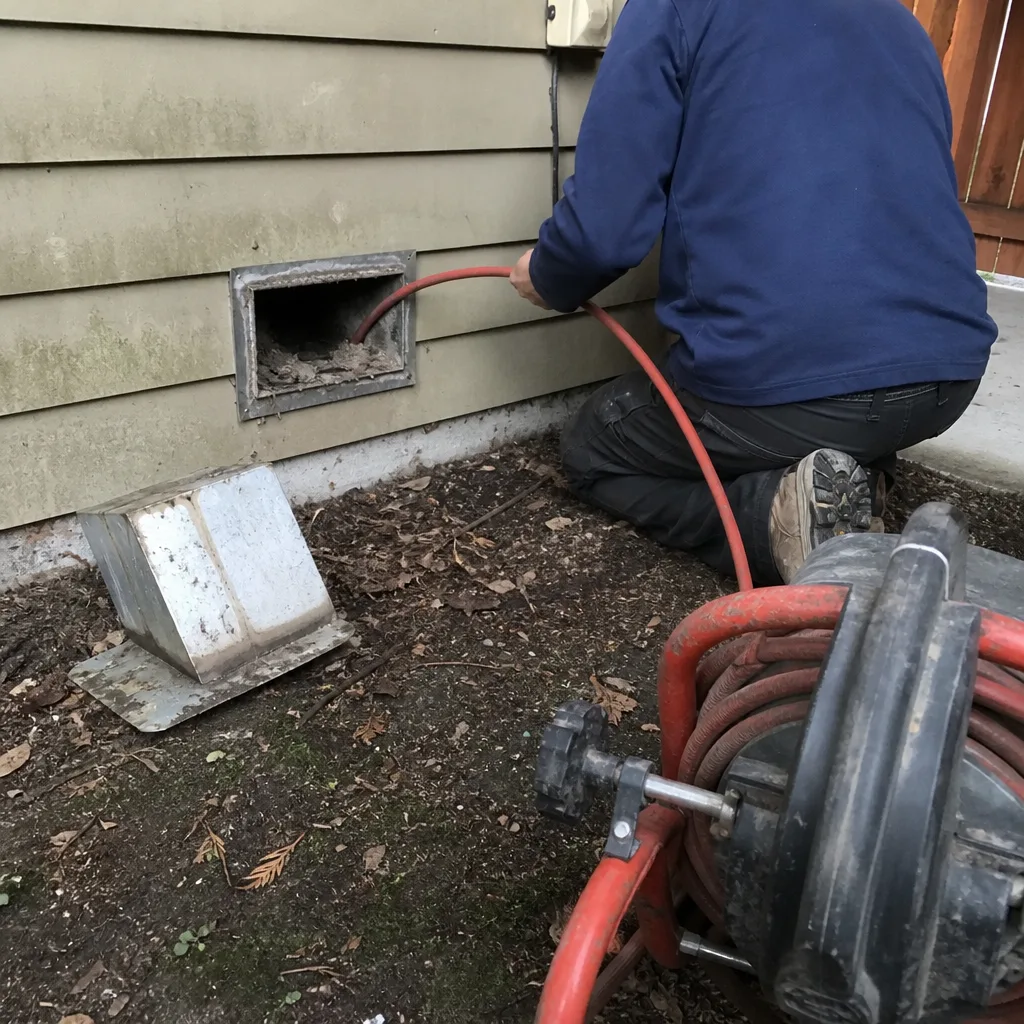 Before
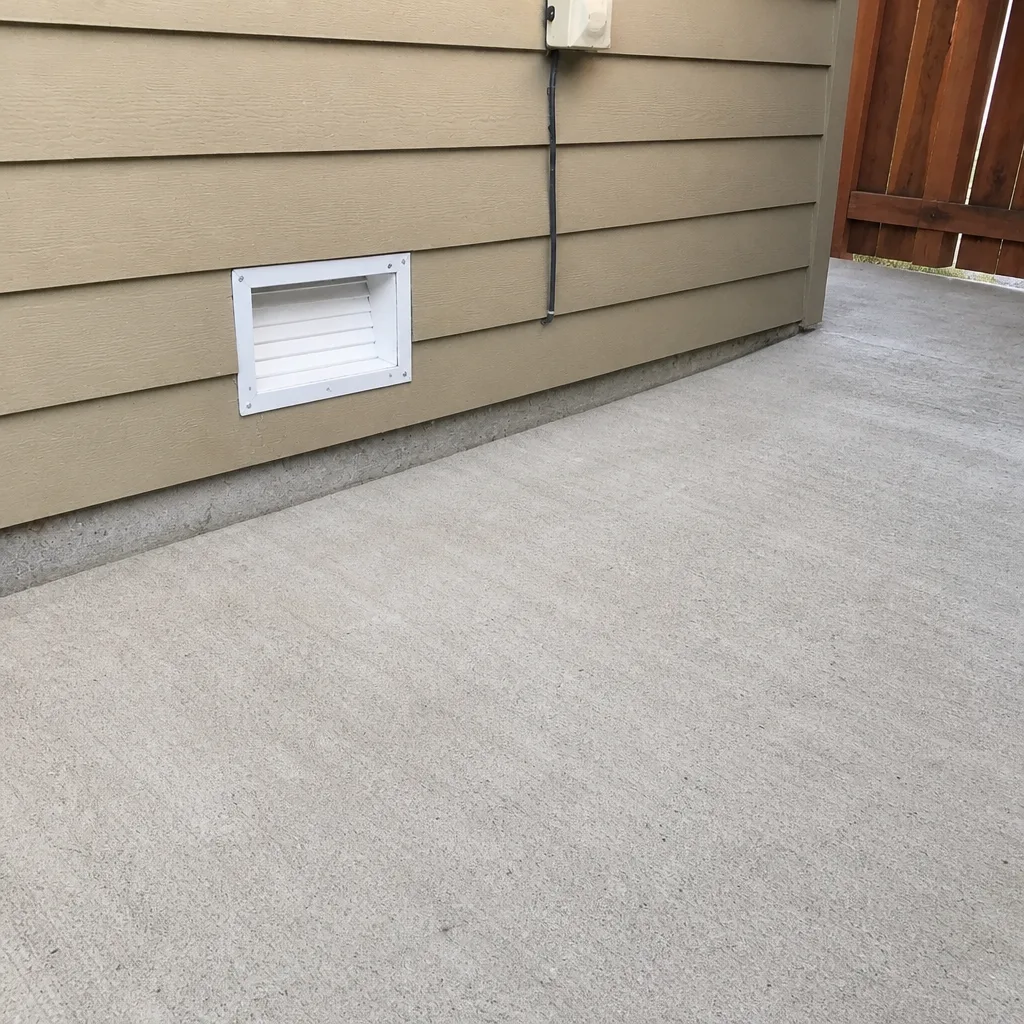 After
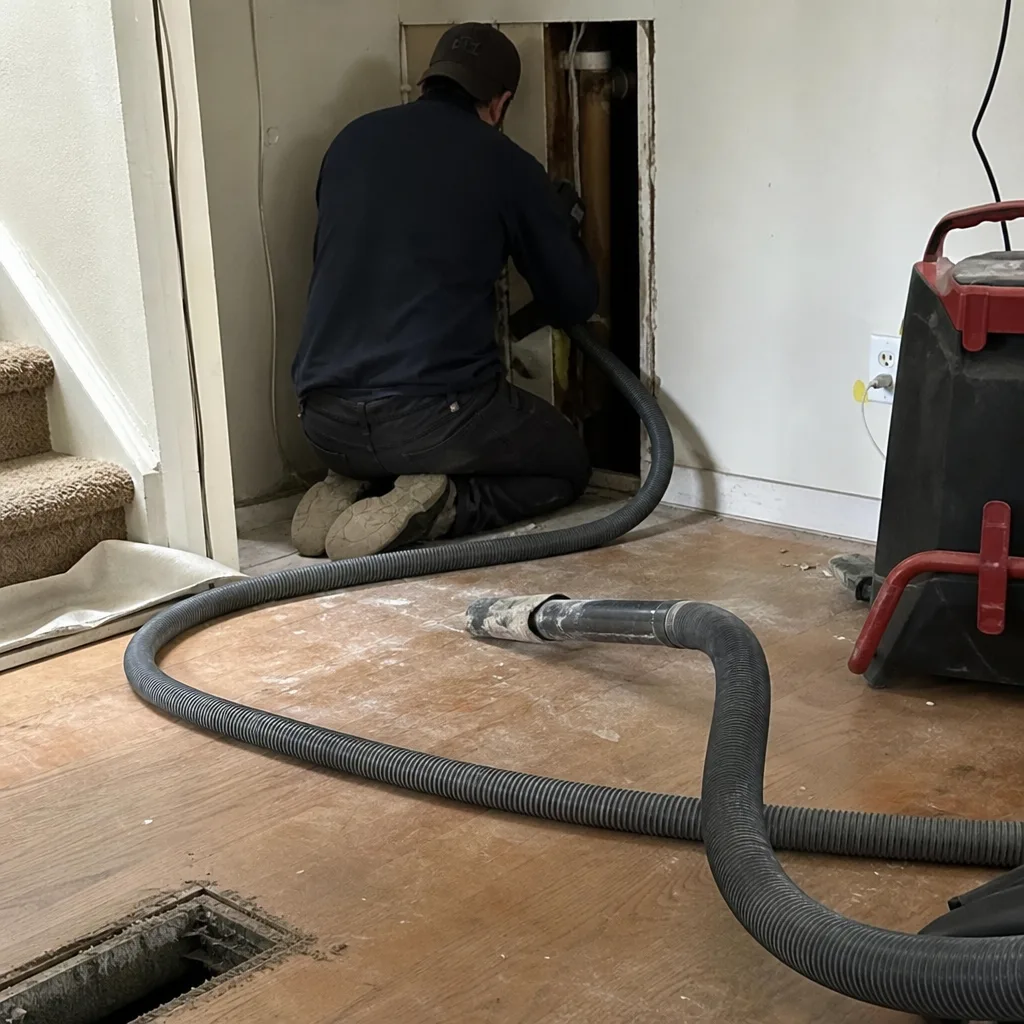 Before
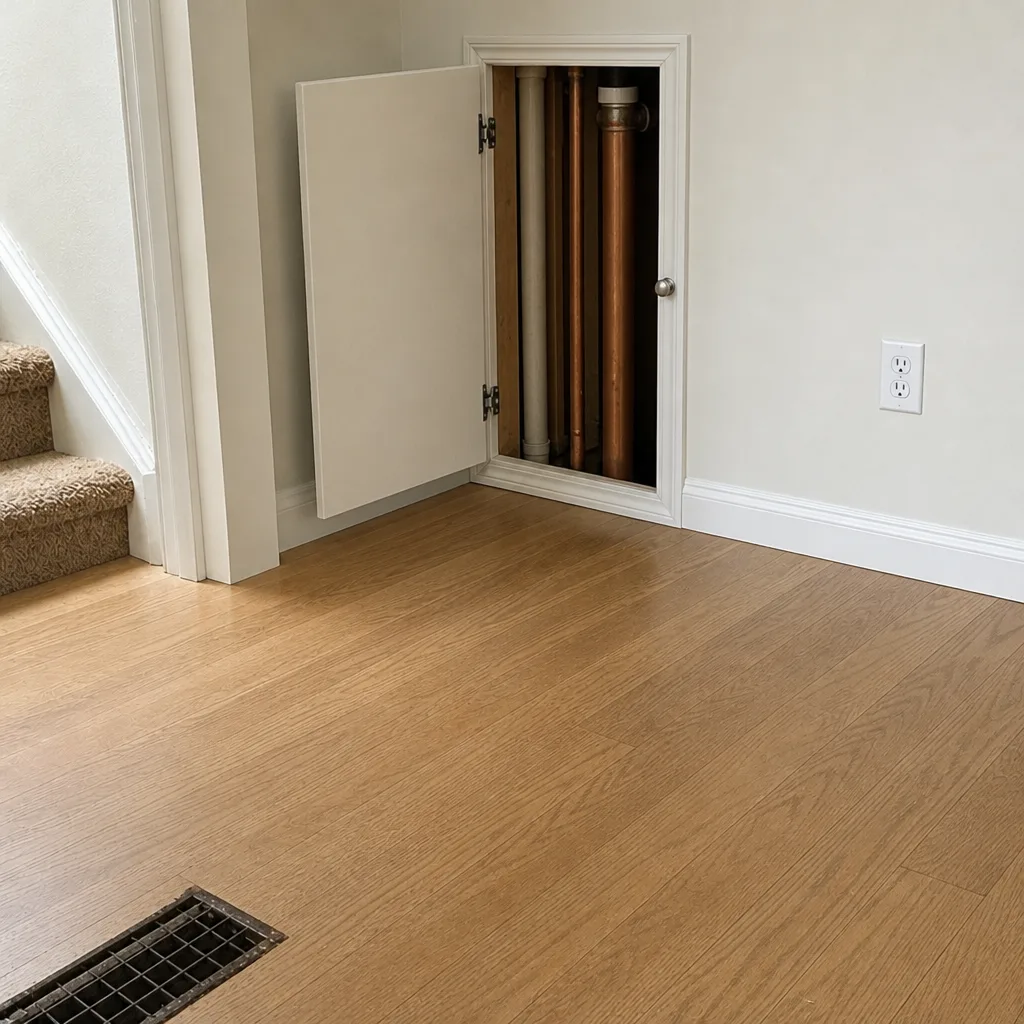 After
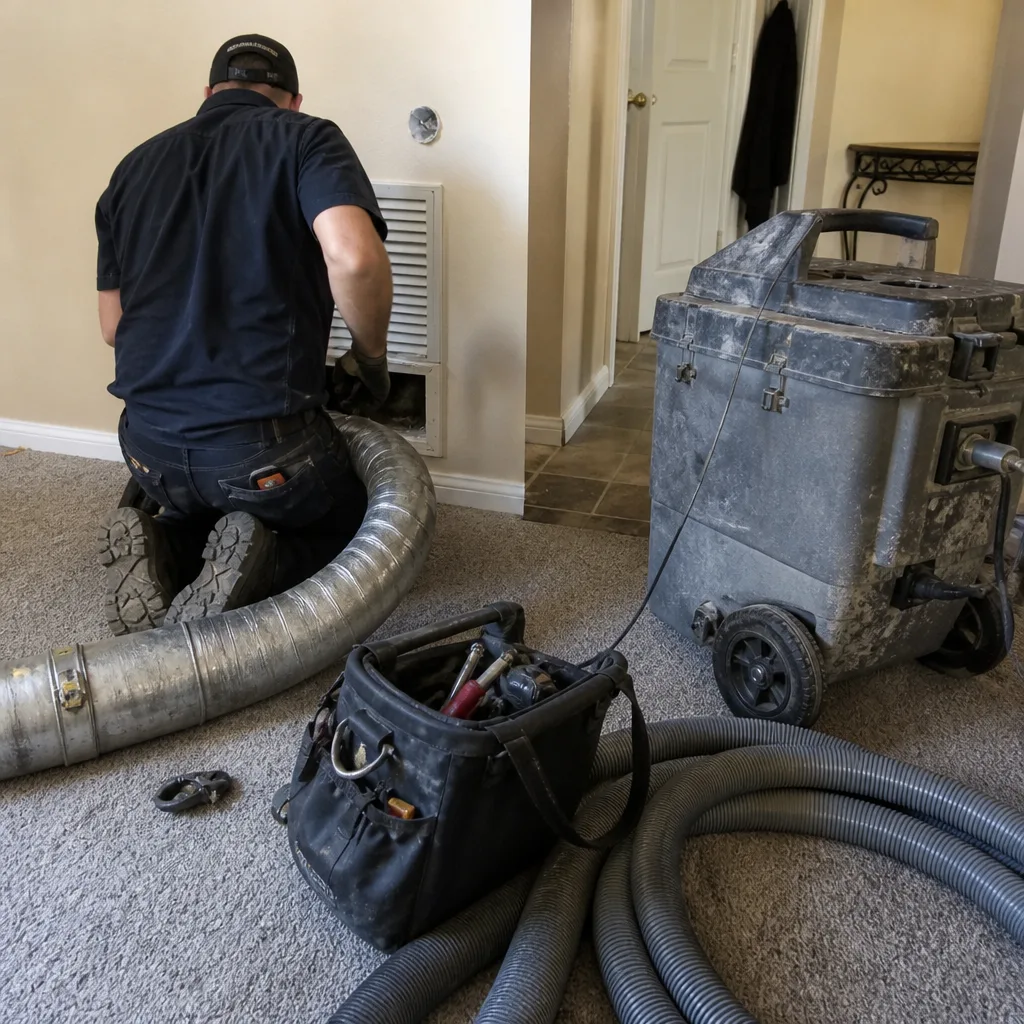 Before
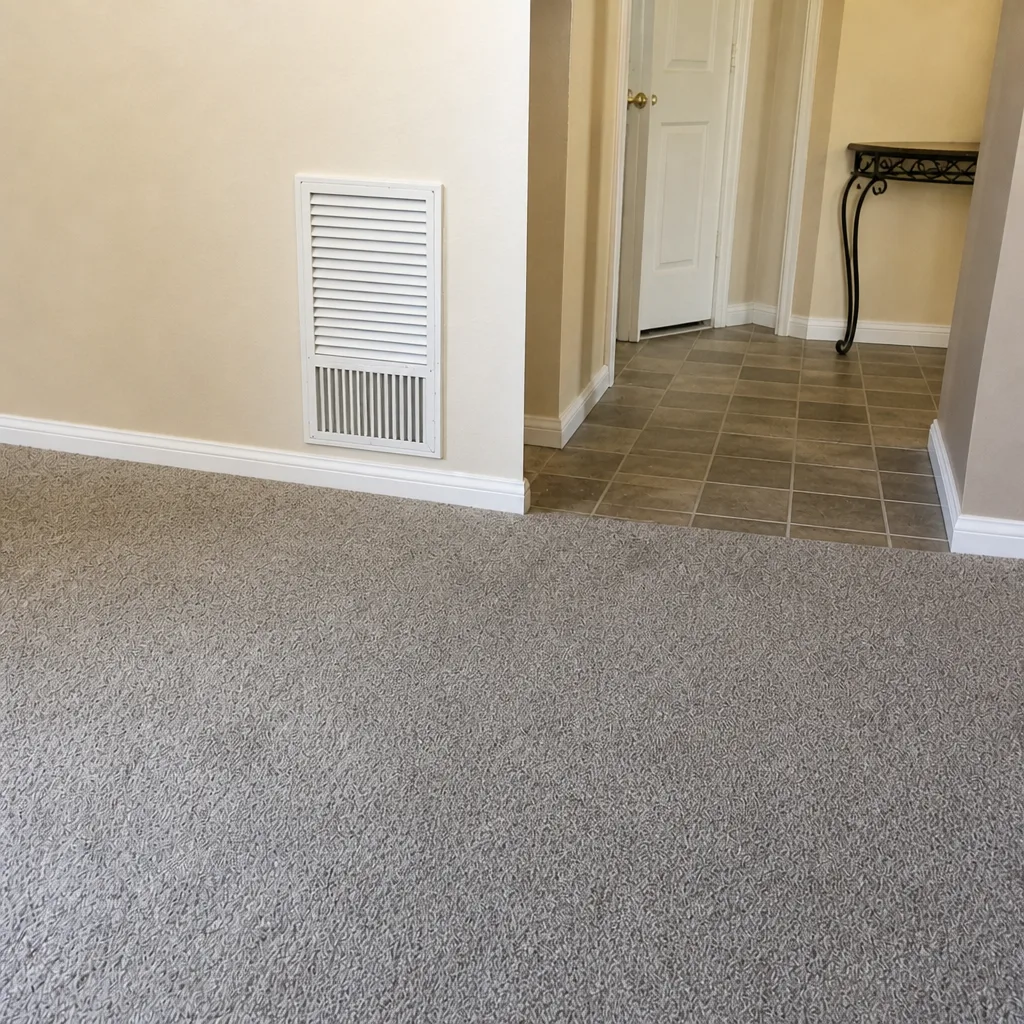 After
When to Call a Professional
Most homeowners call a professional when something is already wrong: visible dust blowing from a register, an unexplained musty odor, a heating bill that drifted up without explanation, or allergy symptoms that get worse indoors. Property managers in Issaquah typically call on a schedule, before something breaks, because turnover is the moment the ductwork gets noticed. That’s the right instinct. The ideal time to hire a duct cleaning contractor is before there’s a symptom, at a point where the equipment and scope conversation is easy to have and no one is under pressure. If you’re comparing quotes, comparing on equipment and written scope is what keeps the estimate honest. Issaquah Air Duct Cleaning Pros offers free estimates in Issaquah – call (877) 792-6439. We answer 24/7. Fast dispatch from 7am to 7pm, Sunday through Friday.
Frequently Asked Questions
Air duct cleaning in Issaquah is priced per system by written estimate, not per vent and not by coupon teaser. The scope (number of registers, return trunk, air handler, dryer vent, repair or sealing needs) determines the price, and the written estimate sets the final figure before work starts. We don’t publish a per-vent number because a per-vent price has nothing to do with your system. Call (877) 792-6439 for an exact quote – estimates are free.
Cheap quotes are cheaper because the scope is smaller than it sounds. A low coupon price typically covers a limited count of registers, skips the return trunk and air handler, and doesn’t include containment equipment or camera verification. The bait-and-switch pattern is that the invoice expands on-site once the technician is in the house. The right comparison is a written full-system scope against a written full-system scope, not a coupon against a scope. Call (877) 792-6439 for a free written estimate you can compare side by side.
Ask for before-and-after documentation of your own ducts. Camera inspection footage, or photos of the duct interior and registers, is what separates “we cleaned it” from “here’s proof we cleaned it.” A contractor who can’t produce documentation of your system either didn’t run the camera or isn’t set up to. We document every job for exactly this reason. Call (877) 792-6439 to schedule a free estimate.
There’s no single interval that fits every home. The honest answer is: it depends on the system, the moisture history, whether pets are in the home, recent renovation, and whether the ducts have been camera-inspected at all since installation. A duct system that’s been inspected and found clean doesn’t need cleaning again on a schedule. A system with moisture history or flex duct damage benefits from re-inspection sooner. Call (877) 792-6439 for an estimate that includes inspection.
No. Consumer shop-vacs and DIY brush kits don’t generate the containment airflow that keeps loosened debris out of the living space, and they can’t safely handle flex duct without tearing it. There’s also no way to camera-verify the result, so you have no way to know whether the job changed anything. Duct cleaning is an industrial-equipment job, not a homeowner tool job.
Yes, we do. We handle both residential and commercial work in Issaquah, and the equipment requirements differ meaningfully between the two, so ask about the specific property type when you call. Commercial systems and newer tight-envelope homes in Issaquah Highlands both benefit from the same equipment discipline (containment, camera inspection, written scope), just scaled differently. Call (877) 792-6439. We answer 24/7. Fast dispatch from 7am to 7pm, Sunday through Friday.
The Bottom Line
Hiring a duct cleaning contractor is an equipment and scope question, and price is answerable only once those are established. Verify the vacuum (Nikro or equivalent industrial HEPA), the contact-cleaning system (Rotobrush or equivalent), the containment (Abatement Technologies or equivalent), and the camera before booking. Confirm the Washington L&I registration and liability insurance before work starts. Get a written scope naming every component. Avoid the coupon price, the immediate “compromised ductwork” claim, and any sanitizing applied without a named product. If you follow that process, the wrong contractors screen themselves out in the first phone call. That’s the goal. If you’d rather we start with a free estimate, Issaquah Air Duct Cleaning Pros handles air duct cleaning, HVAC cleaning, and the repair and sanitizing stages in one engagement. Call (877) 792-6439. We answer 24/7. Fast dispatch from 7am to 7pm, Sunday through Friday.
Written by the team at Issaquah Air Duct Cleaning Pros.