
Last updated November 25, 2026
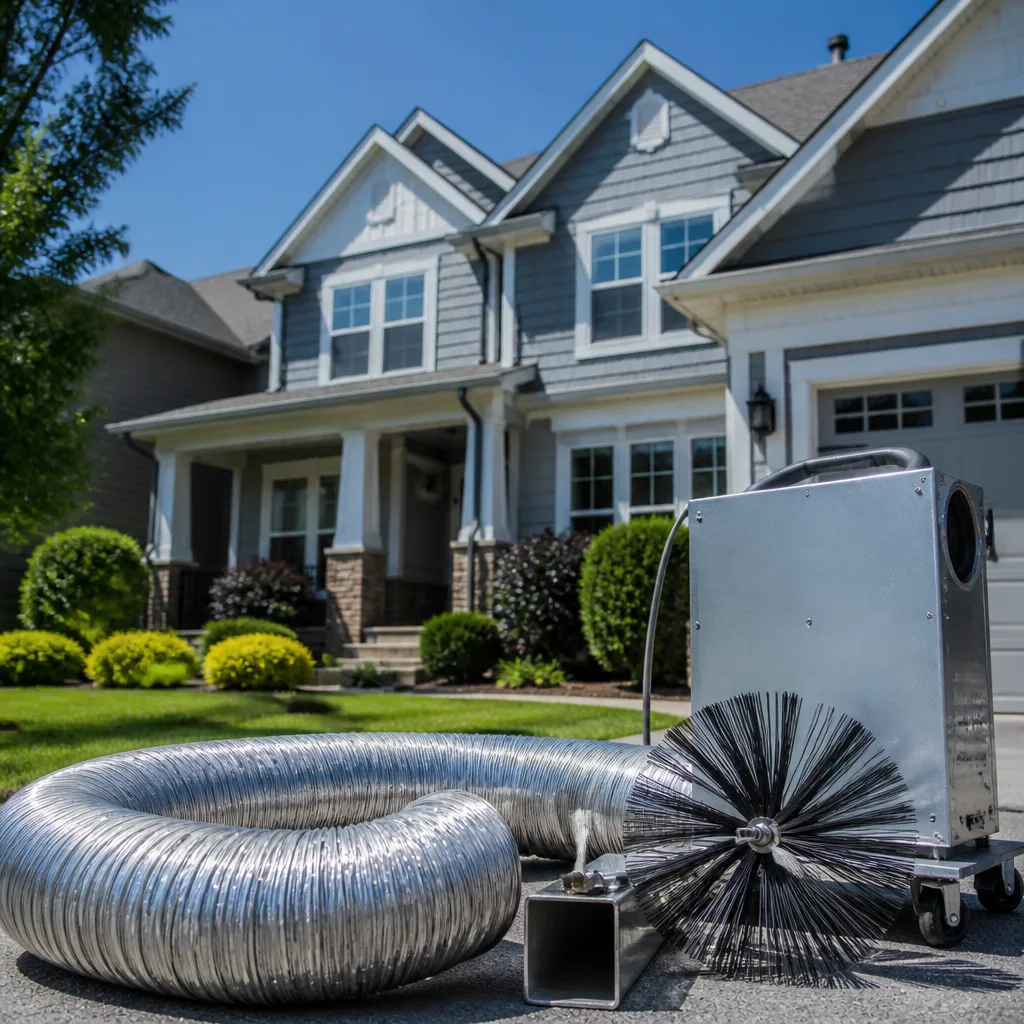 Whole-home duct cleaning
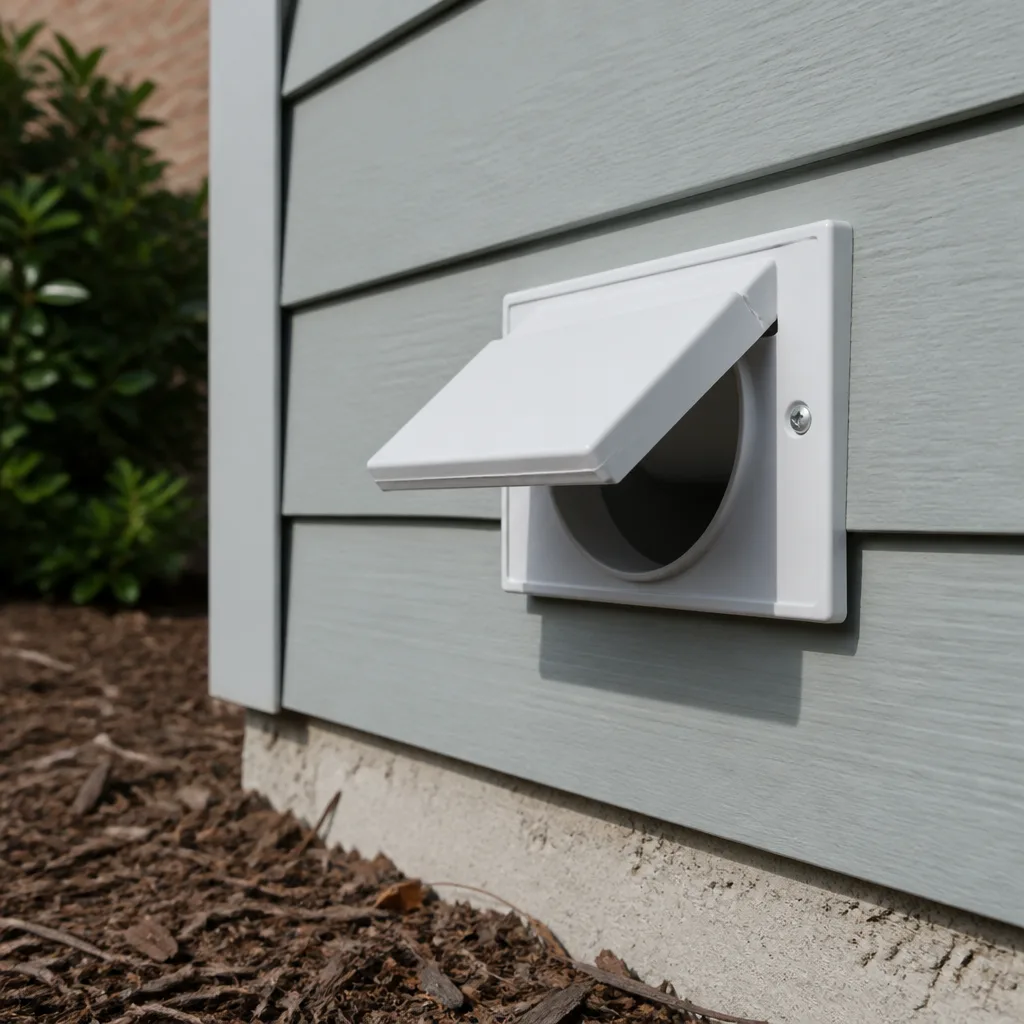 Dryer vent cleaning
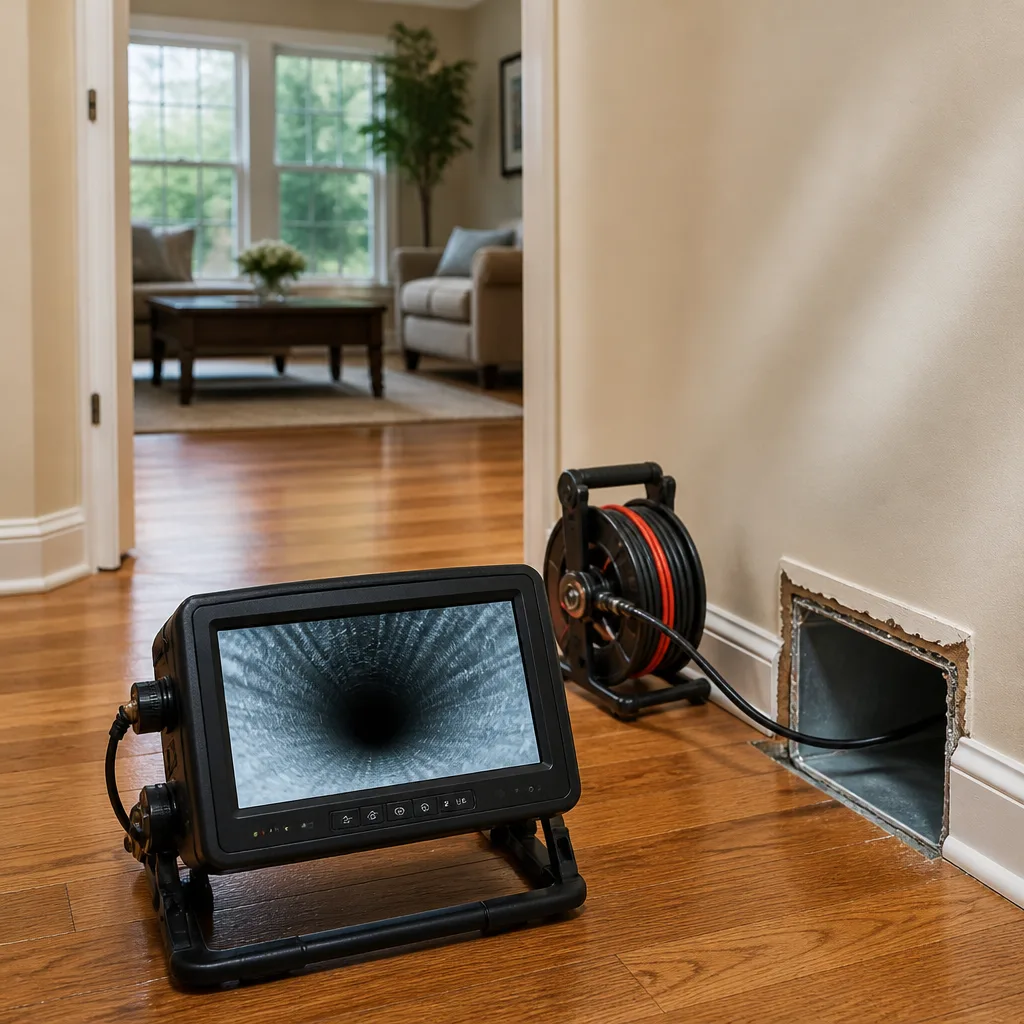 Camera inspection
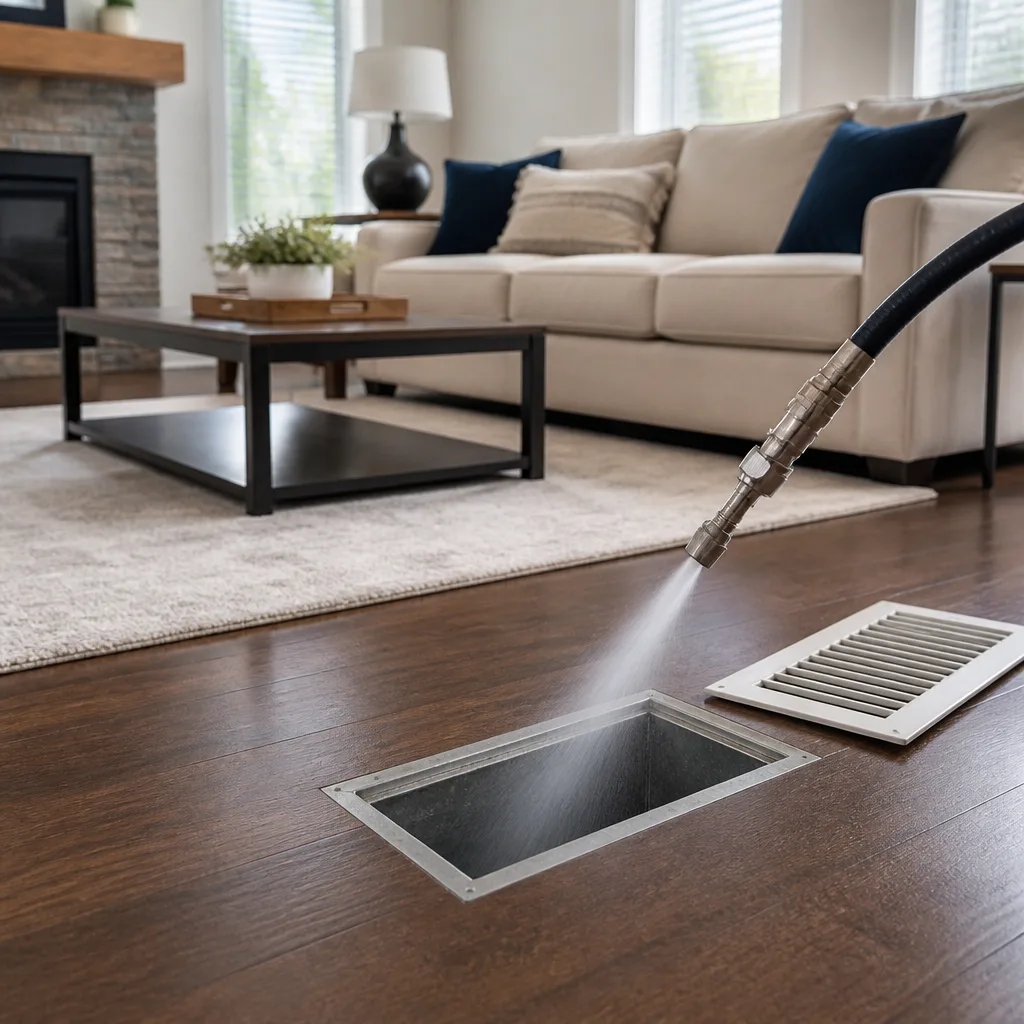 Sanitizing & deodorizing
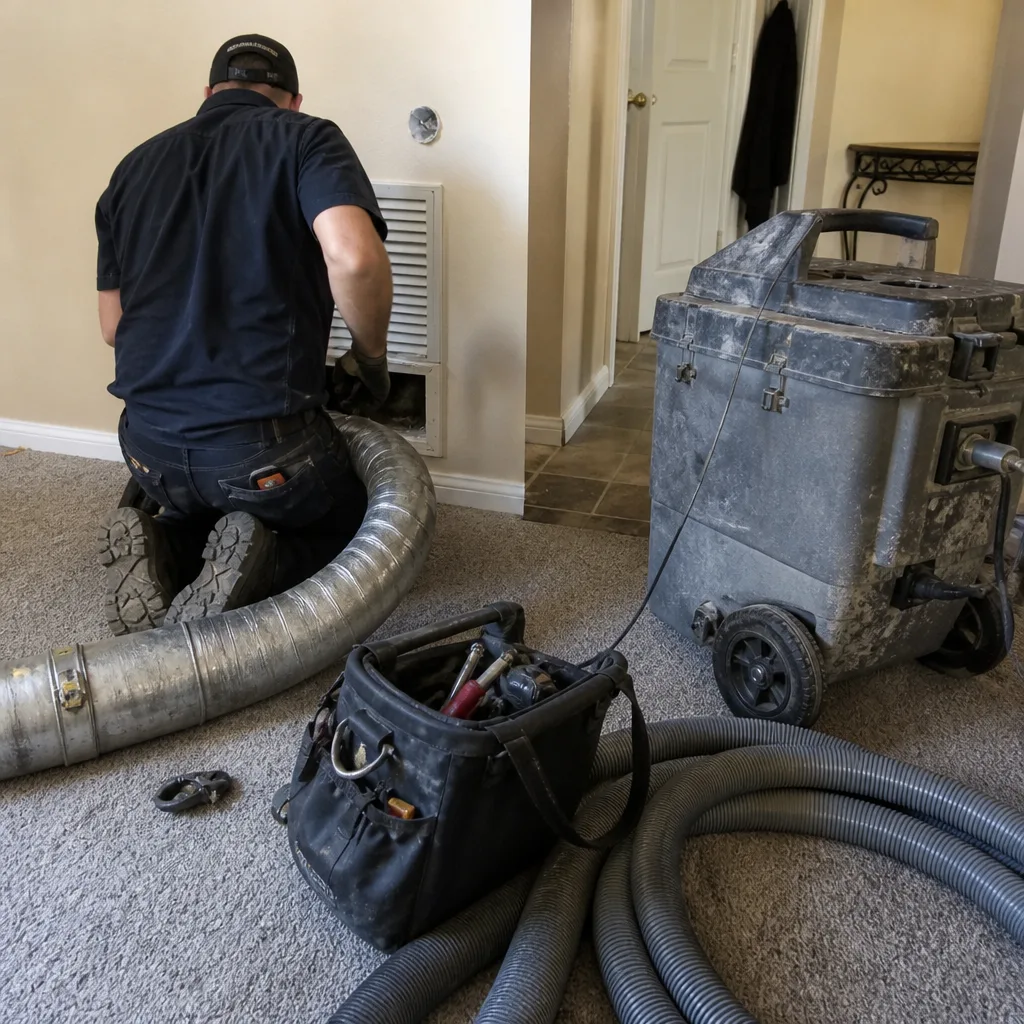
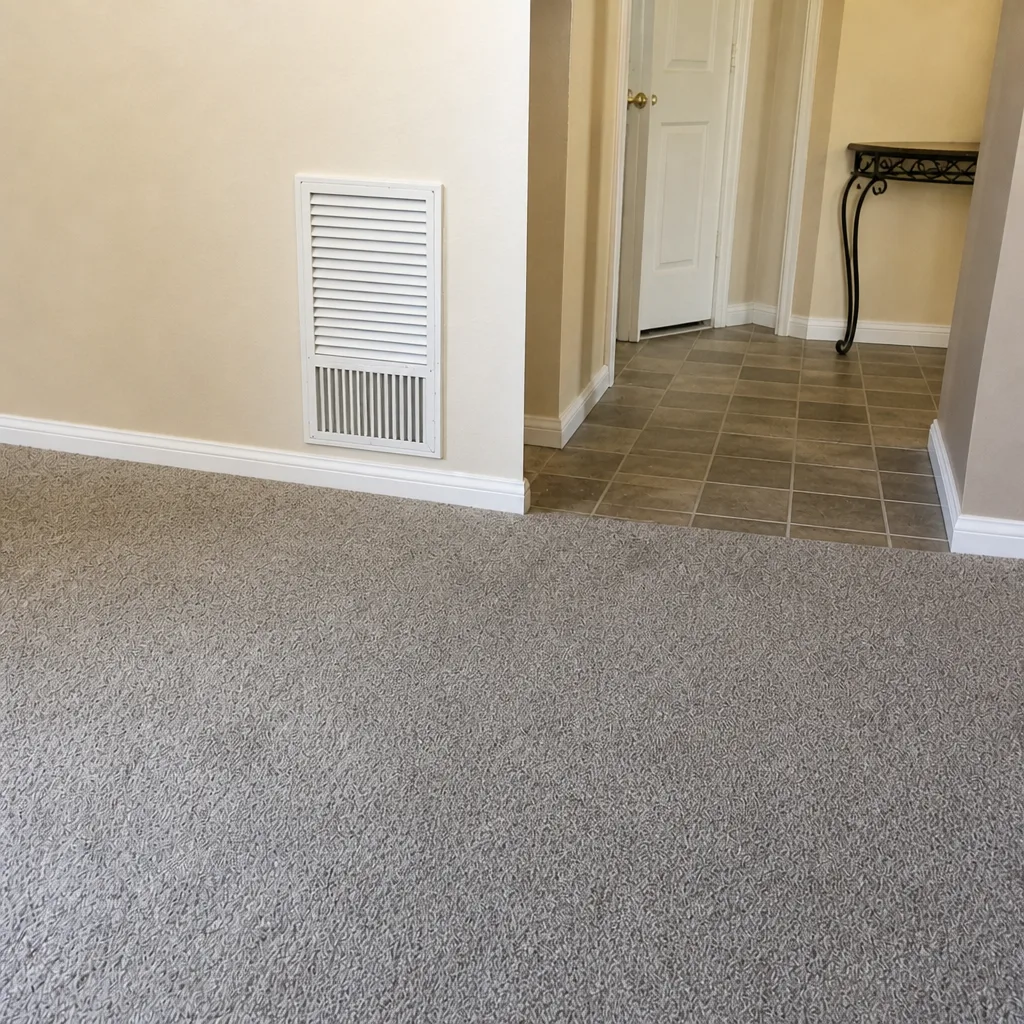
Whole-system duct and dryer vent check with before-and-after photos - you see exactly what came out of your vents
That "$99 whole-house special" is a bait ad - the real number appears once they are in your hallway, or the "clean" is a shop-vac at the register. We photograph the inside of your ducts before and after instead.
Seasonal Air Duct Cleaning Care for Issaquah: Year-Round Homeowner’s Guide
Most homeowners treat duct cleaning as a single checkbox: book it once, forget it, repeat someday. That works in places where the weather barely changes. Issaquah doesn’t cooperate with that approach. Between a wet marine-influenced climate, dense tree canopy, and wildfire smoke that drifts over the Cascades from Eastern Washington each summer, your duct system faces a different stress condition roughly every three months. A yearly cleaning schedule that ignores the calendar is a schedule that’s always catching up. This guide walks through what each season does to your ducts, when to look, what to check, and how to build a seasonal calendar tied to Issaquah’s actual weather rather than a generic national flyer.
Quick Answer
The right seasonal approach in Issaquah is to treat duct care as four distinct checkpoints rather than one annual event: inspect and clean in spring before cooling season, monitor filtration during summer wildfire smoke events and inspect afterward, clear moisture and debris risks in fall when leaf litter and rain arrive, and check filters mid-winter as heating cycles redistribute settled dust. One professional cleaning per year is often the right baseline, but the timing and the extra check-ins around smoke events make the difference.
Styles & brands we work with
- Whole-home duct cleaning
- Dryer vent cleaning
- Camera inspection
- Sanitizing & deodorizing
Table of Contents
- Why Issaquah’s Four Seasons Each Stress Your Ducts Differently
- Spring: Clearing Nine Months of Heating-Season Dust
- Summer: The Wildfire Smoke Protocol
- Fall: Moisture, Leaf Debris, and Crawlspace Realities
- Winter: Heating Cycles and the Mid-Season Filter Check
- Building a One-Page Seasonal Calendar for Your Home
- How Often Do Issaquah Ducts Actually Need Cleaning?
- Common Mistakes to Avoid
- When to Call a Professional
- Frequently Asked Questions
Why Issaquah’s Four Seasons Each Stress Your Ducts Differently
A duct system in Issaquah isn’t just a passive tube. It’s the return path your whole house breathes through, and the air moving through it picks up whatever the season throws at it. Treating spring, summer, fall, and winter as one undifferentiated maintenance category means you’re reacting to problems months after they form. The better frame is to ask, in each season: what’s getting in, what’s settling, and what’s being redistributed?
Here’s the short version of what each season does:
- Spring: Heating season ends, but the dust it deposited stays. Pollen load climbs and moves through any system that’s running with a filter past its service life. Cooling season startup makes this the natural moment to inspect and clean before the air conditioner runs hard into summer.
- Summer: Eastern Washington wildfire smoke crosses the Cascades and settles in the Snoqualmie Valley. Fine particulates that bypass standard filters can work their way into duct lining, and homeowners who “just changed the filter” often don’t realize the system itself took on the load.
- Fall: Issaquah’s tree canopy is one of the reasons people move here and one of the reasons debris ends up in outdoor air intakes and return paths. Rain returns, crawlspace humidity climbs, and any duct seam that’s failing starts to show it.
- Winter: The furnace cycles constantly, and each heating cycle lifts settled dust back into circulation. That’s when a mid-season filter check pays for itself, and when a failing duct seam becomes a call you’ll want to make before cold snaps hit.
This is the reasoning behind every schedule in this guide: react less, prevent more. We’ve seen how fast a system that looked fine in October becomes a source of dust and stale air by February. The fix usually isn’t a mystery. It’s a seasonal routine.
Spring: Clearing Nine Months of Heating-Season Dust
Spring is the season most homeowners skip, and it’s the one that stages the cleanest handoff into summer. Heating season in Issaquah runs long. By the time the furnace finally stops cycling in April or May, the duct system has pushed warm, dry air through every branch for months, and whatever dust, pollen, and fine debris came in along the way has settled into the duct lining, the return plenums, and the register boots.
Spring is also the right window to inspect the cooling coil before the air conditioner starts running hard. A coil that’s been sitting wet for months or caked with dust reduces cooling performance and can become a biological growth surface. When we clean a system, the coil inspection is part of the assessment, not an afterthought, because a dirty coil after a clean duct run undercuts the whole result.
A practical spring checklist:
- Pull and inspect the filter. If it’s loaded far beyond what the suggested interval says, that’s a sign the system took on more particulate than you’d expect. Note it before you replace it.
- Look at return grilles and register faces. Visible dark dust film is a signal. It doesn’t prove the whole system needs cleaning, but it’s a reason to arrange an inspection.
- Check for musty or “old house” smells when the system first runs. Biological growth in damp duct sections usually announces itself at startup.
- Inspect the cooling coil area. This is the timing question most homeowners miss. A coil inspection before cooling season catches dust load while it’s still easy to remove.
- Book cleaning before cooling season if it’s due. Spring timing means the system runs clean all summer instead of carrying last winter’s load into the hottest months.
For a deeper walkthrough of what full-service air duct cleaning covers in Issaquah, that’s the entry point. Spring is when it does the most good.
Summer: The Wildfire Smoke Protocol
Eastern Washington wildfire smoke that reaches Issaquah in July and August carries fine particulates that standard MERV-8 filters don’t reliably capture, and those particulates settle into duct lining where the filter can’t do anything about them. The visible sign is hazy air and the smell of smoke indoors with the windows shut. The invisible problem is what’s left in the duct system after the smoke clears. This is exactly the gap a “just changed my filter” homeowner falls into: the filter did its job on large particles and let the fine ones through.
Smoke events require a different rhythm from the rest of the year. Here’s the protocol we’d recommend:
- Before a smoke event, decide your filtration strategy. If your system is set up for a higher-MERV filter, that’s the window to have it in place. Not every residential system can handle a higher-MERV filter without a pressure-drop concern, so check with your HVAC professional before swapping. We carry HVAC cleaning and filtration upgrades for the same reason: it’s a whole-system decision.
- During a smoke event, close the house and run the fan on low. Cycling the fan continuously circulates filtered air instead of pulling smoke in through windows and doors. A freshly changed filter does the most work here.
- After a smoke event, look for the signs of smoke penetration: persistent smoky smell with the system running after the outdoor air clears, visible dark film on register faces, and any rise in allergy or irritation symptoms indoors. Those are the criteria that warrant an inspection before the next smoke event arrives.
- Schedule a duct inspection after a bad smoke season if the system hasn’t been cleaned recently. Post-event inspection focuses on particulate settled in the return path and duct lining, not just the filter.
When containment-grade air quality work is called for, we use Abatement Technologies negative-air equipment. It’s standard in remediation settings and uncommon among residential duct cleaners, but it’s what gives the work a verifiable result on a smoke event rather than a “looks better” result.
Fall: Moisture, Leaf Debris, and Crawlspace Realities
Fall is when Issaquah’s tree canopy turns from an asset into a maintenance item. Dense conifer and deciduous cover means leaf litter, needles, and fine debris blow into outdoor air intakes, return terminations, and any exterior vent you’ve got. Multiply that by the number of wet fall days in this climate, and a leaf-blocked intake becomes a moisture-supply problem, not just a debris problem. Wet organic material in an intake entry is a call you want to make in October, not February.
Crawlspace duct configurations are the other fall-specific concern. A lot of homes around Issaquah have duct runs through vented crawlspaces, and in a wet fall that’s a cold, humid environment. Duct seams and connections that are loose or failing can pull moisture-laden air into the system. The first sign is often condensation on the outside of duct work, or a musty smell at floor registers.
A practical fall checklist:
- Clear exterior air intakes and vents. Leaves, needles, and spider webs are the three most common obstructions we find.
- Walk your crawlspace if you have one. Look for standing water, sagging duct runs, disconnected joints, or visible moisture on the duct exterior.
- Inspect accessible duct seams and connections. Loose joints waste energy and pull crawlspace air into the living space.
- Decide on repair and sealing before heating season. Fall is the right window for duct repair and sealing so the fix is in place for the whole heating season.
- Confirm the dryer vent isn’t blocked with debris. Fall is a good time to check, and clear dryer vent cleaning removes lint and debris accumulation that builds up invisibly all year.
“We repair what we find” is the reason we bundle repair and sealing into the same visit as cleaning. Finding a disconnected crawlspace duct and scheduling a second contractor to fix it wastes a heating season.
Winter: Heating Cycles and the Mid-Season Filter Check
Winter in Issaquah is when your furnace is cycling constantly and every cycle is a small redistribution event: settled dust in the duct system gets lifted and pushed back through the house. Homes that were clean in October can feel dusty by January, and the culprit is often the same duct system just doing what heating circulation does. That’s not a reason to panic; it’s a reason to schedule a mid-winter filter check and decide whether a full cleaning is warranted before spring.
The mid-season filter check matters more than most homeowners realize. If your filter loads faster in winter than the rest of the year, that’s telling you something about the dust supply feeding the system. A filter that plugs in six weeks is not a filter problem; it’s a duct system problem.
Winter also reveals duct repair needs that stay quiet the rest of the year. A seam that leaks a little in summer leaks noticeably in winter, because a heated system under load is where static pressure and supply-demand imbalances show up. Cold rooms that never quite warm up, or a register that seems to underperform while others are fine, are worth diagnosing before the next cold snap.
The one thing we’d caution against in winter: DIY work on duct seams or connections inside a crawlspace, especially where gas appliances or electrical runs share the space. Duct repair and sealing is the kind of work where a trained professional benefits from knowing what’s adjacent, and the risk of disturbing a gas or electrical component isn’t worth the saved call. Our technicians have up to 8 years of experience with this balance between repair and safety.
Building a One-Page Seasonal Calendar for Your Home
The calendar on the fridge doesn’t need to be complicated. Here’s the one-page version, tied to Issaquah’s actual climate events rather than a generic national schedule:
- March-April: Inspect the filter and return grilles. Note whether this winter’s load was heavier or lighter than last. Book a system inspection if it’s been a while.
- April-May: Cooling coil inspection before the air conditioner takes on heavy summer load. Spring cleaning if it’s due on your cycle.
- June: Confirm filter rating and spare filter supply before smoke season. Check with your HVAC professional if you’re considering a higher-MERV filter.
- July-August: During smoke events, close up and run the fan on low. After a significant smoke event, do a visual inspection of register faces and note smells. Book a post-event inspection if the system hasn’t been cleaned recently.
- September-October: Clear exterior air intakes and vents. Crawlspace walk-through. Duct inspection and repair/sealing if needed before heating season starts.
- November: Dryer vent check. Confirm the furnace filter is fresh going into the heavy heating season.
- December-February: Mid-winter filter check if the load looks heavier than usual. Book a professional inspection if you notice dusty air or underperforming registers.
That’s seven checkpoints, most of them ten-minute walk-throughs. The best calendars are the ones you’ll actually use. The worst are exhaustive and abandoned.
How Often Do Issaquah Ducts Actually Need Cleaning?
For most Issaquah homes, one professional cleaning per year (or every two years, depending on household) is a reasonable baseline. The seasonal framework above tells you when in the year to schedule it. Households with shedding pets, recent remodeling, allergy-sensitive occupants, or a smoke-heavy summer usually benefit from the annual schedule rather than stretching to two years. Homes with low occupancy, minimal shedding, and a clean heating history can often run a longer cycle without compromising indoor air quality.
What gets missed in the “how often” conversation is that frequency depends on what the duct system is doing, not just how the house feels. A system with a leaky crawlspace return is drawing in more particulate than a sealed one, and it’ll need more frequent cleaning until that leak is fixed. That’s a case for inspection before scheduling: understand the system first, then set the interval.
| Household situation | Typical interval | Seasonal note |
|---|---|---|
| Shedding pets, allergy-sensitive occupants | Annual | Clean in spring before cooling season; post-smoke inspection in summer |
| Recent remodeling or new construction | After the project, then annual until clear | Construction dust load is a distinctly different cleaning need |
| Leaky or unsealed crawlspace ducts | Annual until repaired | Repair and seal in fall so winter load is reduced |
| Low occupancy, no pets, tight envelope | Every 2 years | Mid-winter filter check still worth doing |
| Heavy smoke event within the year | Post-event inspection regardless of schedule | Particulate bypasses standard filters and settles in lining |
We present those as typical intervals, not rules. Every home’s system is different, and the written estimate at inspection is what actually sets the right scope and cadence. This is per-job work, priced by estimate, not a per-vent rate.
Common Mistakes to Avoid
- Treating duct cleaning as one undifferentiated annual event. Around Issaquah, the seasonal stresses are genuinely different, and scheduling the same service slot every year without regard for smoke events or moisture issues wastes the effort. Match the timing to what the system actually faced.
- Believing the filter prevented smoke penetration. Standard MERV-8 filters do their job on large particles and do little on wildfire fine particulates. If a smoke season hit hard, the filter change doesn’t clear the duct system.
- Assuming the cheapest quote is a saving. Low up-front coupons in this trade often turn into much larger invoices once the technician is on site, because the work covered at that price isn’t the work most systems actually need. Ask what the flat price covers before you book anything.
- Skipping cooling coil inspection in spring. A quick visual inspection before cooling season catches dust load while it’s still cheap to remove. Skipping it means paying twice for a less efficient result later.
- Ignoring the crawlspace until a problem shows up. In a wet Issaquah fall, a loose crawlspace duct pulls humid air and pulls particulate matter in. A ten-minute walk-through in October is the cheap version of this.
- Cleaning without repair and sealing. Cleaning a system with leaky seams is a temporary fix. The dust comes back through the same leaks, and the air quality improvement doesn’t hold.
- Not asking about the equipment and the technician. A shop-vac setup and a Rotobrush contact-cleaning system are not the same job. Ask which equipment will run on your system before you book.
When to Call a Professional
Most seasonal upkeep is a homeowner task: filters, register inspections, exterior intake clearing, and noticing what’s changed. A professional call is worth making when the diagnosis needs equipment, when the safety margin matters, or when the result needs to be verifiable. Specific scenarios that warrant a call: persistent musty smell after a duct system runs, visible dark debris film throughout the register network, a smoke-heavy summer followed by indoor air quality complaints, a crawlspace duct that’s disconnected, sagging, or showing moisture, and a dryer vent that hasn’t been cleared in a while. Electrical panels, gas lines, and tight-clearance crawlspace duct repair all fall into the do-not-DIY category. Issaquah Air Duct Cleaning Pros offers free estimates in Issaquah – call (877) 792-6439. We use Rotobrush contact-cleaning systems and Nikro industrial HEPA vacuums, and we carry Honeywell and Aprilaire product lines for filtration upgrades in the same visit. One flat price per system, agreed before work starts, with before-and-after photos of your own ducts.
Frequently Asked Questions
Typical pricing in the Issaquah market runs into the low-to-mid hundreds of dollars for a standard residential system, and higher for systems with additional returns, complex crawlspace runs, or repair and sealing needs folded into the visit. The honest way to get a real number is a free estimate: one flat price per system, agreed before work starts, with no per-vent pricing. Call (877) 792-6439 for an exact quote – estimates are free.
Cheap quotes usually cover a smaller scope than the work most systems actually need: a quick vacuum of accessible sections, no repair or sealing, and consumer-grade equipment instead of industrial HEPA. A couple of days later, the invoice has grown past the original coupon price. Ask what’s actually included before you book, and if the answer is vague, treat it as the risk it is.
Ask for before-and-after photos of your own duct system, and ask what equipment will run before work starts. We use Rotobrush contact-cleaning systems and Nikro industrial HEPA vacuums, both standard in professional duct cleaning. Photos of your own registers and duct interior are the proof standard we hold ourselves to; ask any contractor for the same. Call (877) 792-6439 if you’d like a free estimate before booking.
For most homes, one professional cleaning per year or every two years is a reasonable baseline, and the seasonal calendar in this guide tells you when in the year to schedule it. Homes with pets, allergy-sensitive occupants, recent remodeling, or a smoke-heavy summer tend toward the annual schedule. A free estimate is the fastest way to set yours; call (877) 792-6439.
Yes, if the duct system hasn’t been professionally cleaned within the past year or so and the smoke event was significant. Wildfire fine particulates bypass standard MERV-8 filters and can settle in duct lining even when the indoor filter was fresh. A post-event inspection tells you whether cleaning is warranted, and it’s cheaper than guessing. Call (877) 792-6439 for a free estimate before the next smoke season.
Filters, register inspections, exterior intake clearing, and noticing what’s changed are all homeowner tasks. Cleaning, repair, sealing, and any work near gas or electrical components belong with a trained professional, and that’s the boundary we’d hold to. For the professional side of the calendar, Issaquah Air Duct Cleaning Pros handles cleaning, repair, sealing, and sanitizing under one visit. Call (877) 792-6439 for a free estimate.
The Bottom Line
Issaquah’s four seasons each stress your duct system in a distinct way, and a single annual event on a generic national schedule catches up to problems rather than preventing them. Spring cleaning clears the heating-season load and stages the cooling coil for summer. The summer wildfire smoke protocol is the one addition that competitors miss, and it’s the highest-value check-in for any Issaquah house. Fall means crawlspace checks and duct repair before the heating season starts, and winter means a mid-season filter check. One flat price per system, agreed before work starts, with before-and-after photos of your own ducts, is the proof standard we hold ourselves to. Clean ducts start to finish, air you can verify.
Written by the team at Issaquah Air Duct Cleaning Pros.
Ready to set up your seasonal schedule? Call (877) 792-6439 for a free estimate. We answer 24/7, and fast dispatch runs from 7am to 7pm, Sunday through Friday, for free estimates throughout Issaquah.
See the difference
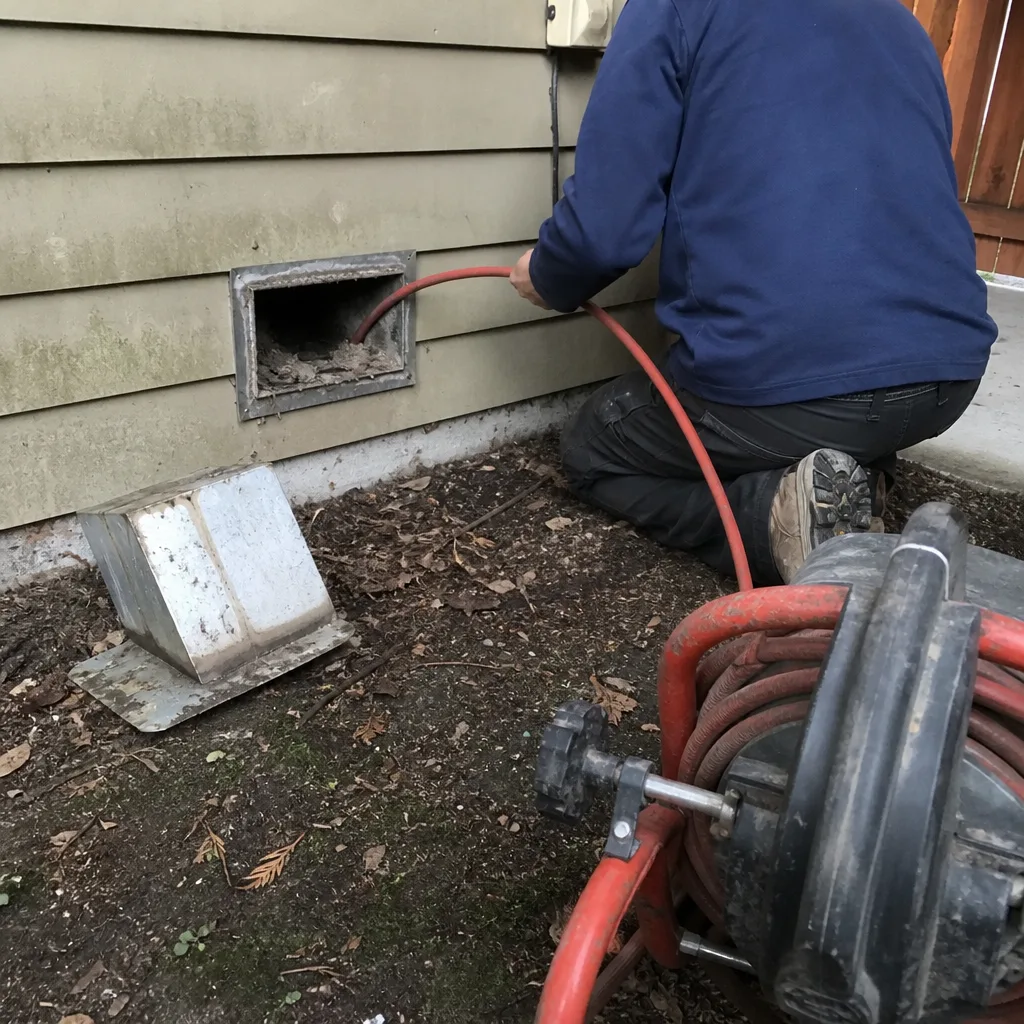 Before
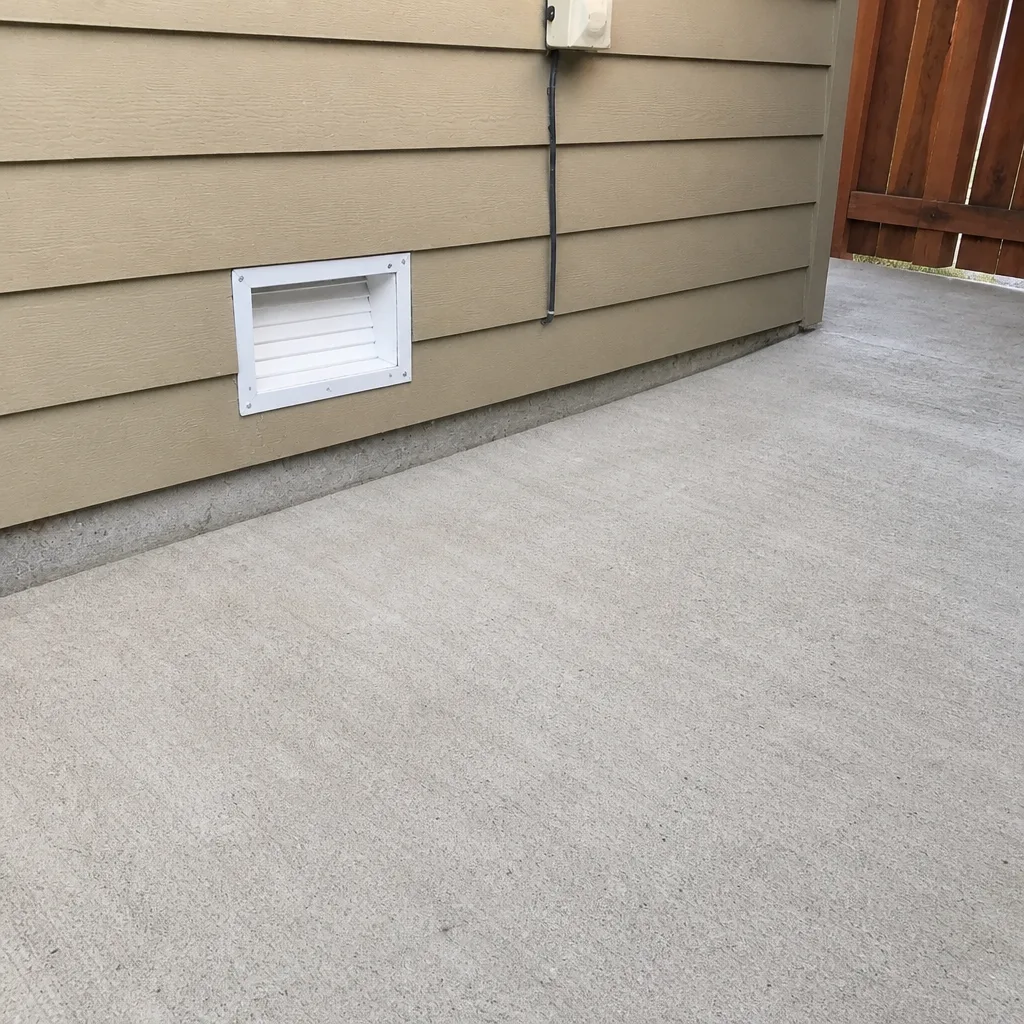 After
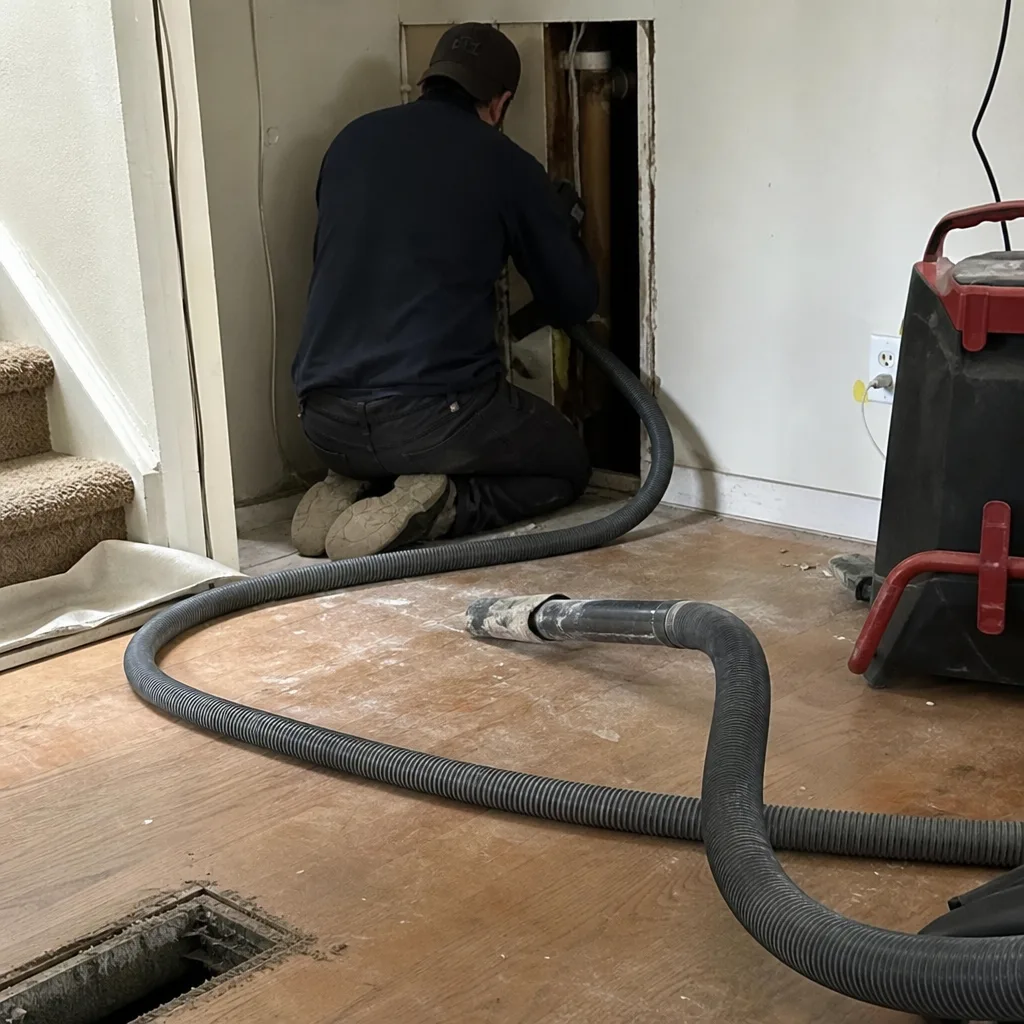 Before
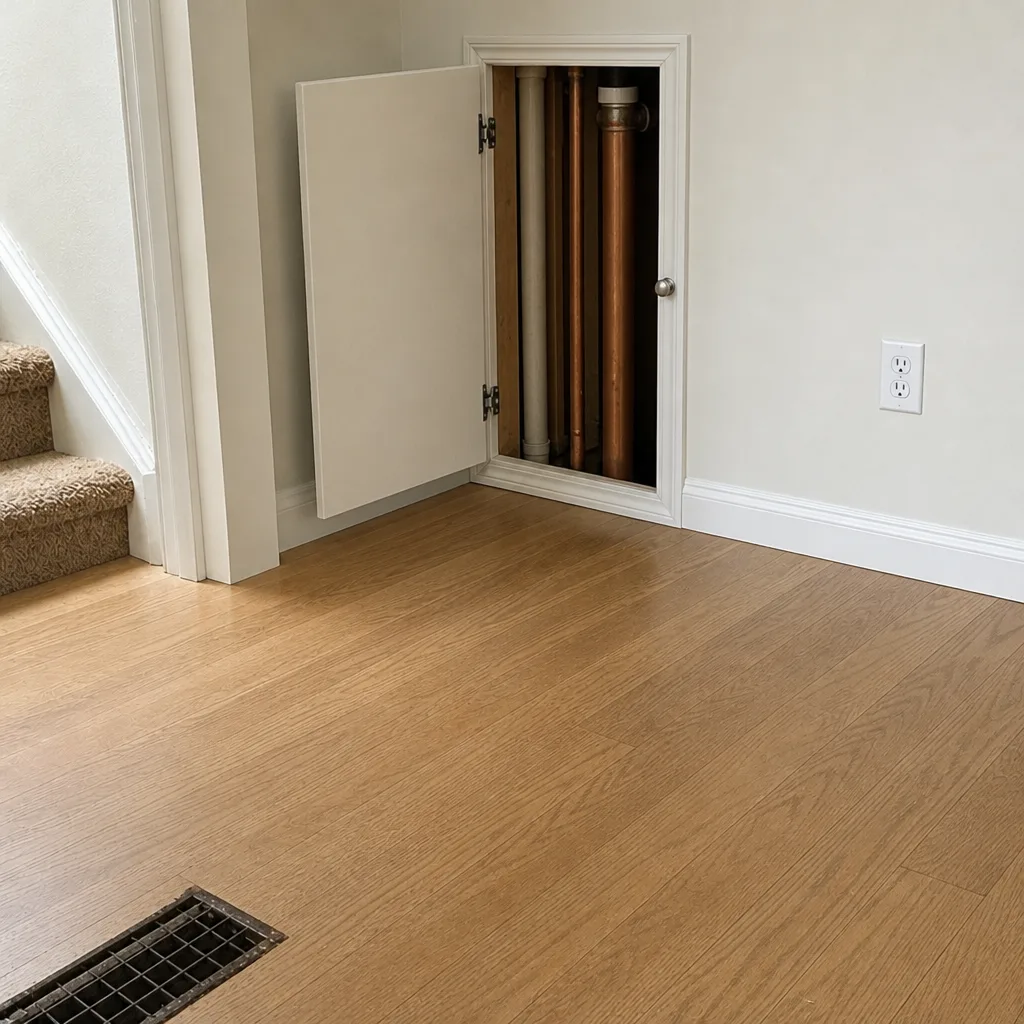 After
 Before
 After