
Last updated November 25, 2026
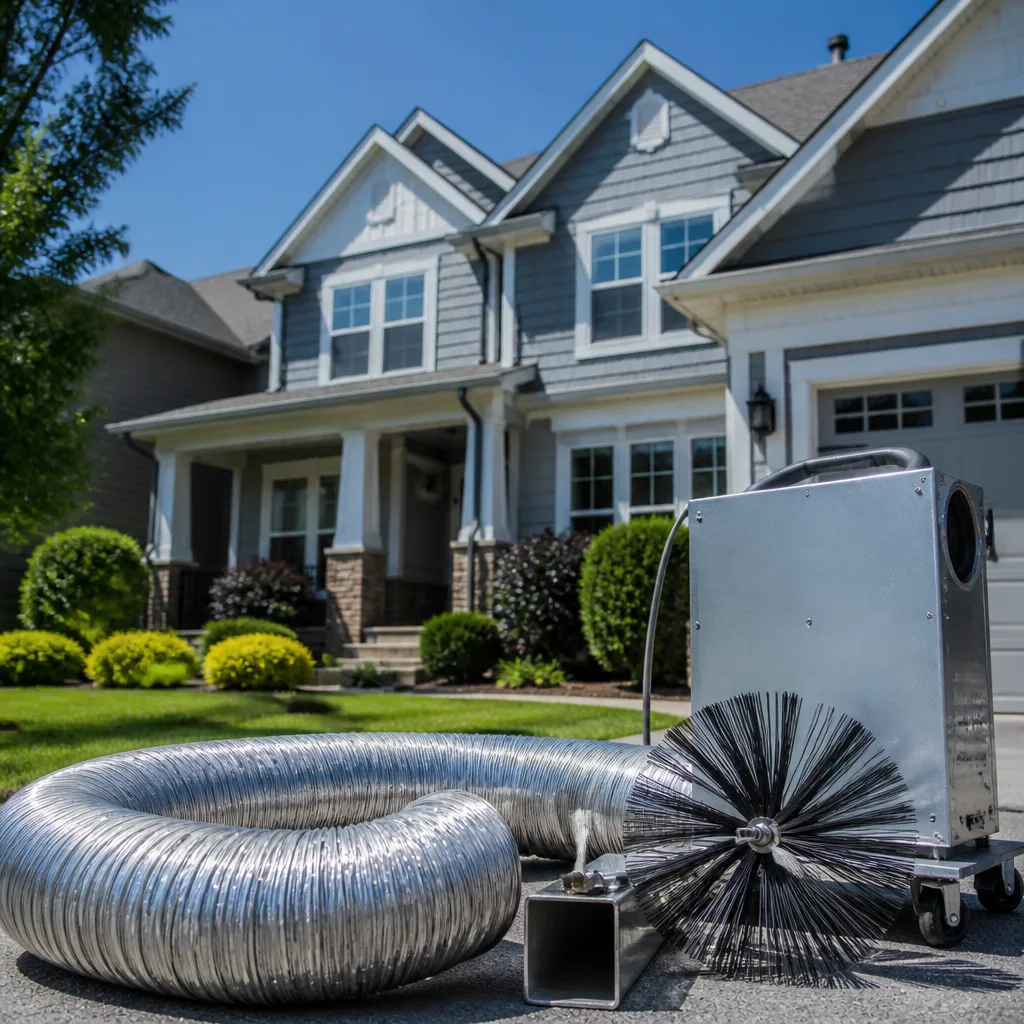 Whole-home duct cleaning
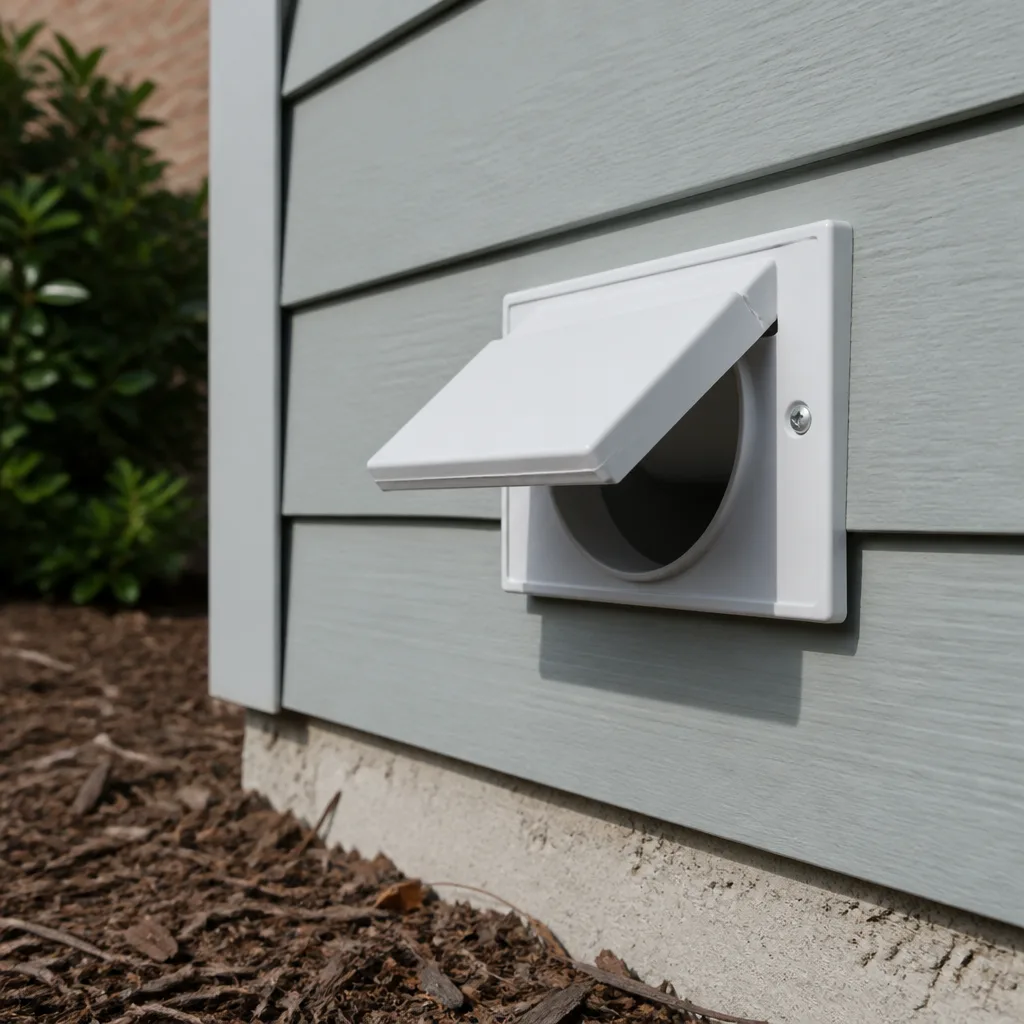 Dryer vent cleaning
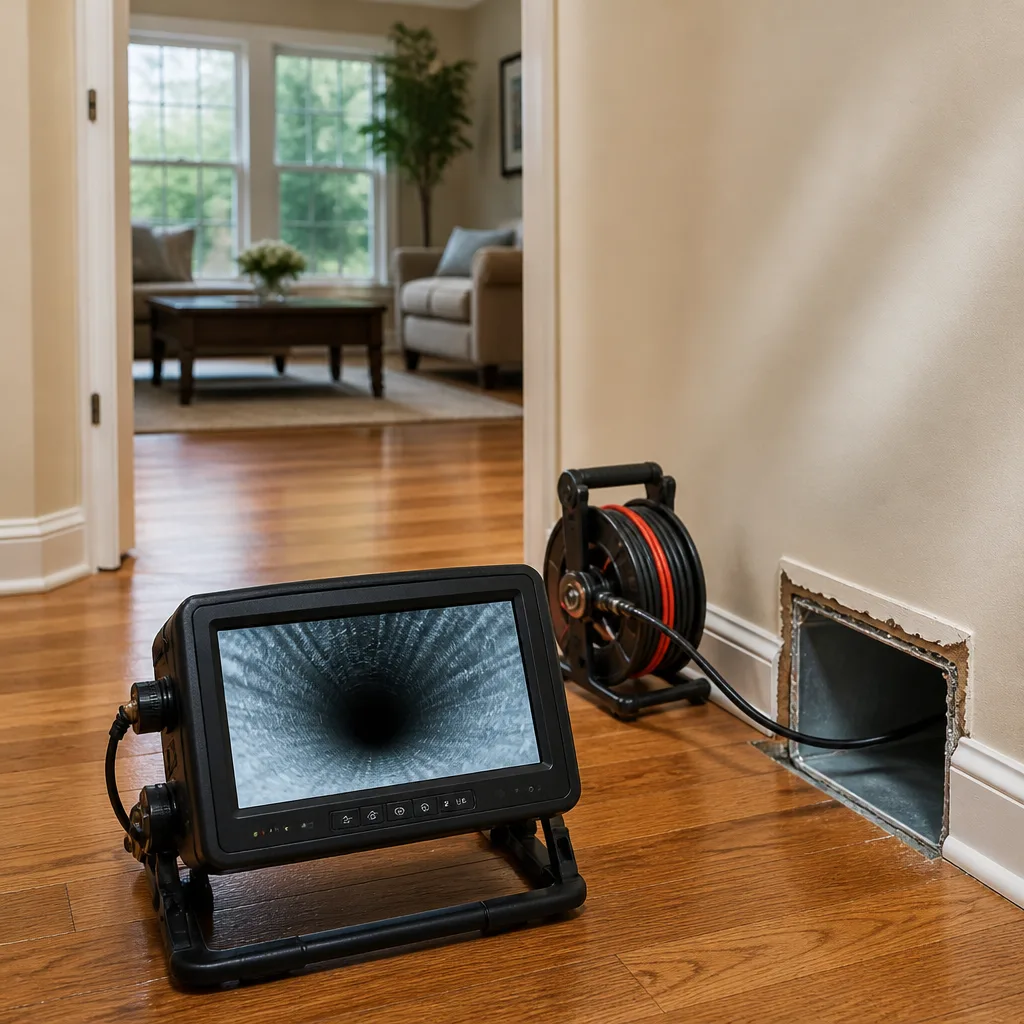 Camera inspection
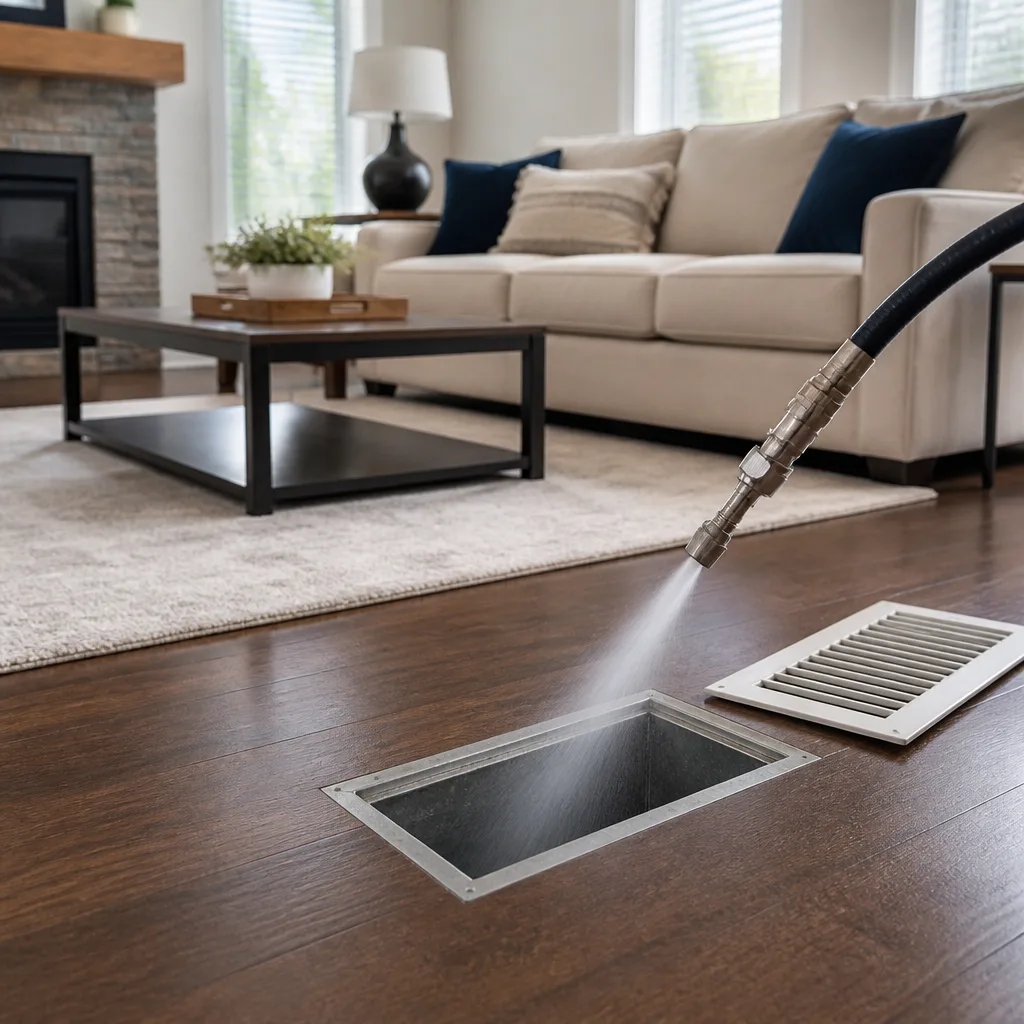 Sanitizing & deodorizing
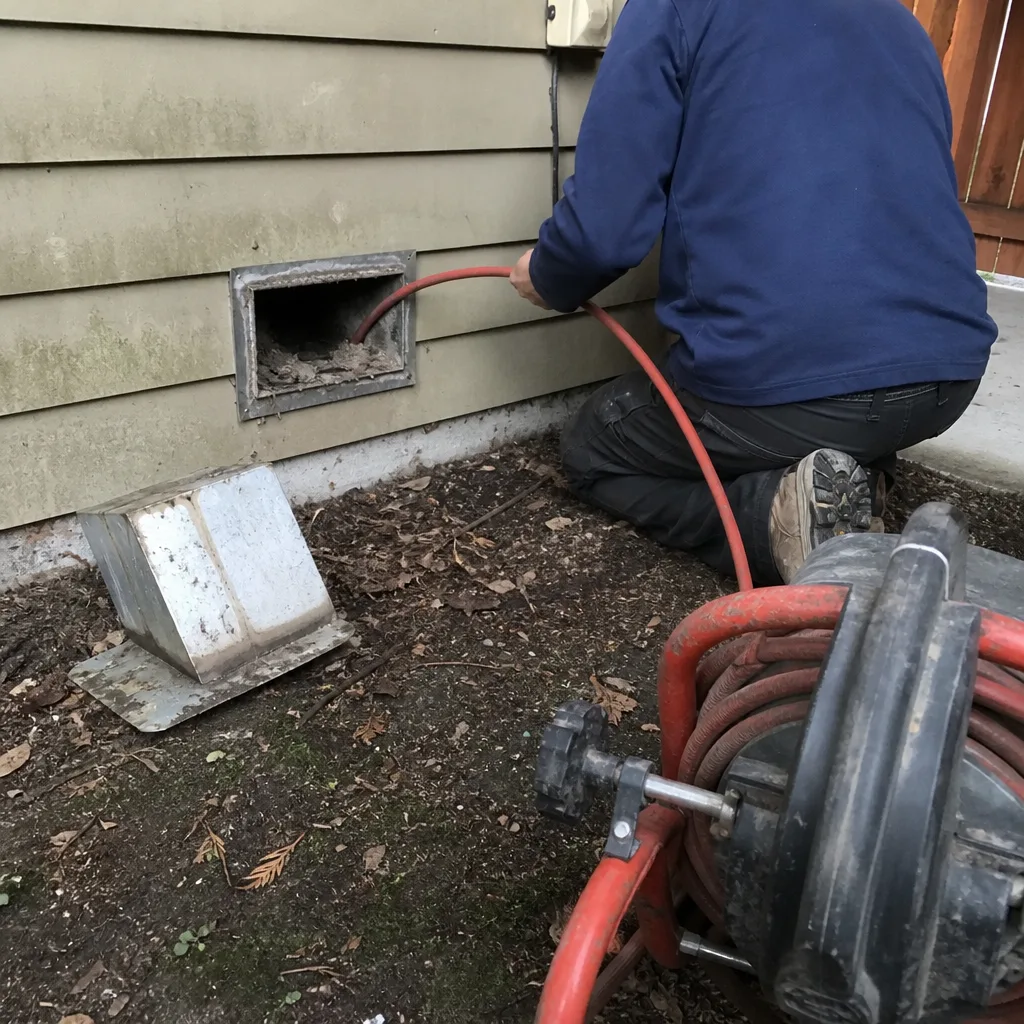
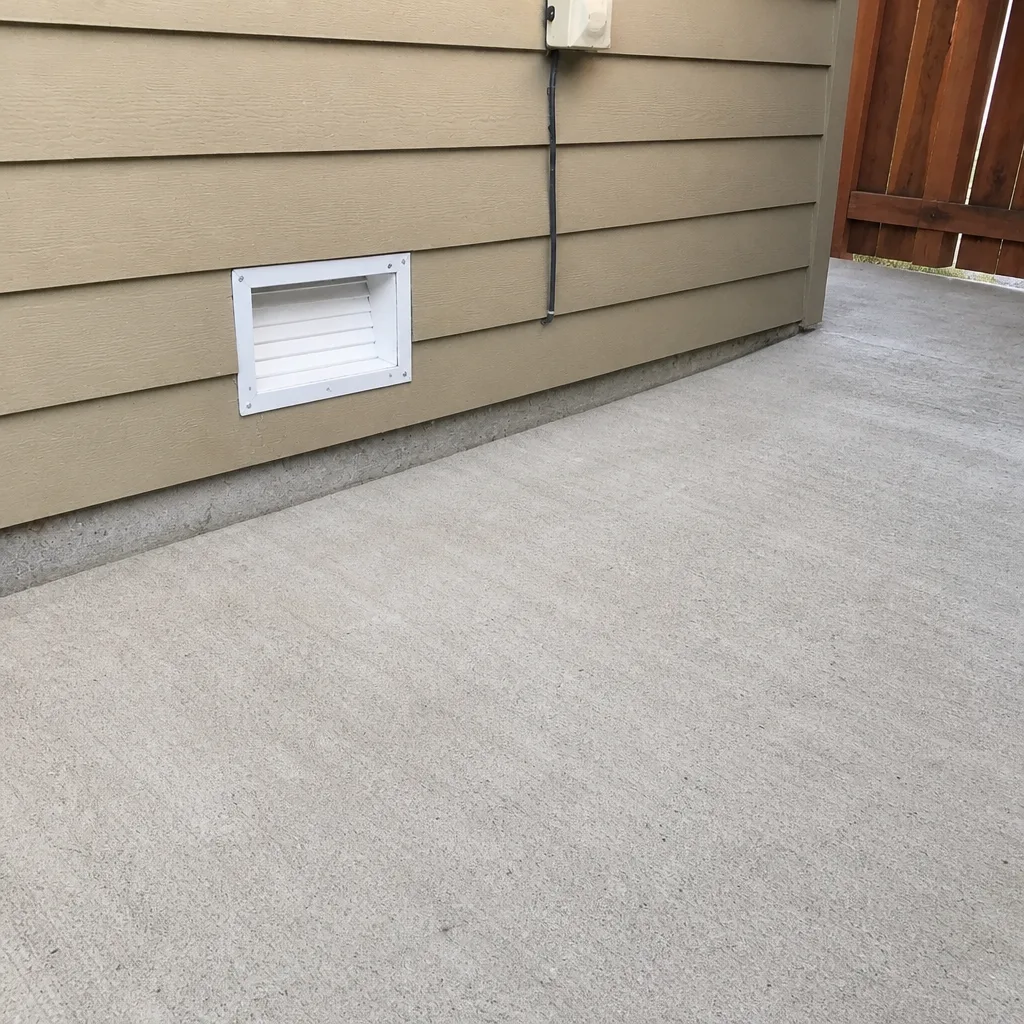
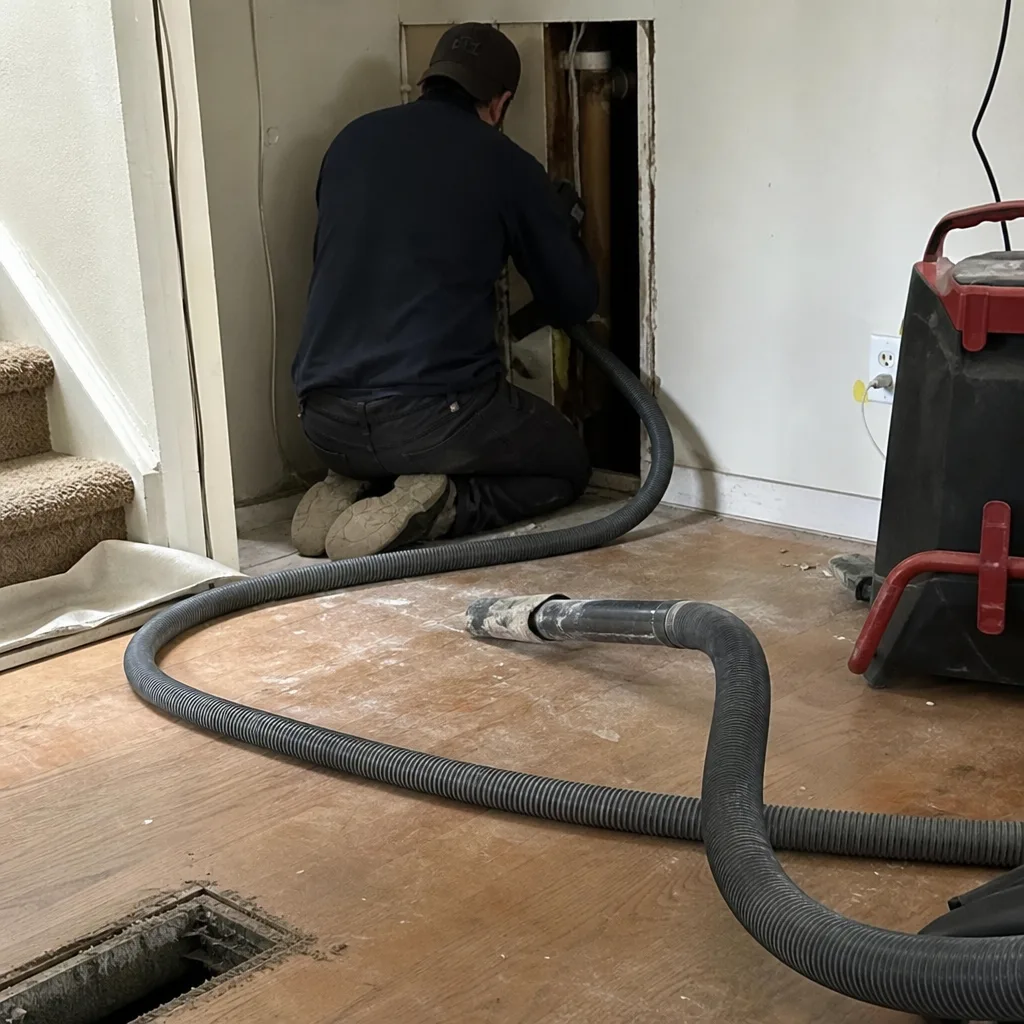
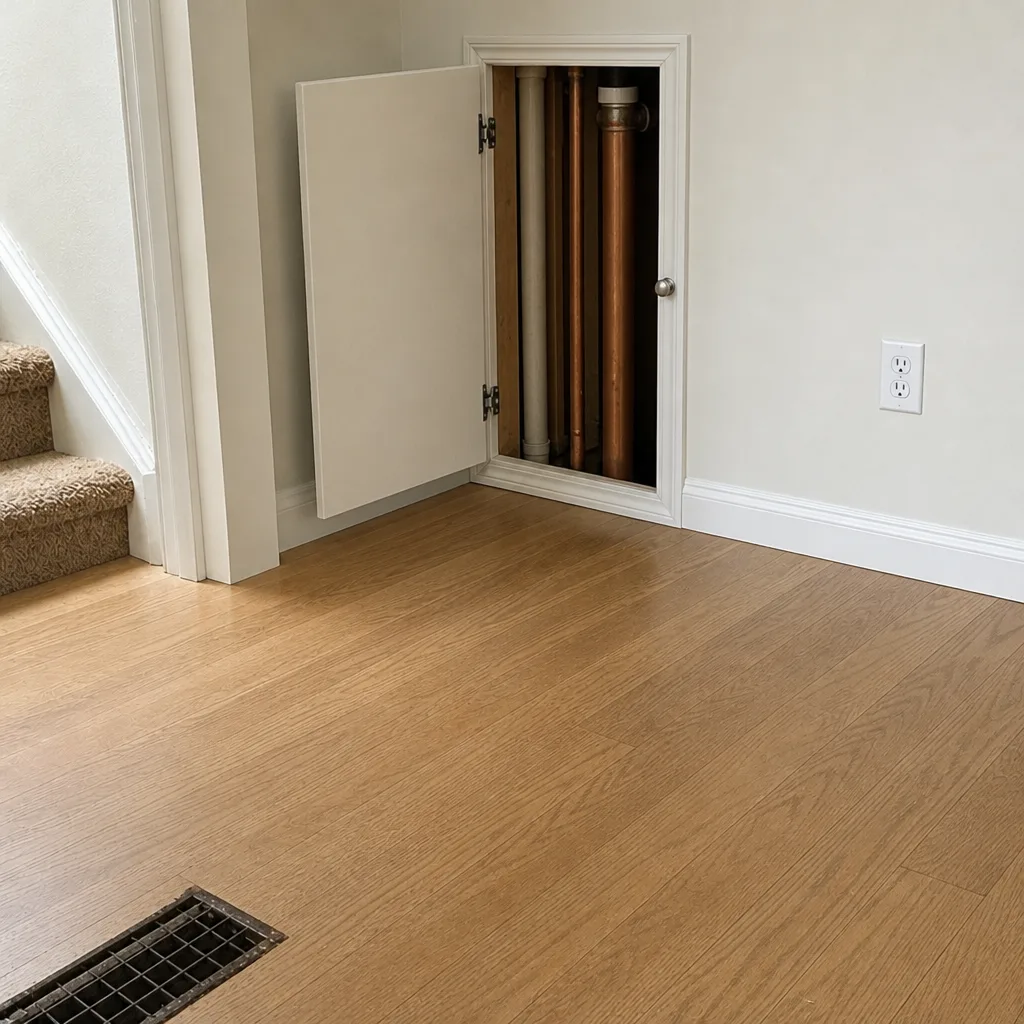
Whole-system duct and dryer vent check with before-and-after photos - you see exactly what came out of your vents
That "$99 whole-house special" is a bait ad - the real number appears once they are in your hallway, or the "clean" is a shop-vac at the register. We photograph the inside of your ducts before and after instead.
Air Duct Cleaning Maintenance Checklist for Issaquah Homeowners
Most duct maintenance checklists floating around online were written for a generic suburban house in a dry climate. They tell you to change the filter every three months and call it a year. That advice has almost nothing to say about the condensation that forms inside flex duct runs in a crawlspace, the moisture that creeps into attic ductwork when Issaquah gets its long stretch of gray drizzle, or the fine particulate that drifts over the valley when wildfire smoke from eastern Washington settles in. This guide is built differently. Every checkpoint below is something you can actually observe and act on, with a clear threshold that tells you whether a DIY step is enough or whether it’s time to bring in a professional. By the end, you’ll know what to check monthly, quarterly, and yearly, and how to log it all so you have documented history before you sell or refinance.
Quick Answer
A workable air duct maintenance routine for an Issaquah home means checking your filter monthly and replacing it based on what you actually see (not a fixed calendar), inspecting accessible duct runs and the air handler quarterly for moisture, dust buildup, and pest evidence, and scheduling a professional full-system cleaning every two to four years or sooner if you notice visible debris, musty odors, or a recent renovation. The checkpoints that matter most in Issaquah’s climate are moisture intrusion in crawlspace and attic duct runs and filter selection tuned to seasonal smoke and pollen events.
Styles & brands we work with
- Whole-home duct cleaning
- Dryer vent cleaning
- Camera inspection
- Sanitizing & deodorizing
Table of Contents
- Why Generic Duct Checklists Fail Issaquah Homes
- Monthly Checks You Can Do in Five Minutes
- Quarterly Checks: What Needs Eyes-On Access
- Reading the Signs of Moisture Intrusion
- Choosing the Right Filter for Issaquah’s Seasons
- The Annual Deep Check and Cleaning Cycle
- How to Log Duct Condition Over Time
- Threshold Triggers: When Monitoring Becomes a Service Call
Why Generic Duct Checklists Fail Issaquah Homes
Issaquah sits in a valley where the climate does a specific set of things to a house. Winters are wet and mild rather than cold and dry. Springs bring a heavy pollen load from the surrounding forest. Summer and early fall can pull wildfire smoke across the Cascades from eastern Washington, and that smoke doesn’t stay outside. Each of those conditions loads your duct system differently, and a checklist that ignores them is really just a filter reminder with extra steps.
The other problem is that most checklists treat every task as equally urgent and equally DIY-friendly. They aren’t. Some checks take thirty seconds at a return register and tell you a lot. Others require you to open an access panel or crawl into an attic, and some of those are genuinely worth leaving to a trained technician. Sorting tasks by how you assess them, not just when, is what makes a checklist usable.
Here’s the framework this guide uses. We break every task into one of three access levels:
- Register-level: anything you can assess by looking at or reaching into a supply or return register. No tools, no ladder, no risk.
- Filter-slot level: anything visible at the air handler’s filter slot or return grille. You may need a flashlight but nothing more.
- Eyes-on access: duct runs in a crawlspace, attic, or mechanical closet, plus the air handler cabinet itself. This is where a trained technician adds real value, and where moisture problems announce themselves.
Once you know which level a task belongs to, the schedule builds itself. Register and filter-slot checks are cheap and frequent. Eyes-on checks are less frequent and, for many homeowners, better done by a professional who knows what a compromised duct run looks like. That distinction is the backbone of everything below, and it’s why a maintenance routine for a home in the Issaquah valley looks different from the generic one-page printable most people start with.
If you’d rather hand the whole assessment to a professional crew from the start, our air duct cleaning service covers the full system in a single visit, and you can read about the full scope on the Issaquah Air Duct Cleaning Pros home page.
Monthly Checks You Can Do in Five Minutes
Monthly checks are all register-level or filter-slot level. None of them require tools, a ladder, or opening anything that could get you into trouble. The point is to catch change early, because a duct problem you notice in month one is far cheaper than one you notice in year three.
- Look at the filter, don’t just date it. Pull the filter and hold it up to a light. If you can’t see light through it evenly, it’s due regardless of how long it’s been in. In Issaquah, a filter can load fast during a smoke event and stay clean for months during a mild, wet stretch.
- Check every supply register for even airflow. Hold your hand a few inches from each one. A register that’s noticeably weaker than the others on the same floor is the first sign of a crush, a disconnect, or a damper that’s drifted shut.
- Wipe the inside of one return grille with a white cloth. Light gray dust is normal. Black smudges, sticky film, or a visible ring of buildup around the grille edges suggests the system is pulling in something it shouldn’t.
- Sniff the air at a return while the system runs. A musty or earthy smell points to moisture somewhere in the runs. A sharp, dusty smell after the system has been off points to settled debris getting stirred up.
- Listen at the air handler for a minute. Rattles, whistles, or a new hum are worth writing down even if you can’t diagnose them yet.
- Note any new condensation on supply grilles. A little is normal on a humid day. Persistent condensation on multiple registers deserves a closer look.
Log what you see each month, even if the entry is “nothing unusual.” The log is the whole point. A year of consistent entries gives you a baseline, and a baseline is what lets you spot a real change instead of guessing whether the ducts have always smelled like that.
One caution here: monthly checks are about observation, not disassembly. Don’t remove grilles that are screwed in, don’t reach deep into a return, and don’t open the air handler cabinet. Those steps belong to the eyes-on level, and an untrained hand can easily disconnect a flex run or disturb a seal.
Quarterly Checks: What Needs Eyes-On Access
Quarterly checks are where the checklist gets real. Some of these you can do if you’re comfortable and have safe access. Others are best handed to a technician who knows what to look for and has the equipment to document it. Be honest with yourself about which category you fall into.
Filter-slot level (safe for most homeowners)
- Inspect the filter slot itself for gaps. A slot that doesn’t seal means unfiltered air is bypassing the filter and coating the air handler and duct interior with dust.
- Check for rust, staining, or water marks around the filter slot and the base of the air handler. This is the first place moisture shows up when condensate isn’t draining properly.
- Look at the return plenum for loose tape or separated seams. Failed tape joints are one of the most common sources of duct leakage.
Eyes-on access (call a professional, or proceed only with safe access and experience)
- Walk the accessible duct runs in the crawlspace and attic. Look for sagging flex duct, crushed sections, disconnected joints, and any run resting directly on the ground or on joists without support.
- Check the duct insulation wrap for tears. A torn vapor barrier on a crawlspace run is an open invitation for moisture to condense inside the insulation.
- Inspect the crawlspace floor and the attic deck for damp spots, efflorescence, or standing water near duct runs.
- Look for pest evidence: droppings, nesting material, chewed flex duct, or gaps where a duct penetrates a wall or floor.
- Check the condensate drain line and pan at the air handler for clogs or overflow.
The Issaquah-specific twist is moisture. Our wet winters mean a crawlspace can stay humid for months, and flex duct with a compromised vapor barrier will collect condensation on the inside of the insulation. You often can’t see that from the register. You see it when you walk the run, which is exactly why the eyes-on level exists. If a quarterly walk turns up damp insulation, don’t just dry it and move on. Moisture inside duct insulation is a threshold event, and the section below explains why.
If the walkthrough reveals damage, our HVAC cleaning service includes the assessment that tells you whether a run needs repair and resealing or replacement.
Reading the Signs of Moisture Intrusion
Moisture is the single most consequential thing to watch for in Issaquah duct systems, and it’s also the thing most generic checklists skip entirely. Wet duct insulation doesn’t just reduce efficiency. It creates the conditions for microbial growth inside the system, and that growth is what produces the musty smell homeowners notice first. The trick is that the smell usually shows up at the register long after the moisture started in the crawlspace.
Here’s what to look for, and what each sign usually means:
- Damp or darkened insulation wrap on a crawlspace run. The vapor barrier has failed and moisture is condensing inside the insulation. This is the most common moisture finding in Issaquah crawlspaces and it rarely self-corrects.
- Water staining on the attic deck near a duct run. Attic duct insulation that’s sweating, or a roof leak tracking down onto a run. Either way, the duct is wet.
- Rust on the air handler cabinet or the filter slot frame. Condensate is not draining as it should, or humid air is reaching metal that should stay dry.
- Efflorescence (white chalky deposits) on the crawlspace floor or foundation wall. Moisture is moving through the space, and duct runs in that space are breathing it.
- Persistent musty odor at one or more registers, especially the lowest ones. Microbial growth somewhere in the system. The lowest registers usually show it first because moisture and spores settle downward.
- Condensation on the outside of supply boots during humid stretches. Usually minor, but worth logging and watching for a pattern.
Two of these signs are monitor-and-watch. Rust on a cabinet, or light condensation on a boot, is worth logging and rechecking next quarter. The rest are call-for-service. Damp insulation, water staining near a run, efflorescence in a crawlspace shared with ductwork, and a persistent musty smell all point to a problem that a register-level inspection can’t resolve.
When moisture has been present, mechanical cleaning alone won’t finish the job. Our crew uses Abatement Technologies negative-air equipment to contain the work area and keep disturbed particulate from migrating through the house while we clean. After the ducts are clean and dry, a Guardsman-backed sanitizing treatment provides a documented layer of microbial protection that goes beyond what vacuuming alone can do. That’s the difference between cleaning a wet system and actually correcting it.
If you’re seeing any of the call-for-service signs, don’t wait for the annual cycle. A free estimate costs you nothing and tells you whether the moisture is a one-run problem or a whole-system one.
Choosing the Right Filter for Issaquah’s Seasons
Filter selection is where a lot of homeowners overshoot. The instinct is to buy the highest MERV rating on the shelf and feel good about it. That instinct can backfire, because a filter that’s too restrictive for your air handler’s blower will drop airflow, increase static pressure, and stress the system. The right filter is the one that matches both your equipment and the seasonal load in the Issaquah valley.
Here’s a practical selection guide built around the conditions we actually get here:
- MERV 8 as the baseline for most homes. This is a solid everyday choice that captures the bulk of household dust and pollen without overloading a typical residential blower. If your equipment manual specifies a rating, follow it.
- MERV 11-13 during wildfire smoke events. When smoke from eastern Washington drifts into the valley, stepping up to a higher-efficiency filter for the duration of the event makes sense, provided your system can handle the restriction. Rotate back to your baseline filter once the air clears, and change the smoke filter promptly because it loads fast.
- MERV 8-11 during the spring pollen push. The forest pollen load around Issaquah is heavy, and a filter that’s catching it well will load faster than you expect. Check it more often in April and May.
- Baseline or slightly higher in the wet winter months. Winter dustiness here is mostly fine household dust and whatever the crawlspace is contributing. The main winter risk is moisture, not particulate, so don’t reach for a restrictive filter hoping it solves a smell.
- Change on condition, not calendar. A filter that ran through a smoke event may be spent in two weeks. A filter that ran through a mild, wet month may still be fine at eight weeks. Look at it.
If you want more filtration capacity than a standard 1-inch filter slot can provide, a media cabinet upgrade is worth discussing. We carry Honeywell and Aprilaire product lines, which means we can recommend and install a filtration or purification upgrade in the same appointment as the cleaning rather than sending you to a separate contractor. That’s part of what “one call covers the whole system” means in practice.
Whatever filter you choose, seal the slot. A high-MERV filter in a leaky slot is worse than a modest filter in a tight one, because the bypass air carries dust straight past the filter and onto the coil.
The Annual Deep Check and Cleaning Cycle
The annual cycle is when you step back and look at the whole system rather than individual checkpoints. A full professional assessment covers the air handler, the supply and return runs, the registers, the coil, and the condensate system, and it produces a documented picture you can compare year over year. This is also the point where cleaning, repair, and sealing get handled together instead of in separate visits from separate contractors.
How often does a full cleaning actually need to happen? For most Issaquah homes, every two to four years is a reasonable interval, but that’s a starting point rather than a rule. Pull the interval shorter if any of these apply:
- You’ve had a renovation, especially one that involved drywall, flooring, or demo work. Construction dust gets pulled into the returns and stays there.
- You’ve had a wildfire smoke event push through the valley since the last cleaning.
- You’ve found moisture in a crawlspace or attic duct run.
- You have pets, or anyone in the household with significant allergy or respiratory sensitivity.
- You’ve noticed visible debris at the registers or a smell that didn’t go away after a filter change.
- You’ve never had the system cleaned and don’t know its history.
The annual deep check is also when duct repair and sealing get evaluated. Ducts that leak at the joints pull attic or crawlspace air into the system, which means you’re paying to condition air you never wanted inside. Sealing those joints is often the highest-value item on the whole checklist, and it’s a step a cleaning-only service can’t complete. When we clean, we also note what we find, and we repair what we find in the same engagement.
Our technicians use Rotobrush contact-cleaning systems and Nikro industrial HEPA vacuums, the same class of equipment NADCA-certified professionals rely on. That matters at the annual cycle because a contact-cleaning head reaches the duct walls in a way a shop-vac style setup never will, and the HEPA vacuum holds the debris it mobilizes. It’s industrial-grade equipment applied with residential-level care, and it’s what makes the annual assessment worth doing rather than just repeating.
If it’s been more than four years, or you simply don’t know when the system was last cleaned, that’s your trigger. A free estimate will tell you what the system actually needs.
How to Log Duct Condition Over Time
A duct log sounds like a chore until the moment you need it. Homeowners who are selling or refinancing get asked about the condition of the home’s systems, and a written history that shows routine maintenance and documented repairs is worth real money in a negotiation. It also protects you in a warranty discussion or an insurance claim, because you can show what the system looked like before and what changed.
You don’t need anything fancy. A notebook, a spreadsheet, or a notes app all work. Here’s what each entry should capture:
- Date and access level. Note whether the check was register-level, filter-slot level, or eyes-on.
- Filter details. MERV rating, when it was installed, and what condition it was in when you pulled it.
- Airflow observations. Note any register that seemed weaker than the others, and whether it’s a new finding or a recurring one.
- Odor and dust observations. Describe smells in plain words. “Musty, strongest at the lowest return” tells a technician more than “smells bad.”
- Moisture notes. Damp insulation, staining, rust, efflorescence. Note the location and how much.
- Professional visits. Keep the written estimate and the service record for every cleaning, repair, or sealing appointment. Include what was cleaned, what was repaired, and what was recommended.
- Before-and-after photos. When a professional cleans your system, ask for before-and-after photos of your own ducts. Keep them with the log. Photos are the single most useful piece of documented history you can hold, and they settle any later question about whether the work was done.
Review the log once a year during the annual deep check. Patterns that look like isolated incidents month to month often turn out to be a slow trend when you see them side by side. A register that’s been “a little weak” for three years is a duct problem, not a quirk.
If you’ve never kept a log, start now rather than trying to reconstruct the past. The first entry is the most valuable one, because it establishes your baseline. Everything after it is measured against that.
Threshold Triggers: When Monitoring Becomes a Service Call
Most of this checklist is about watching. This section is about the specific things you see, smell, or find that flip a task from “monitor” to “call for service.” These are the thresholds we’d use if we were standing in your home doing the assessment ourselves.
Call for service if you observe any of these:
- Damp, darkened, or compressed insulation on any accessible duct run. Moisture in duct insulation is the highest-priority finding on this list because it compounds. It reduces efficiency, feeds microbial growth, and often means the vapor barrier has already failed.
- Water staining, standing water, or a persistently damp spot near a duct run in the crawlspace or attic.
- A musty, earthy, or mildew smell that persists at a register after a filter change and a few days of normal operation.
- Visible debris, black smudges, or sticky residue at multiple registers.
- Pest evidence in or near ductwork: droppings, nesting material, chewed flex duct, or a gap where a run penetrates a wall or floor.
- A duct run you can see is disconnected, crushed, or sagging hard.
- Weak airflow at one or more registers that didn’t resolve after a filter change.
- Any visible microbial growth inside a register or at an air handler access panel.
- A renovation that involved significant drywall or demo work since the last cleaning.
Monitor and recheck next quarter if you observe:
- Light, even dust inside a return grille.
- A small amount of condensation on a supply boot during a humid stretch.
- Rust on a cabinet exterior with no corresponding moisture finding.
- A faint dust smell at startup after the system has been off for weeks.
The dividing line is simple: things that could be growing, leaking, or letting unfiltered air into the system are service calls. Things that are just dust or a one-time observation get logged and rechecked. When in doubt, call. A free estimate is a low-cost way to settle a question that’s been nagging you, and it’s better than waiting a year to find out the crawlspace has been damp since spring.
If you’re not sure which category a finding belongs to, call (877) 792-6439. We answer 24/7. Fast dispatch from 7am to 7pm, Sunday through Friday.
Common Mistakes to Avoid
- Changing the filter on a calendar instead of on condition. A filter that ran through a wildfire smoke event may be fully loaded in two weeks, while one that ran through a wet Issaquah month may still be clean at eight. Look at the filter and hold it to the light.
- Buying the highest MERV rating the shelf offers. A restrictive filter on a blower not designed for it drops airflow and stresses the system. Match the filter to the equipment manual and step up only when the seasonal load calls for it.
- Ignoring the crawlspace because the registers look fine. In Issaquah, the crawlspace is where moisture problems start, and register-level checks won’t catch a damp insulation wrap until the musty smell reaches the living space. Walk the runs periodically or have a professional do it.
- Treating duct cleaning and duct repair as separate projects. A cleaning that doesn’t address a disconnected or crushed run leaves the system pulling unfiltered air the moment the crew leaves. Cleaning, repair, and sealing belong in the same engagement.
- Skipping the log because “nothing ever changes.” The log is what lets you spot a slow trend and what gives you documented history at sale or refinance. Without it, every question about the system’s condition becomes a guess.
- Accepting a cleaning without before-and-after photos. Photos of your own ducts are the only verifiable proof the work was done. Ask for them and keep them with your log.
- Waiting for a smell to get bad before calling. By the time a musty odor is obvious in the living space, moisture has usually been present in the crawlspace for a while. The threshold triggers above exist so you don’t have to wait for that.
See the difference
 Before
 After
 Before
 After
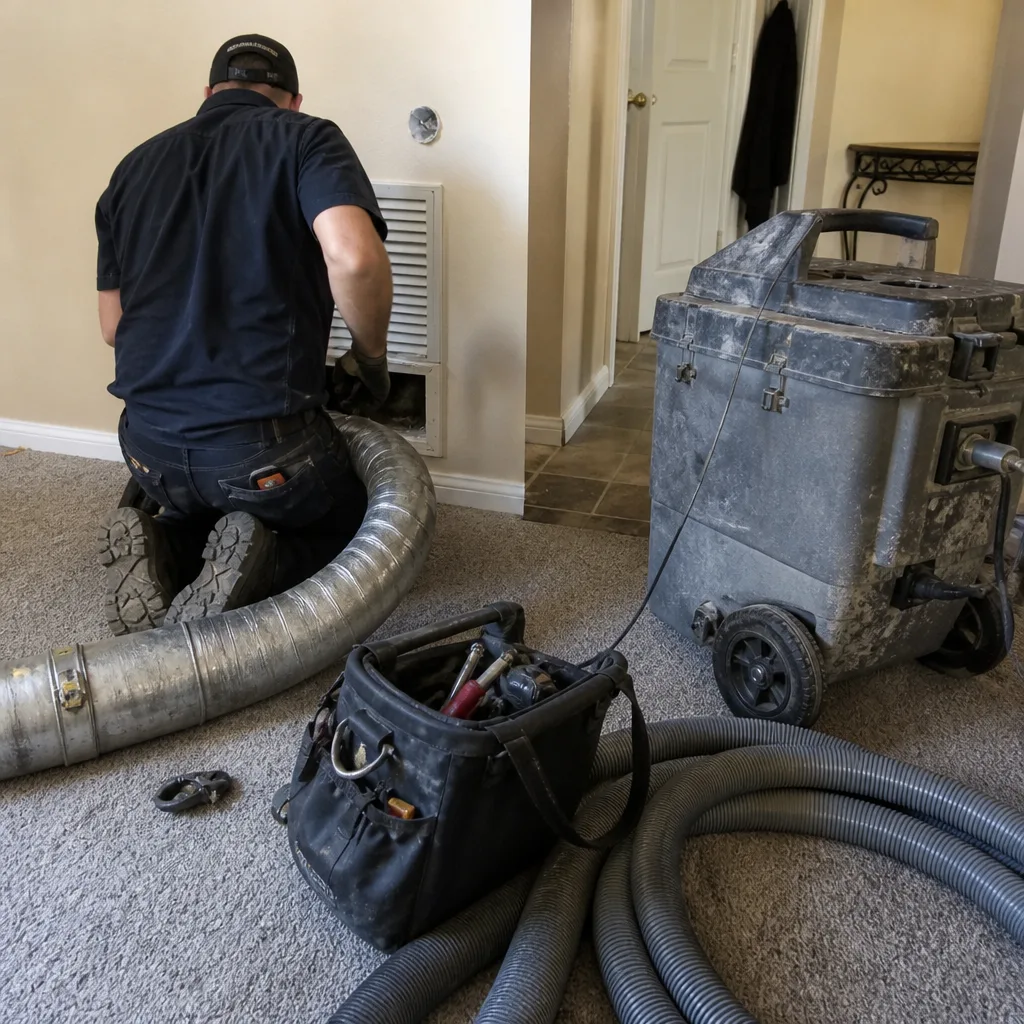 Before
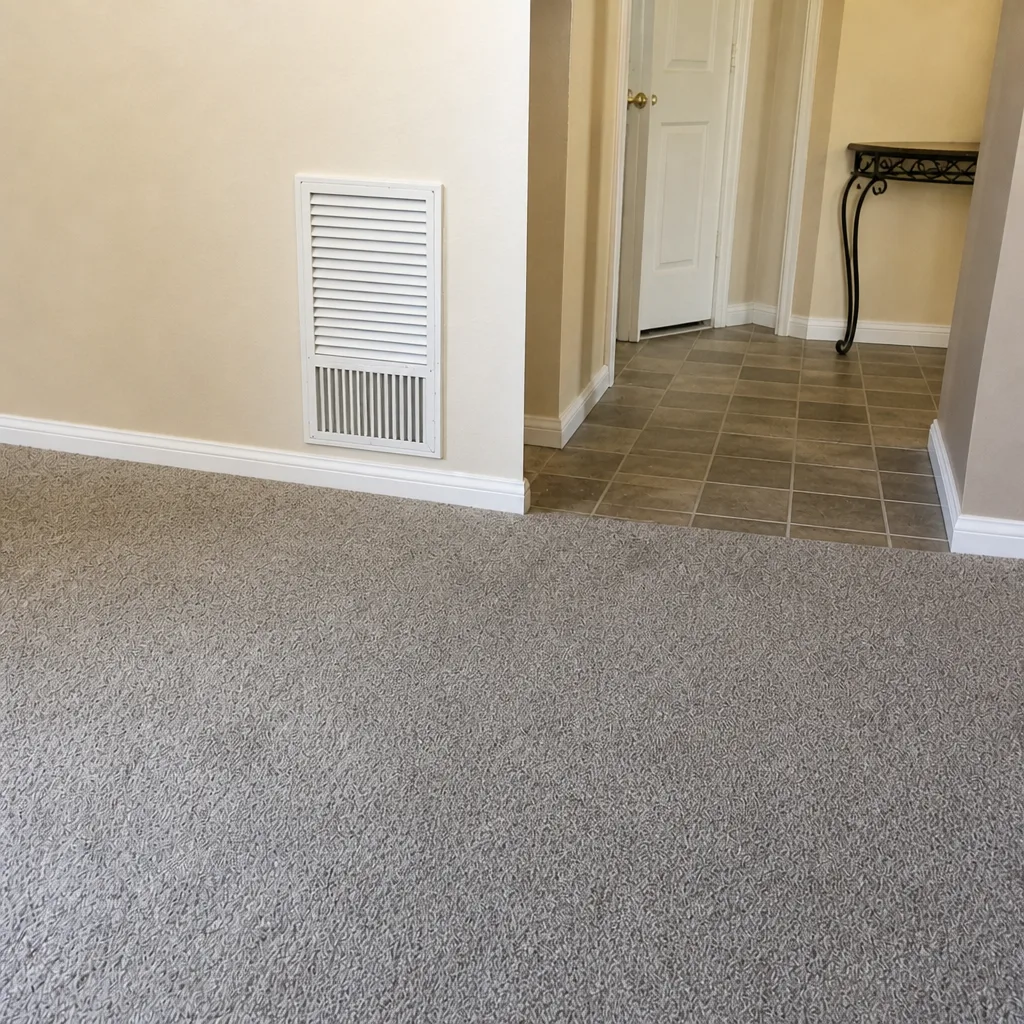 After
When to Call a Professional
Call a professional when any of the threshold triggers in this guide show up: damp insulation on an accessible run, water staining near ductwork, a persistent musty smell at a register, pest evidence, visible microbial growth, a disconnected or badly crushed run, or weak airflow that didn’t resolve after a filter change. Also call if it’s been more than four years since the last cleaning, if you’ve had a renovation, if a wildfire smoke event has pushed through the valley since the last service, or if you simply don’t know the system’s history. Some of these are one-visit fixes. Others need cleaning, repair, sealing, and a sanitizing treatment handled together, and that’s exactly the kind of full-system work we do.
Issaquah Air Duct Cleaning Pros offers free estimates in Issaquah. Call (877) 792-6439. We answer 24/7. Fast dispatch from 7am to 7pm, Sunday through Friday.
Frequently Asked Questions
Every two to four years is a reasonable starting interval for most Issaquah homes, but the right answer depends on what’s happened to the system since the last cleaning. Pull that interval shorter after a renovation, a wildfire smoke event, a moisture finding in the crawlspace or attic, or if anyone in the household has significant allergy or respiratory sensitivity. Call (877) 792-6439 for an exact quote based on your system, estimates are free.
The most important monthly check is the filter, assessed by condition rather than by date. Hold it up to a light and see whether light passes through evenly. After that, check airflow at each supply register with your hand, sniff the air at a return, and wipe the inside of one return grille. Those four checks take about five minutes and catch most early warning signs.
Look for damp or darkened insulation wrap on accessible duct runs, water staining or efflorescence in the crawlspace, rust around the filter slot or air handler cabinet, and a persistent musty smell at the lowest registers. Any of those are service-call triggers. Moisture in duct insulation rarely self-corrects, and it’s the most common serious finding in Issaquah crawlspaces because our wet winters keep those spaces humid for months.
Cheap quotes usually reflect a narrower scope: a single pass with consumer-grade equipment, no repair or sealing, no containment, and no before-and-after documentation. The bait-and-switch reputation in this industry comes from low teaser prices that grow once a technician is on site. We work on one flat price per system, agreed in writing before any work starts, with no per-vent pricing. Call (877) 792-6439 for an exact quote, estimates are free.
Ask for before-and-after photos of your own ducts and keep them with your maintenance log. Photos are the only piece of evidence that settles the question later, whether you’re selling, refinancing, or filing a warranty claim. We photograph before-and-after on every job, and the crew uses Rotobrush contact-cleaning systems and Nikro industrial HEPA vacuums so the work is verifiable rather than assumed.
After, once the dust has settled and the construction phase is fully finished. Renovations pull large volumes of drywall and demo dust into the return system, and cleaning before the work is done wastes the visit. If the renovation ran long or involved heavy demo, note it in your log and check the filter more often during the project. Call (877) 792-6439 to schedule once the work is complete, estimates are free.
The Bottom Line
A duct maintenance routine for an Issaquah home comes down to matching each task to the right access level and watching the right conditions. Check the filter monthly by condition, not calendar. Do register and filter-slot checks yourself. Leave the crawlspace and attic walkthroughs to someone who knows what damp insulation, crushed flex runs, and pest evidence actually look like. Log everything, including the boring months, so you have documented history when it counts. And learn the threshold triggers so you know when monitoring becomes a service call rather than waiting for a smell to get bad. The climate here does specific things to ductwork, and a checklist built around those things will always outperform a generic one. If you’d rather have the whole system assessed in one visit, our dryer vent cleaning service runs alongside a duct cleaning appointment, and we can handle both together.
Call (877) 792-6439 for a free estimate. We answer 24/7. Fast dispatch from 7am to 7pm, Sunday through Friday.
Written by the team at Issaquah Air Duct Cleaning Pros.