
Last updated November 25, 2026
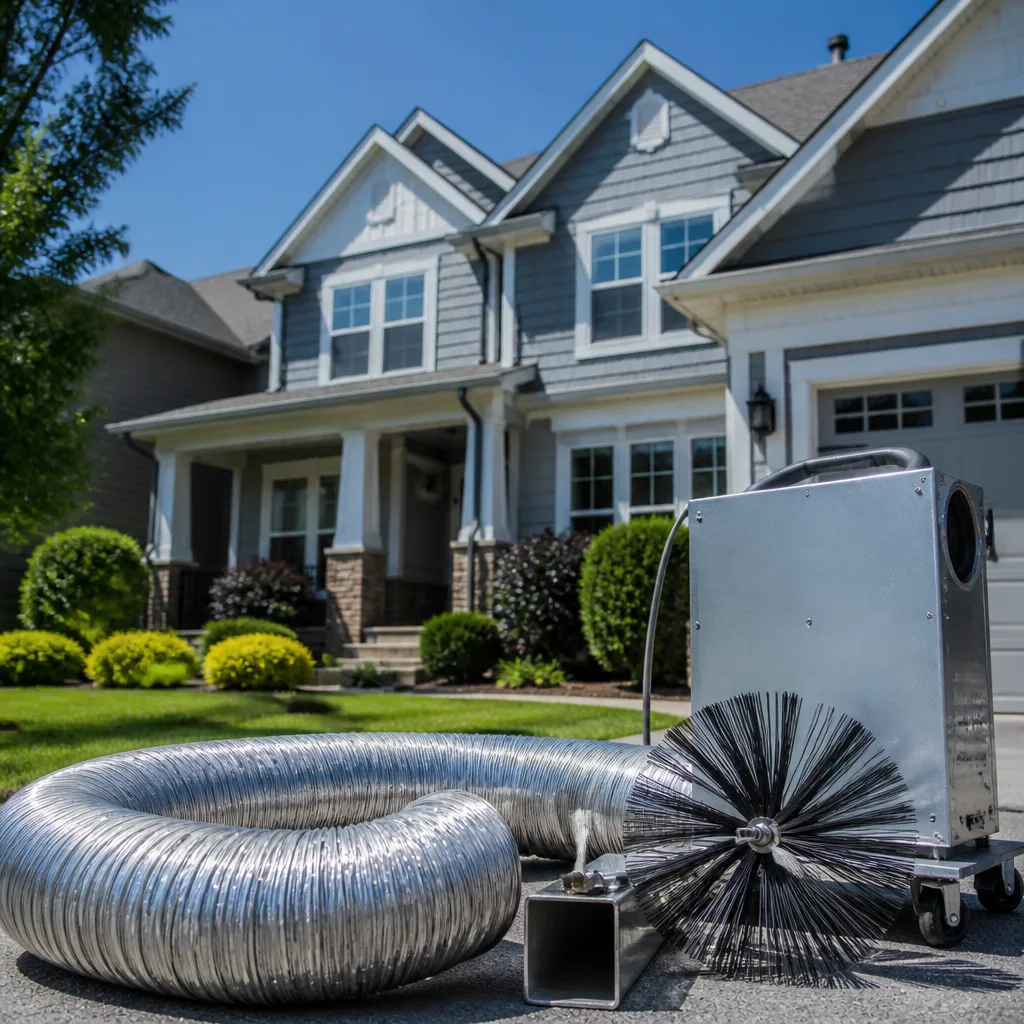 Whole-home duct cleaning
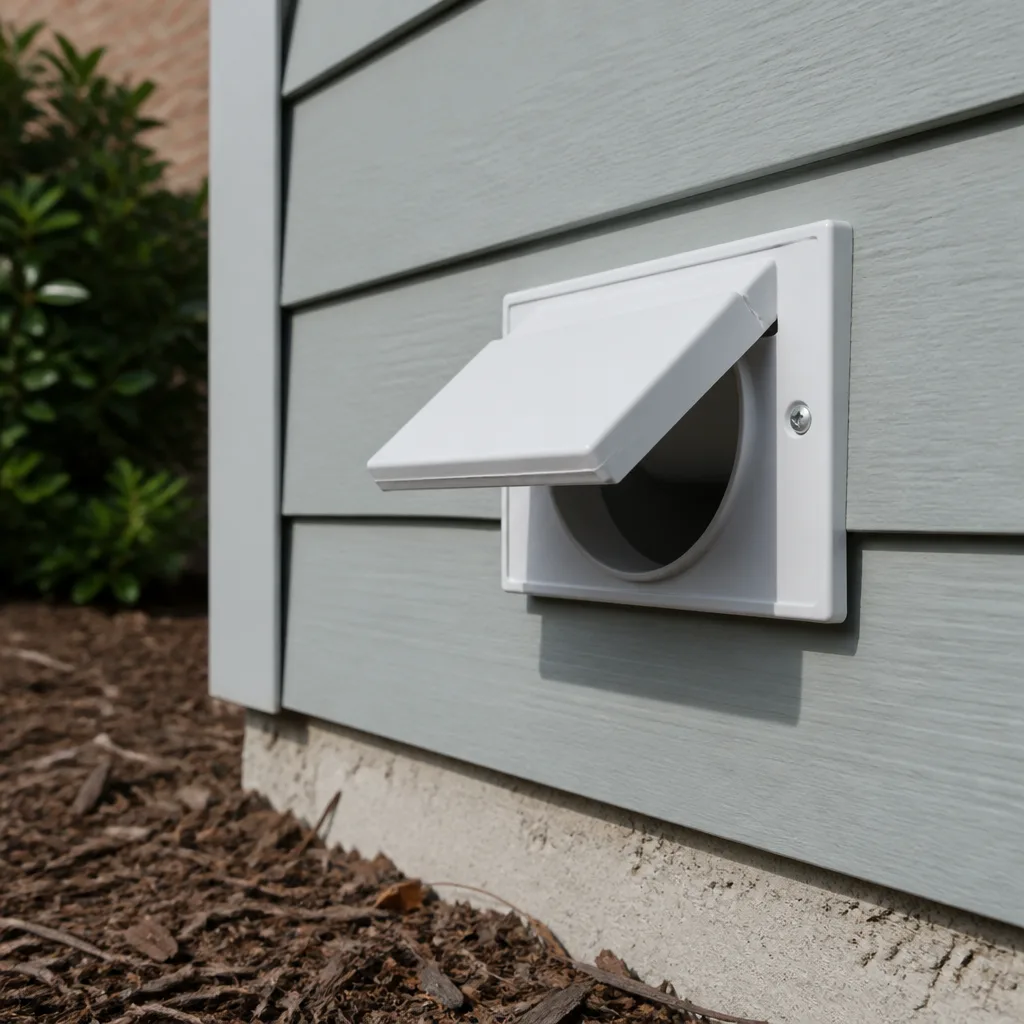 Dryer vent cleaning
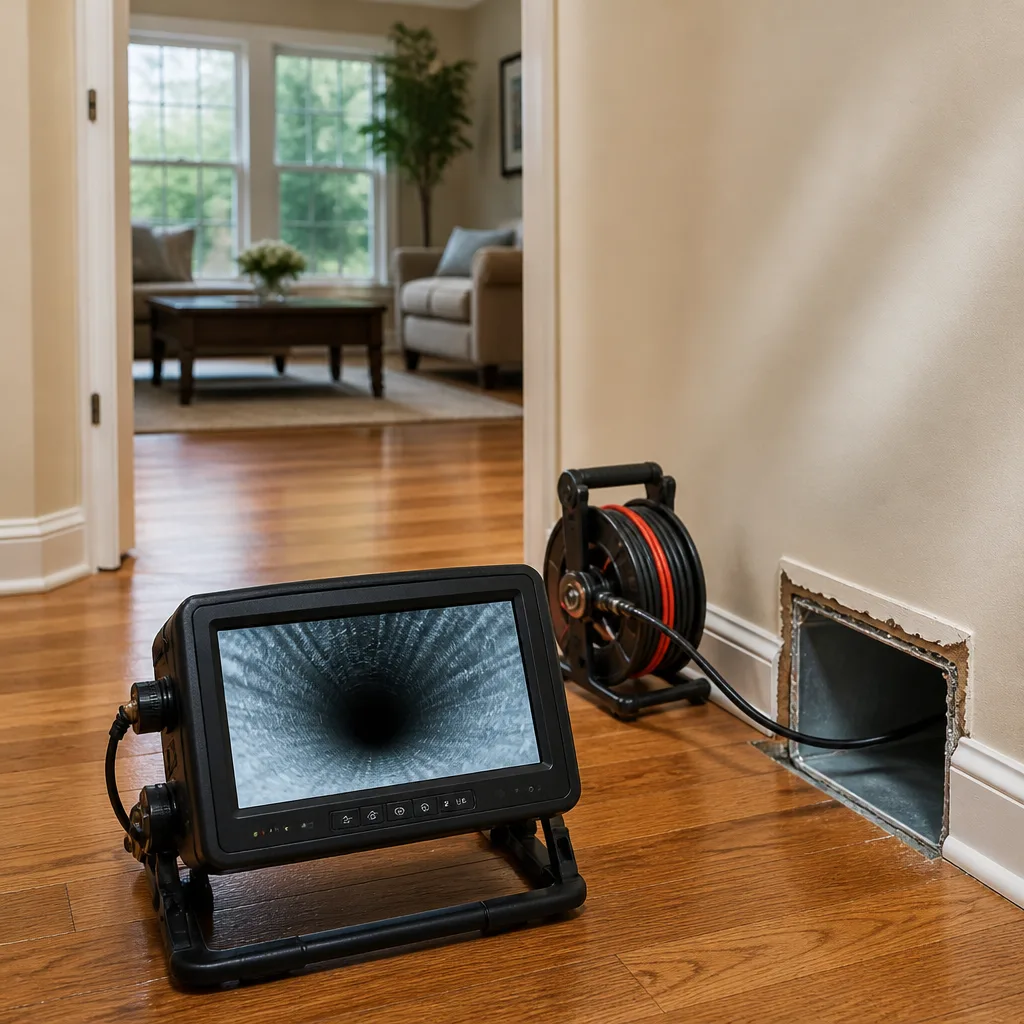 Camera inspection
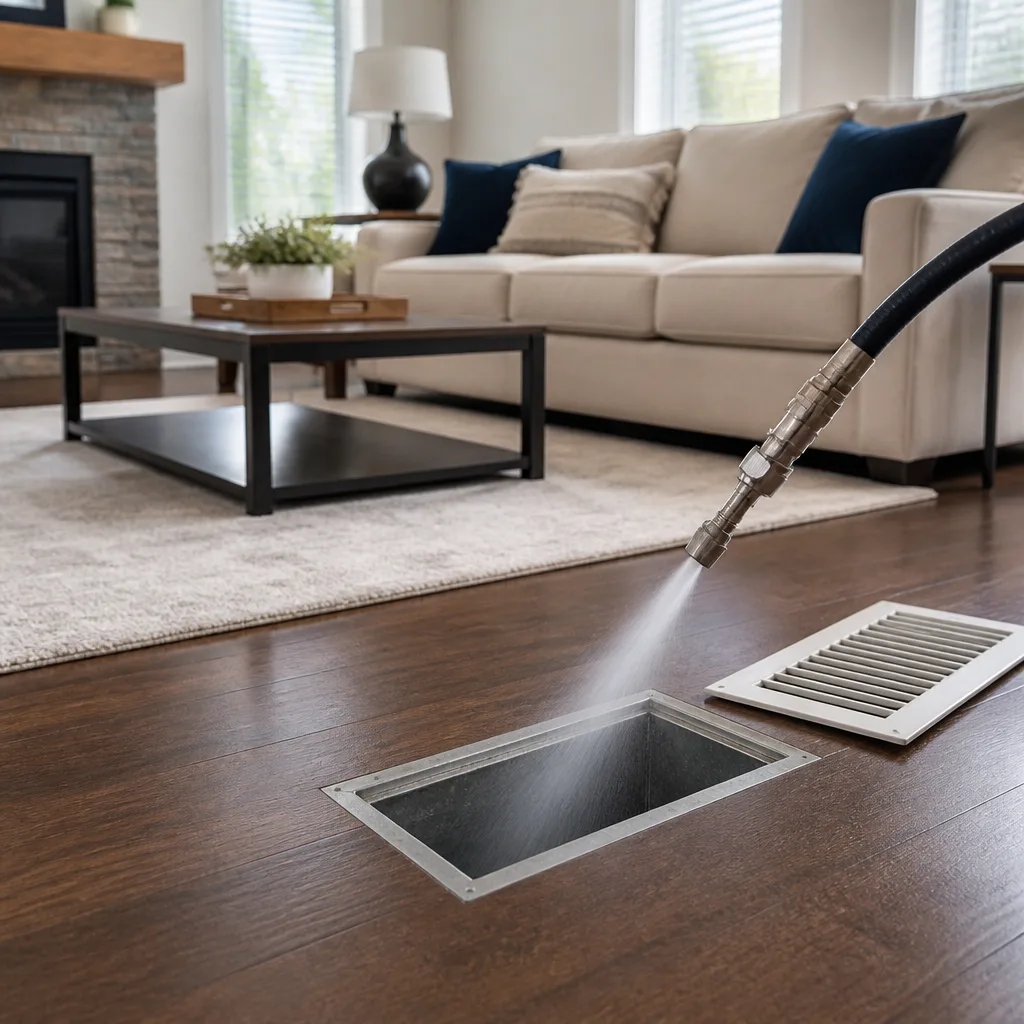 Sanitizing & deodorizing
Whole-system duct and dryer vent check with before-and-after photos - you see exactly what came out of your vents
That "$99 whole-house special" is a bait ad - the real number appears once they are in your hallway, or the "clean" is a shop-vac at the register. We photograph the inside of your ducts before and after instead.
Air Duct Cleaning Troubleshooting in Issaquah: Common Problems and How to Fix Them
Here’s the mistake we see most often: a homeowner in Issaquah decides the air feels stale, books a duct cleaning, and then can’t figure out why the bedroom over the garage is still freezing in January. The ducts weren’t dirty. They were disconnected, crushed, or leaking somewhere behind a wall. Cleaning a broken system just gives you clean air leaking into the crawlspace. This guide walks you through the troubleshooting steps we use in the field, so you can tell the difference between a dirty-duct problem and a duct-system problem before you spend a dollar. You’ll learn what each smell means, how to test airflow room by room, and when the fix is repair and resealing rather than another cleaning cycle.
Quick Answer
Many duct problems that look like cleaning issues are actually broken duct symptoms – disconnected joints, crushed flex runs, and leaking seams that cleaning alone can’t solve. In Issaquah, those failures show up in specific ways: rooms with no airflow, mold or musty smells that return after cleaning, and energy bills that climb while comfort drops. Diagnose the symptom first, then decide between cleaning, repair, and resealing. Cleaning matters, but it’s rarely the whole answer.
Styles & brands we work with
- Whole-home duct cleaning
- Dryer vent cleaning
- Camera inspection
- Sanitizing & deodorizing
Table of Contents
- Dirty-Duct Symptoms vs. Broken-Duct Symptoms
- The Room-by-Room Airflow Test
- What Each Smell Tells You
- Why Low Airflow After Cleaning Usually Means a Crushed Duct
- When Repair or Resealing Is the Fix
- Issaquah-Specific Factors That Affect Your Ducts
- Common Mistakes to Avoid
- Frequently Asked Questions
Dirty-Duct Symptoms vs. Broken-Duct Symptoms
The single most useful distinction in duct troubleshooting is between symptoms caused by accumulated dust and symptoms caused by a broken system. Dirty ducts and broken ducts produce different evidence, and once you know which one you’re seeing, you know what to do next. This is the first thing we check on any diagnostic visit in Issaquah.
Dirty-duct symptoms are things you can see and smell at the vent. Broken-duct symptoms are things you feel in the rooms themselves.
- Dirty-duct symptoms: visible dust streaks around the supply registers, a dark film on the grille face, musty odor when the system starts, dust settling on furniture within days of cleaning, frequent filter clogging.
- Broken-duct symptoms: a room that never heats or cools correctly, strong airflow at some vents and almost nothing at others, whistling or rattling at the plenum, high energy bills that don’t match the weather, pressure you can feel pushing back when you open an interior door.
The tell is consistency. If one room is reliably wrong and the others are fine, the run feeding that room is likely compromised. If the whole house feels stuffy and every vent is dusty, you’re probably looking at a cleaning problem. Pests are a separate matter – if you smell something animal-related, that’s a different diagnosis and a separate removal job.
Most Issaquah homes have a mix of both problems. A duct system that hasn’t been serviced in years usually has dust buildup and at least one leaking joint. That’s why our air duct cleaning work starts with an assessment rather than a vacuum. Cleaning a leaking system without sealing it means the dust comes back.
What confuses homeowners is that both problems produce similar complaints. “Dusty house” gets blamed on dirty ducts even when the cause is a gap in the return plenum pulling air from a basement crawlspace. “Cold room” gets blamed on the HVAC system when the real cause is a run that’s separated at a trunk joint. You need to test before you decide.
The Room-by-Room Airflow Test
You can diagnose most duct-system problems yourself in about twenty minutes with a tissue or a smoke pencil. This test is what a trained technician does on the first pass, and it tells you which parts of the system need attention. Do it before you call anyone – it will also make the conversation with a technician more useful.
- Set the system to fan only. Turn the thermostat to fan and let it run for five minutes. No heat, no cooling – just circulation.
- Start at the vent farthest from the air handler. Hold a single-ply tissue against the grille. If it flutters and drops, airflow is weak. If it pulls against the grille and stays, airflow is strong.
- Work your way back toward the air handler. Compare each vent. Note the ones that fail the tissue test.
- Check for supply and return balance. Every room with a supply vent should also have a return path – either a dedicated return grille or a gap under the door. A room that’s sealed with no return path will always run hot or cold regardless of what the ducts look like.
- Listen at each register. Whistling, rattling, or a hollow rushing sound at one vent while another is silent usually means the air is short-circuiting somewhere in the system.
- Use a smoke pencil if you have one. A smoke pencil held near a supply grille shows flow direction and reveals leaks at the register boot. A cheap alternative: hold a candle an inch from the edge of the grille and watch the flame flicker toward gaps.
The results tell you which branch of the system to focus on. If a cluster of rooms on the same floor fail the test and the rest are fine, the trunk feeding those rooms is suspect. If every vent is weak, the air handler, filter, or main plenum is the likelier problem. If one vent blows strong and the room still doesn’t get comfortable, the room’s return path is the issue.
Do the test twice – once with the system on, once with it off. A vent that produces no flow with the system running almost always has a disconnected run behind the wall, and that’s a repair problem, not a cleaning problem. For Issaquah homes with finished basements or converted garages, this check alone solves a lot of “why is this room always cold” mysteries.
What Each Smell Tells You
The smell coming out of your registers is the most reliable diagnostic signal a duct system gives you. Different odors mean different things, and treating every smell as a “cleaning” problem leads to repeat visits and no resolution. Here’s what each one is actually telling you.
Musty or earthy smell
Musty means moisture is growing something. In an Issaquah duct system, the culprit is almost always condensation in a cold run, a leaking return from a damp crawlspace, or a supply duct that pulls humid air through a gap in the envelope. Cleaning will remove the musty surface growth, but it returns inside one season unless the moisture source is sealed off. If the smell gets stronger when the system starts, the contamination is on the supply side. If it gets stronger when the system is off and you’re just standing in the room, the problem is in the room, not the ducts.
Dust or “old house” smell
That flat, dusty smell is the classic indication of accumulated particulate in the supply trunk and the evaporator coil. It’s the one smell that cleaning genuinely fixes on its own. If your ducts haven’t been cleaned in a long time, this is the case for professional equipment – consumer shop vacuums can’t pull the fine particulate out of a long trunk run, which is why industrial HEPA units like the Nikro systems we use do the job differently.
Burning smell or hot plastic
Stop and shut the system down. A burning or hot-plastic smell is an electrical or motor problem – a failing blower, a control board, or a heating element that’s overheating. It is not a duct problem, and no amount of cleaning will fix it. Turn off the breaker, do not run the system, and call an HVAC technician or your utility. Safety first on this one.
Chemical or solvent smell
Usually traces back to a recent mechanical change – fresh paint, new cabinetry, a new carpet, or off-gassing from new building materials drawn into the return. If the smell appeared after a renovation, run the system on fan for a few hours with windows open. If it persists, an air quality assessment is worth it. Filters and purification upgrades from Honeywell and Aprilaire can help, but first confirm the source is off-gassing rather than something in the ducts themselves.
Wet animal or urine smell
Pests in ducts are a removal job, not a cleaning job. Rodents drop debris in the duct, and the smell will return every time the system runs until the debris is physically removed and the ducts are sanitized. If you know you have an infestation, get pest control out first, then have the ducts abated. This is one we see in Issaquah homes near wooded areas more than anywhere else.
Why Low Airflow After Cleaning Usually Means a Crushed Duct
You called a cleaner, they ran the equipment, the ducts look cleaner, and the bedroom is still cold. The temptation is to blame the cleaning. In our experience the more common cause is a crushed or disconnected flex duct behind a wall, in a joist cavity, or above a drop ceiling. Cleaning can only clean what air reaches.
Flex duct collapses for boring reasons. During a re-roof or a remodel, a run gets stepped on, kinked, or pinched between a joist and drywall. In a crawlspace, it sags against the vapor barrier and loses its shape. Under an attic deck, it’s compressed against a rafter and the inner liner is no longer circular. A run that’s supposed to deliver 150 cubic feet per minute ends up delivering almost nothing – and no cleaning is going to fix it.
There’s a second cause of low airflow that looks like a duct problem but isn’t: system design. If the air handler was replaced with a larger unit but the duct system was never upsized, the static pressure rises and every vent loses flow. We see this most often in Issaquah homes where a heat pump was installed to replace an older furnace without a full duct assessment.
- One room weak, everything else strong: almost always a crushed or disconnected branch.
- Every vent weak after a cleaning: suspect a collapsed trunk, a clogged evaporator coil, or an oversized air handler relative to the ducts.
- Vents strong in one part of the house and silent elsewhere: the trunk is split by a blockage, or a damper is closed.
- Weak flow at every vent plus high energy bills: leaking ducts, usually at the plenum or in the crawlspace.
If you live in a home that’s been renovated, added onto, or had an HVAC system replaced, walk the accessible duct runs before assuming you need another cleaning. Look for kinked flex, duct tape that’s peeled off, and runs that disappear behind a wall with no visible support. What you’re looking for is HVAC cleaning of the right type plus a repair – not a second cleaning visit on a broken system. Our point in writing this is that low airflow has a cause, and the cause is almost never under-cleaned ducts.
When Repair or Resealing Is the Fix
Resealing is the fix whenever the system is leaking air into unconditioned space rather than just holding dust. That’s true for most Issaquah homes over a certain age, and it’s true for almost every home in a crawlspace or vented attic. If your ducts are leaking, cleaning them without sealing them is like mopping a floor with the faucet still running.
Here are the cases where repair or resealing beats another cleaning cycle:
- Visible gaps at the plenum or trunk joints. A gap that’s been sealed with old duct tape (which fails within a few years) is pulling in attic or crawlspace air every time the system runs.
- A collapsed or disconnected flex run. The run needs to be rerouted, reconnected, and properly supported – not cleaned.
- Bent or crushed return ducts. Return-side problems are frequently overlooked because the supply vents look fine and the rooms are still uncomfortable.
- Mold confirmed by an inspector. Cleaning followed by sanitizing with a product like Guardsman is the standard order; cleaning alone doesn’t resolve the moisture source.
- Airflow imbalance after a heat pump or AC changeout. The duct system needs to be rebalanced or partially rebuilt to match the new unit.
In a full-service visit, duct repair and resealing happen alongside cleaning. We work in a specific order because the sequence matters: assess the system, clean the runs, repair and reseal the joints and connections, then verify airflow before leaving the job. Skipping the assessment step and going straight to cleaning is how a homeowner ends up paying for a second visit. This is also why we handle duct repair and sealing as part of our air duct cleaning scope rather than sending a separate contractor out later.
For a rapid diagnosis, our team connects homeowners with a technician who can do all of it on one visit. The written estimate sets the price per system, agreed before work starts.
Issaquah-Specific Factors That Affect Your Ducts
Issaquah sits on the western edge of the Cascades, which means a wet fall and winter, high humidity through late spring, and a long heating season that keeps the duct system running from October through May. That combination stresses ducts in ways that homeowners in drier climates don’t see. The wet-season humidity is the biggest single factor – it’s the reason we find musty smells in Issaquah more often than dusty ones.
Housing stock matters too. Issaquah neighborhoods like Talus, Issaquah Highlands, and Klahanie have a mix of newer builds with tight envelopes and older stock with vented attics and crawlspaces. Newer homes with tight construction need balanced supply and return paths; when a system was installed with returns undersized, rooms in the middle of the house feel stale even when the ducts are clean. Older homes in the valley often have original duct runs that were resized once and never rebalanced after an HVAC changeout.
The surrounding terrain matters as well. Homes on a slope or against a wooded lot have a higher return-duct contamination risk from outside air that finds its way through gaps in the envelope. If you’re on the edge of Tiger Mountain or near Cougar Mountain, runoff and groundwater can keep a crawlspace damp enough to load the return system with moist air. That’s a run-to-the-source problem, not a cleaning problem.
If your house uses a heat pump, the seasonal switchover is worth checking. Heat pumps push more air through less time than gas furnaces, and the static pressure test often reveals a duct system that was sized for the original furnace. A duct assessment at the switchover tells you whether you need balancing, repair, or just a cleaning.
All of this is why we ask about the neighborhood and the housing style when we take a call. Two homes a mile apart in Issaquah can have completely different duct systems and different fixes. We’ve seen Tahoe-style great rooms in Issaquah Highlands with enormous supply returns that need a different treatment than a 1970s ranch off Front Street.
Common Mistakes to Avoid
- Booking cleaning before diagnosing. Cleaning a broken system doesn’t fix the room that’s still cold. Run the airflow test first, then have the system assessed. A 20-minute test tells you whether you need a cleaning, a repair, or both – and it will save you a repeat visit.
- Trusting a coupon price that hides the system scope. A per-vent price that turns into a large invoice once the technician is on site is the classic pattern in this industry. A whole-system price quoted up front, agreed in writing, is what to insist on. If a quote is quoted per vent, ask what the total for the system would be.
- Assuming “cleaned” means “correct.” Dust visible at the vents after a cleaning usually means somebody missed the boots, the plenum, or the return runs. In our process, before-and-after photos of the actual ductwork are part of the deliverable – not a marketing list of certification logos.
- Ignoring the return side. Return ducts carry far more contamination than supply runs and are frequently skipped. If the cleaning invoice doesn’t mention the returns, ask why.
- Letting a mold smell go untreated. Cleaning without addressing the moisture source means the musty smell comes back within a season. In Issaquah’s humidity, this is the most common repeat call in the trade.
- Running a big-box rental vacuum through a duct system. Consumer vacuums stir up more particulate than they collect and don’t reach the length of a trunk run. Industrial equipment exists for a reason – a Rotobrush contact-cleaning system and a Nikro HEPA vacuum do a fundamentally different job than a shop vac.
- Waiting until the HVAC system fails. A crushed duct that’s been hidden in a crawlspace for years quietly drives up the bill and stresses the blower. Diagnosing airflow problems early is cheaper than replacing a blower motor.
See the difference
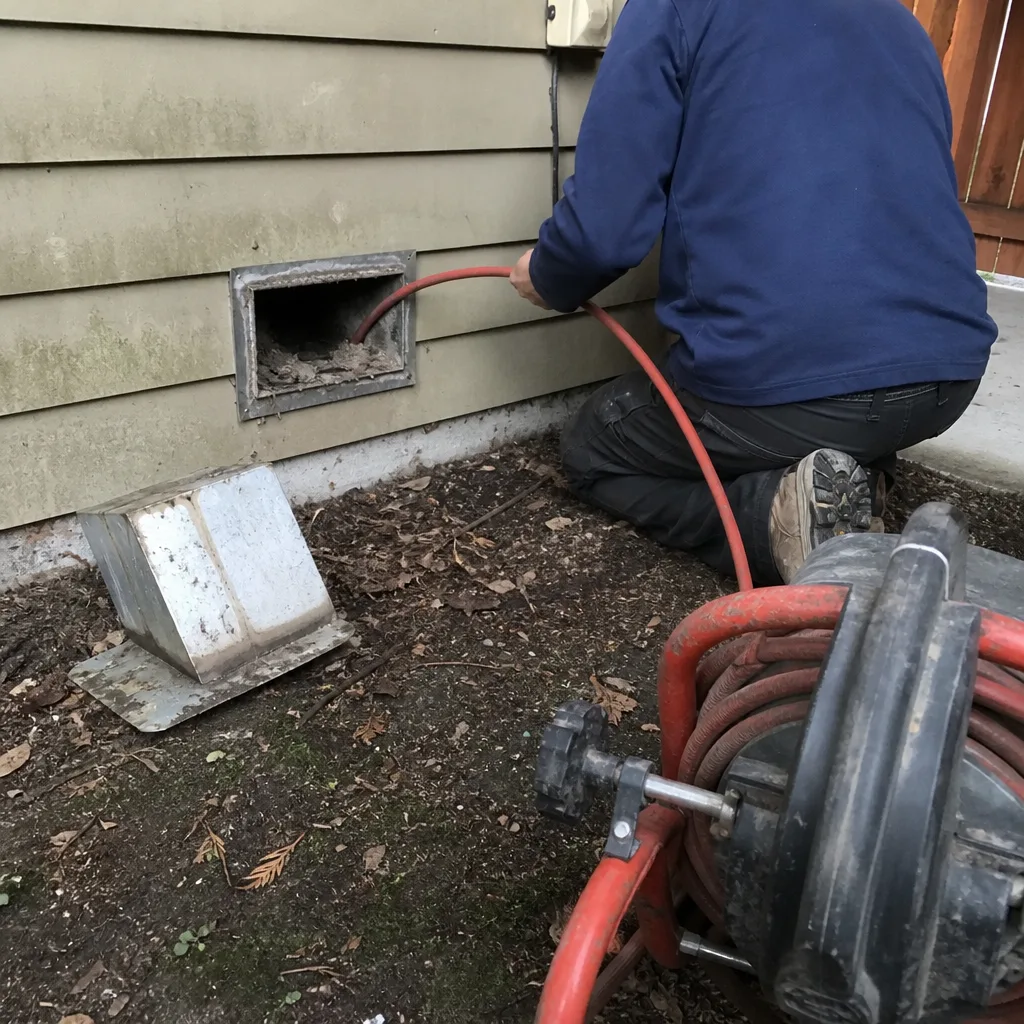 Before
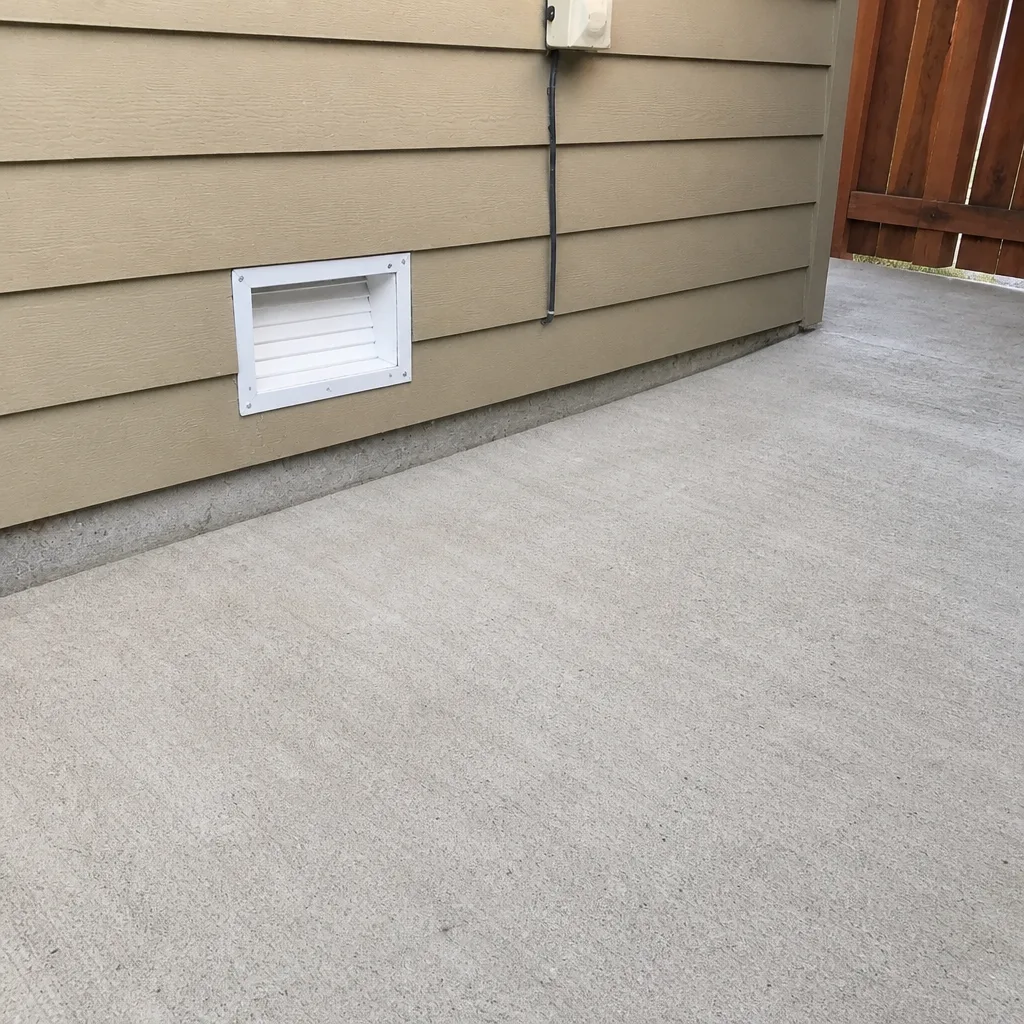 After
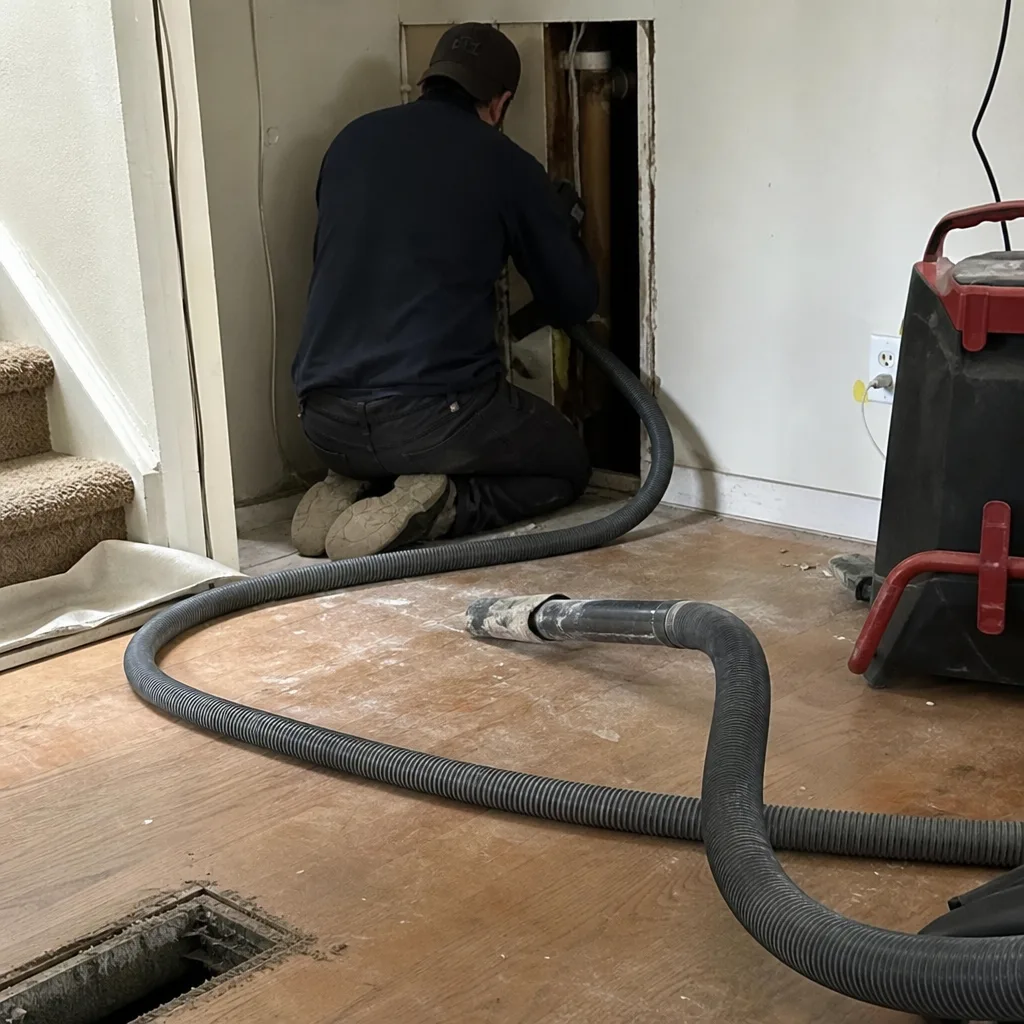 Before
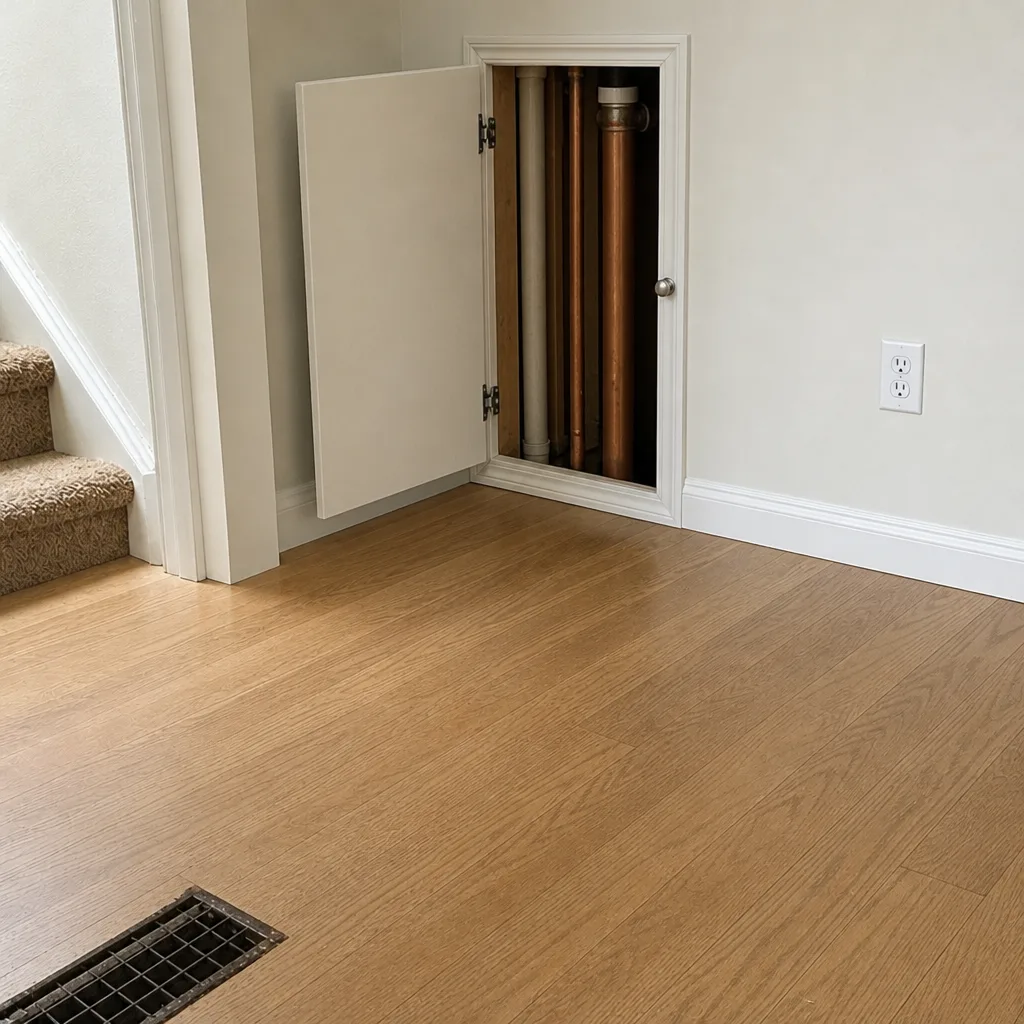 After
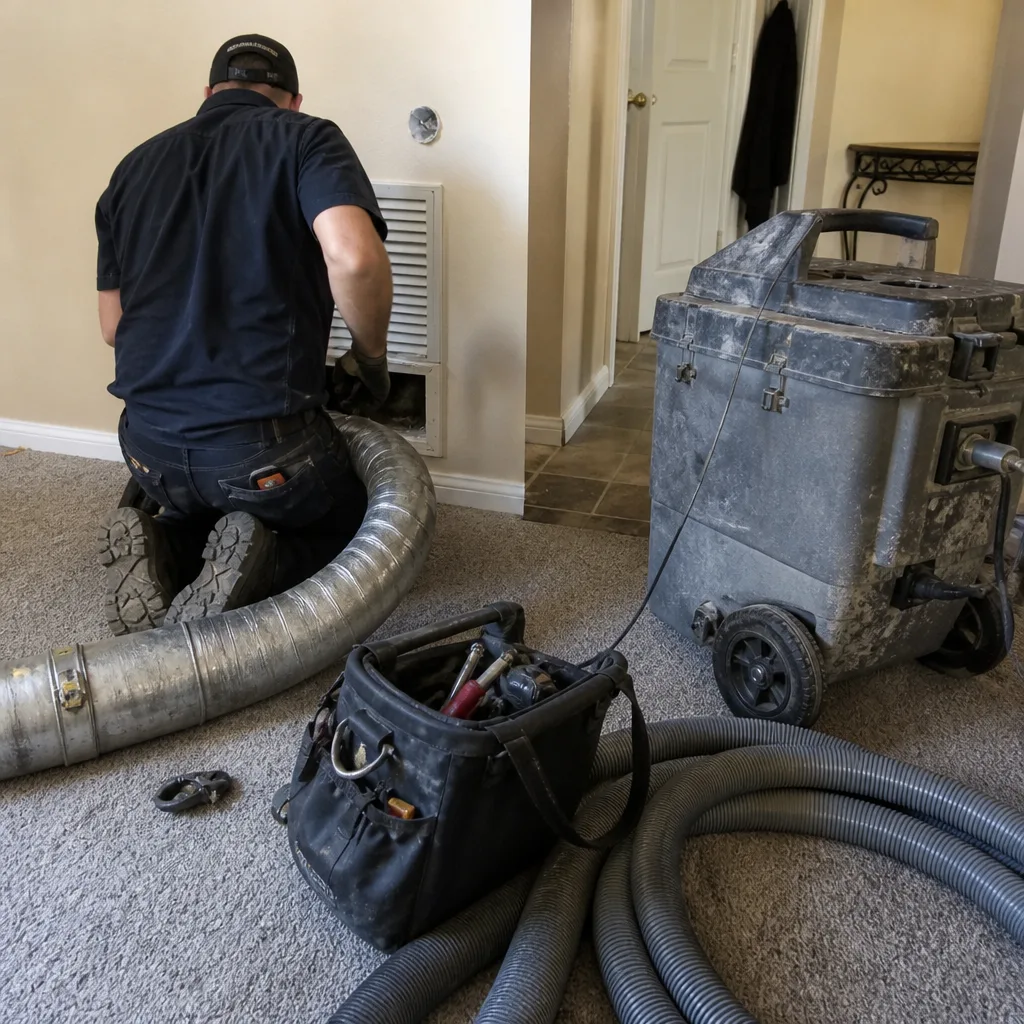 Before
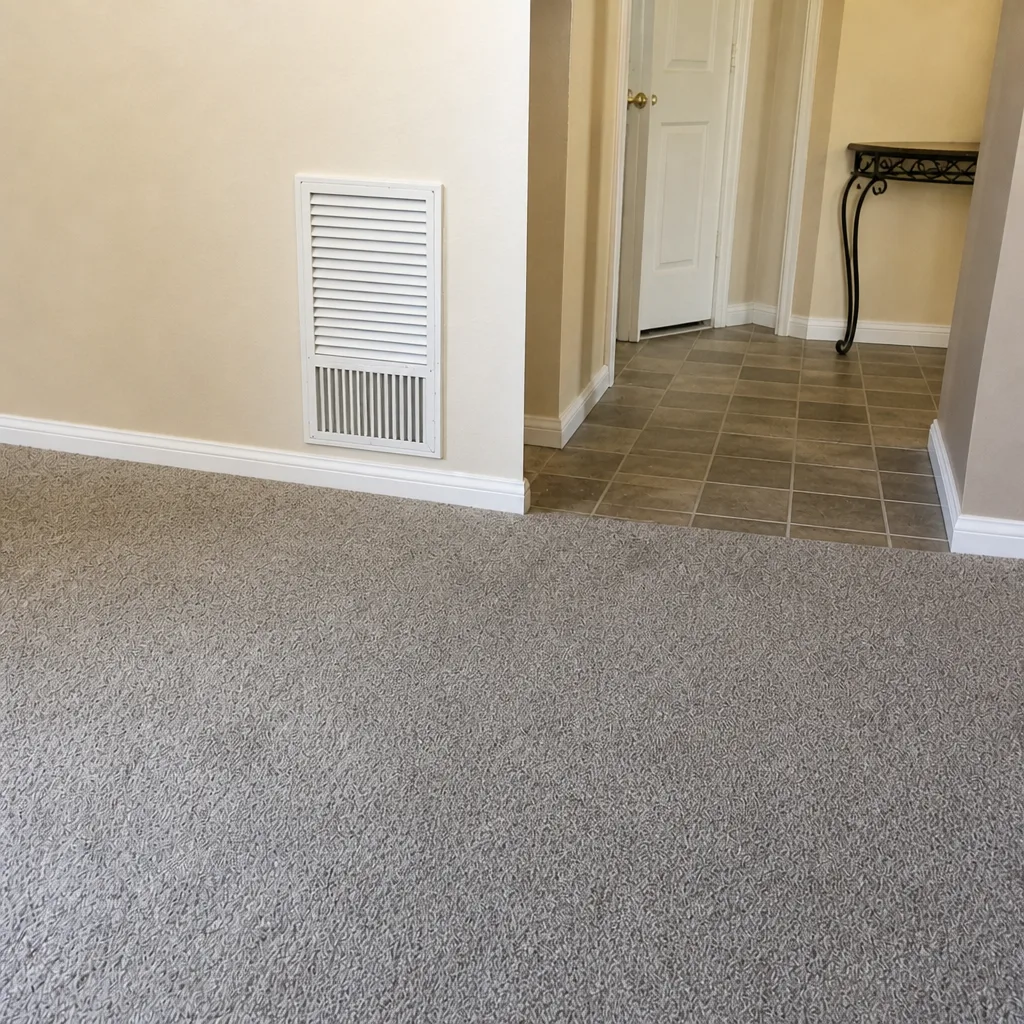 After
When to Call a Professional
Call a professional when the symptom points to a system problem rather than a dirty-duct problem. Specifically: when one room is consistently too hot or cold, when you hear whistling at a vent, when a musty smell returns after a cleaning, when your system ran through a remodel, or when you see visible debris in the ducts and a burning smell appears. Any burning or hot-plastic odor is a shutdown and a call to an HVAC tech, not a duct cleaner. If the ducts are intact but dirty, that’s a cleaning job for a professional-grade system. If the ducts are dirty and leaking, you need both. Issaquah Air Duct Cleaning Pros offers free estimates in Issaquah – call (877) 792-6439. We answer 24/7. Fast dispatch from 7am to 7pm, Sunday through Friday.
Frequently Asked Questions
Usually not on its own. A room that stays consistently wrong while the rest of the house is comfortable points to a broken or disconnected duct run or a return-path problem, and cleaning only clears the dust that’s already in the pipe. Airflow testing first, then cleaning plus repair if a fault is confirmed. Call (877) 792-6439 for an assessment – estimates are free.
There’s no honest single number, because cost depends on system size, number of runs, and whether repair or resealing is needed. What we can promise is that the price is set as one flat price per system, agreed in writing before work starts – not a per-vent figure that changes once the technician is on site. Call (877) 792-6439 for an exact quote – estimates are free.
Usually because the cheaper quote doesn’t include the returns, the plenum, the boots, or the repair work that a real diagnostic would find. A consumer-grade vacuum and a two-hour window can’t clean a system the way an industrial Rotobrush and HEPA setup do. Ask what’s included and get the scope in writing before you compare prices. Call (877) 792-6439 to talk through the scope on your Issaquah home – estimates are free.
Ask for before-and-after photos of your own system, plus a completed checklist for each run. A professional visit documents what was cleaned and what was repaired. If a company can’t show you photos of the actual ductwork, that’s your answer. Book an assessment at (877) 792-6439 – estimates are free.
For most Issaquah homes, every three to five years is a reasonable interval – more often if you have pets, recent remodeling, or a visible dust issue. If you smell a musty odor within a year of cleaning, you’re dealing with a moisture problem, not an interval problem. Call (877) 792-6439 and we’ll help you figure out which one it is – estimates are free.
No, and it’s not a good trade-off. A shop vac pressurizes the run and can blow loose particulate into the rooms instead of pulling it out, and it doesn’t reach far enough to do meaningful work. Industrial HEPA equipment is the standard for a reason. If your ducts need cleaning, call (877) 792-6439 – estimates are free.
The Bottom Line
Dirty ducts and broken ducts are two different problems with two different fixes. Dusty vents and a musty smell point to a cleaning job; a cold room, weak airflow in one part of the house, or a smell that returns after cleaning points to repair and resealing. Test the airflow first, walk the accessible runs, and read the smells before you book anyone. When the system needs both cleaning and repair, that work should happen on one visit. Our technicians have up to 8 years of experience diagnosing exactly these issues in Issaquah, and the written estimate sets the price before any work starts. If you’re still unsure which problem you have, call (877) 792-6439. We answer 24/7. Fast dispatch from 7am to 7pm, Sunday through Friday. Dryer vents are a related concern too – we also handle dryer vent cleaning when lint buildup is part of the picture.