
Last updated November 25, 2026
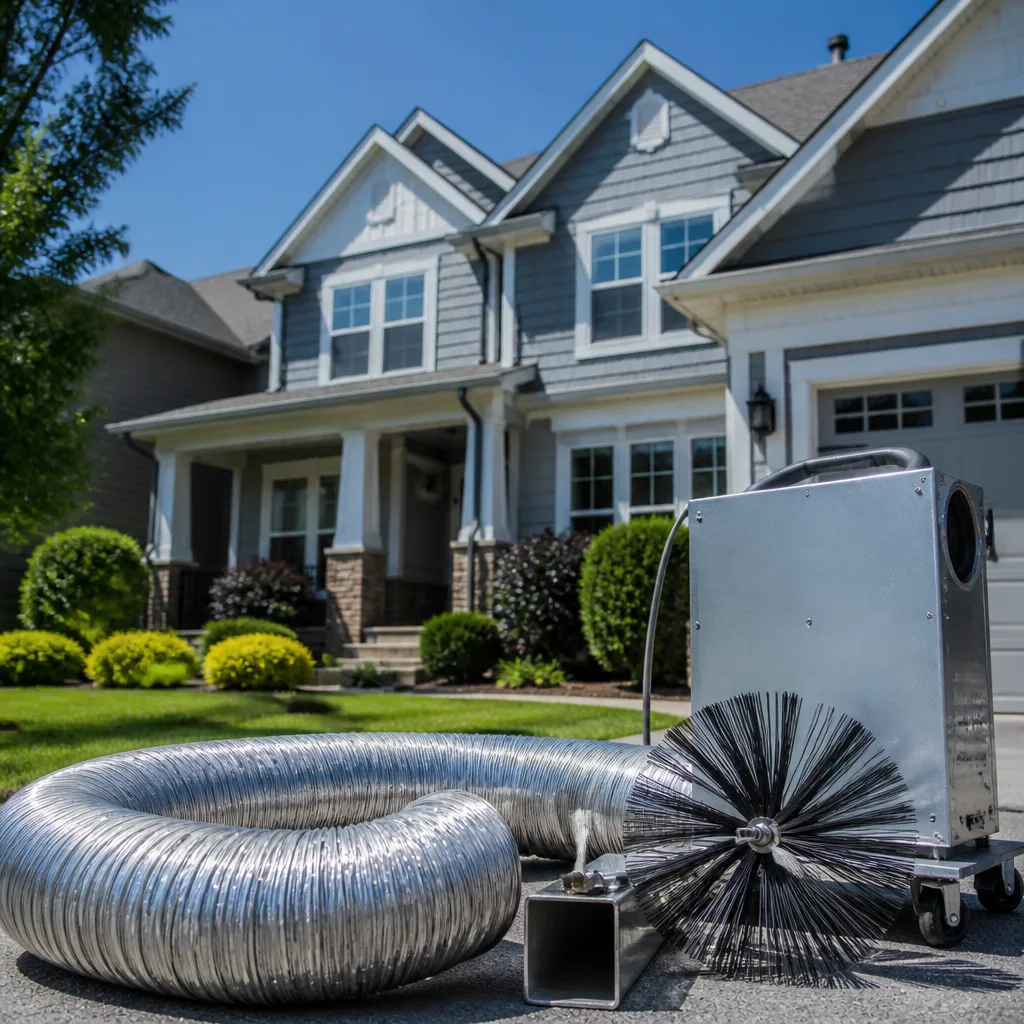 Whole-home duct cleaning
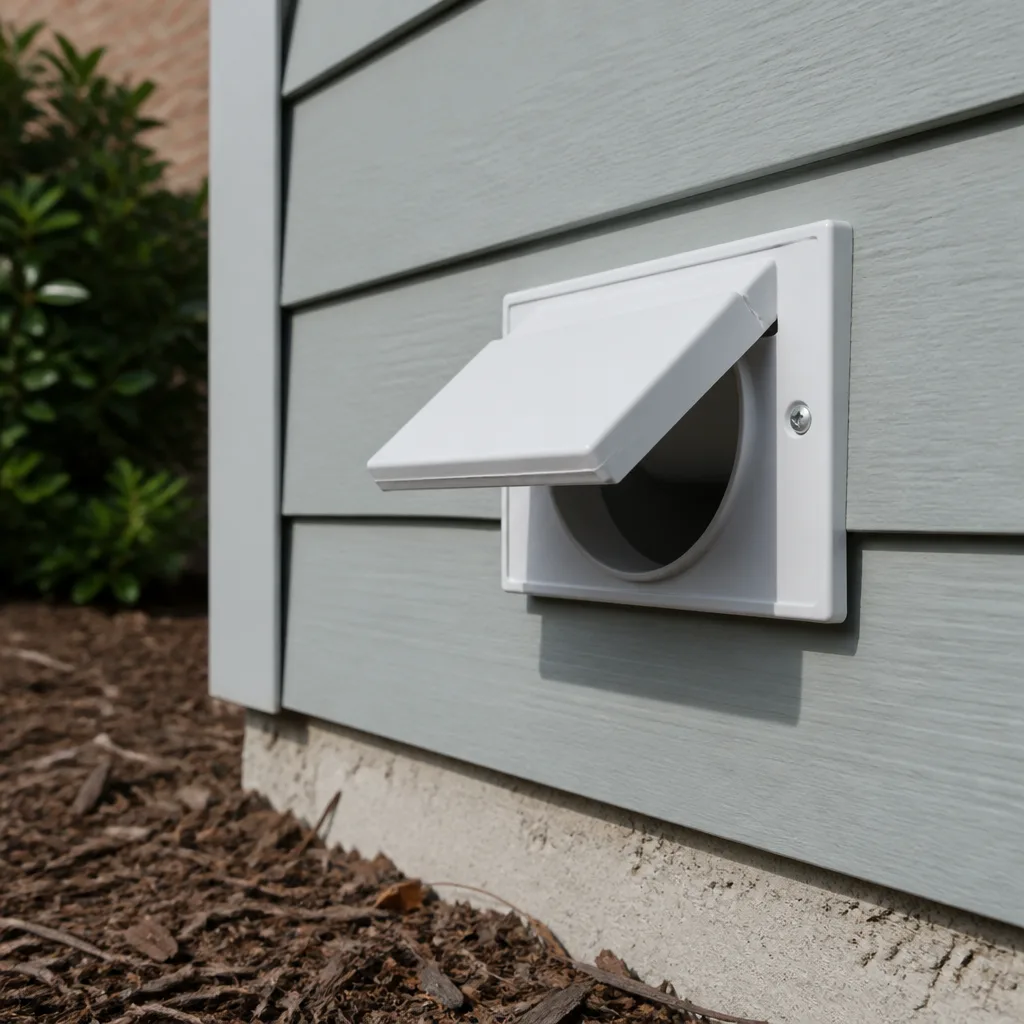 Dryer vent cleaning
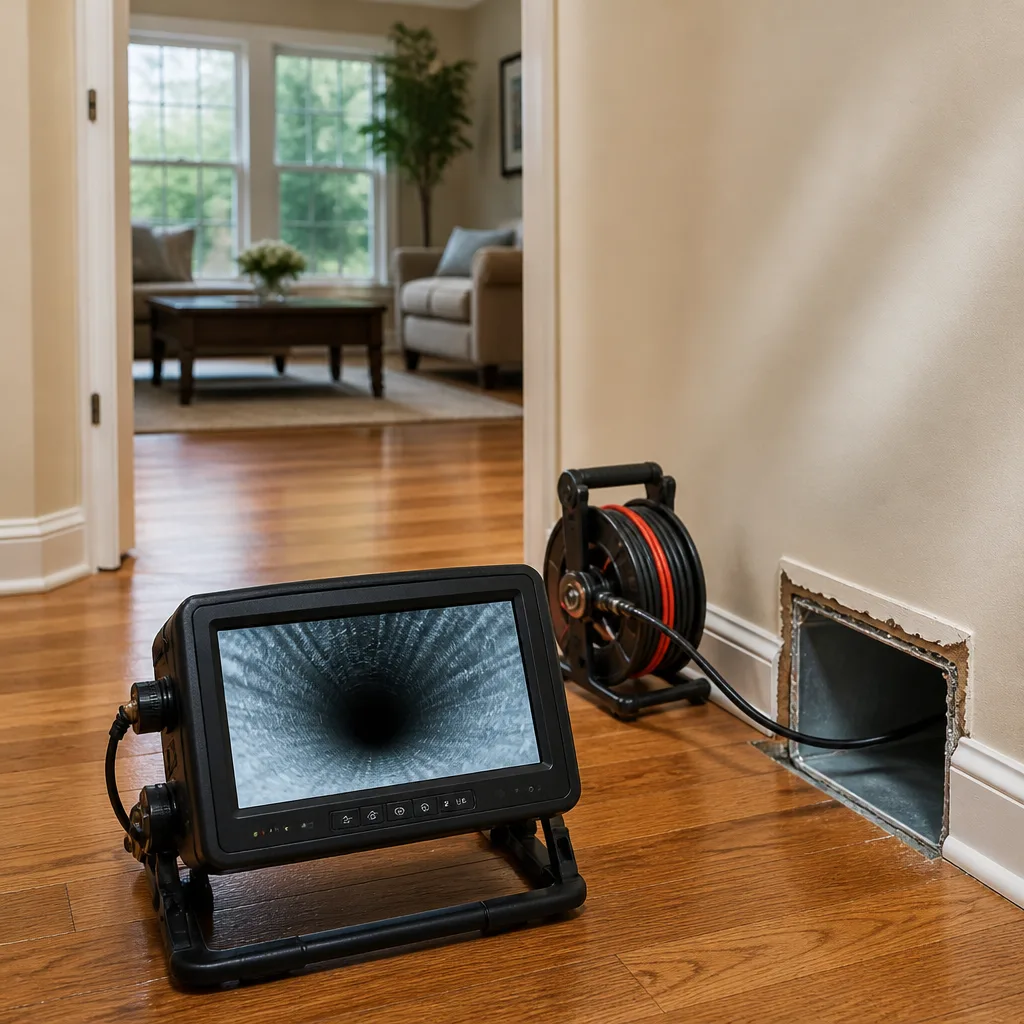 Camera inspection
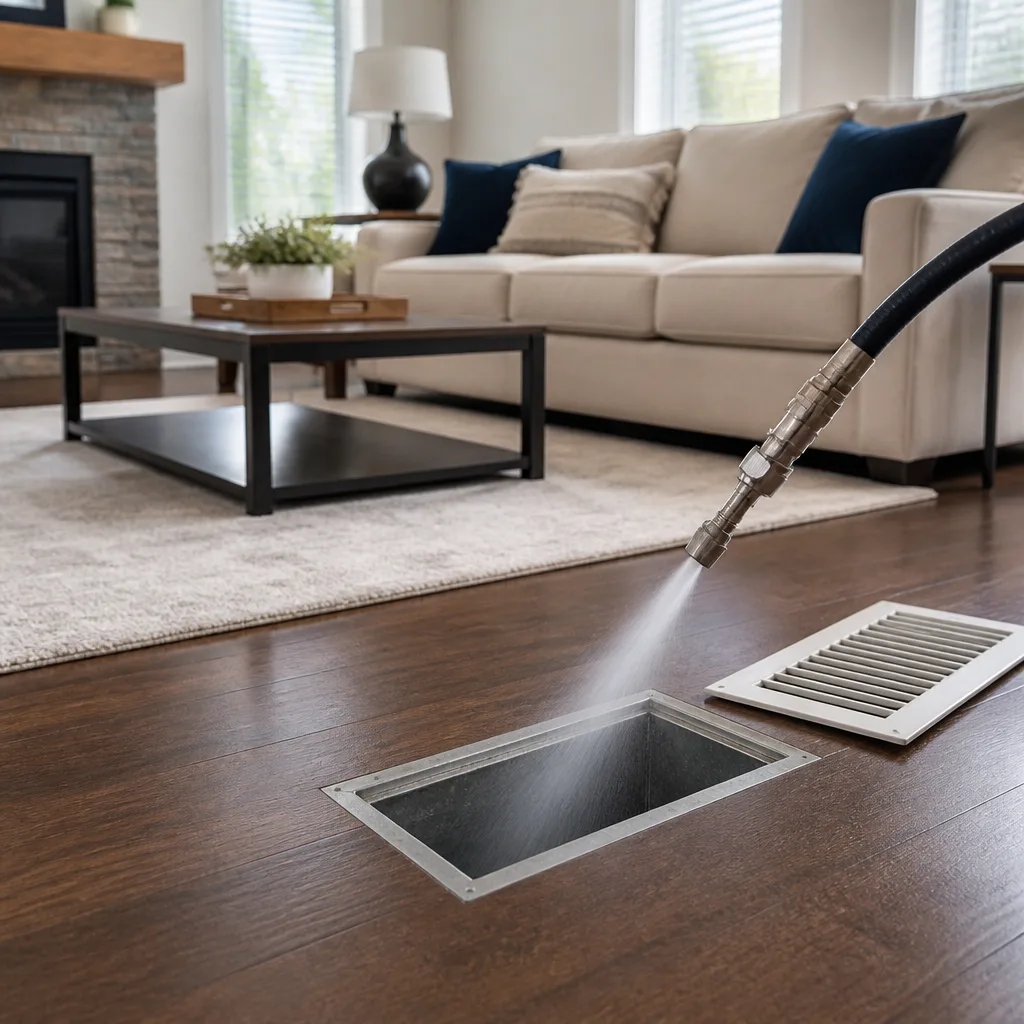 Sanitizing & deodorizing
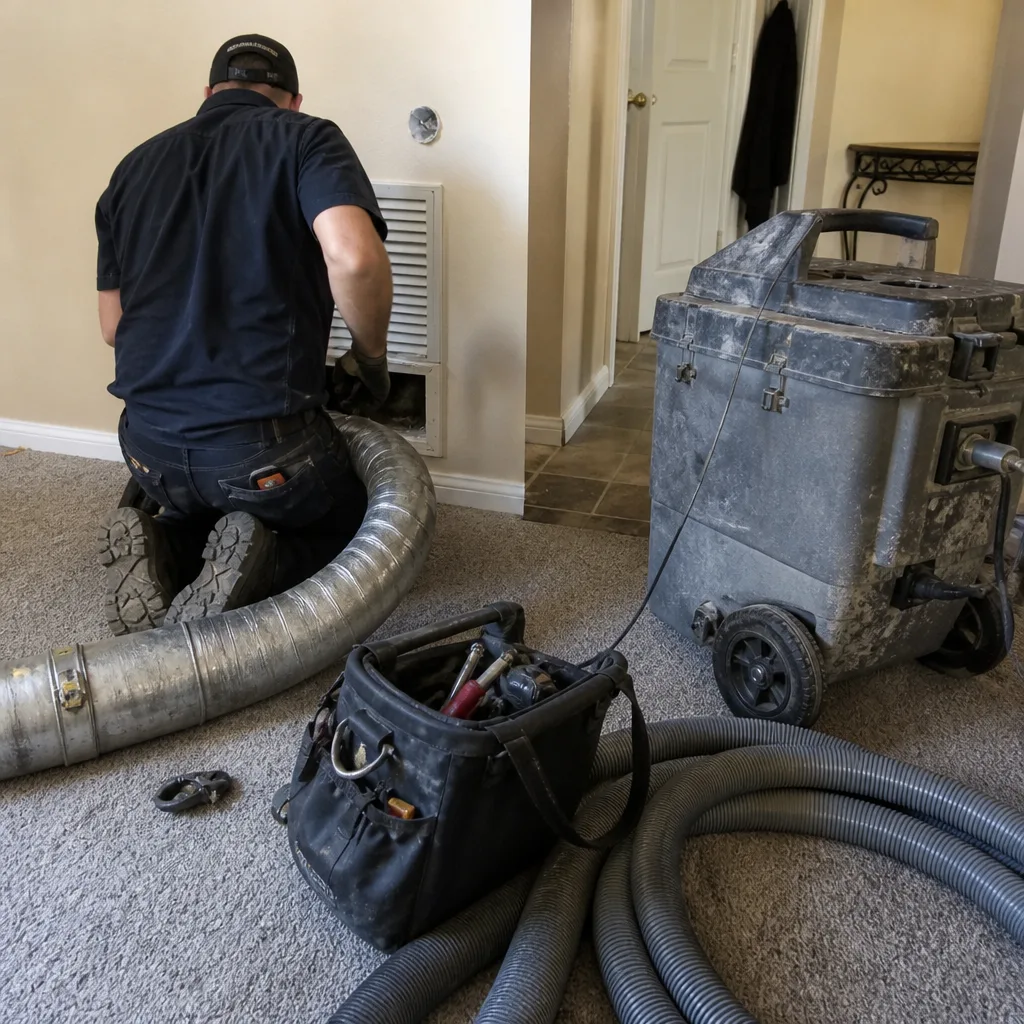
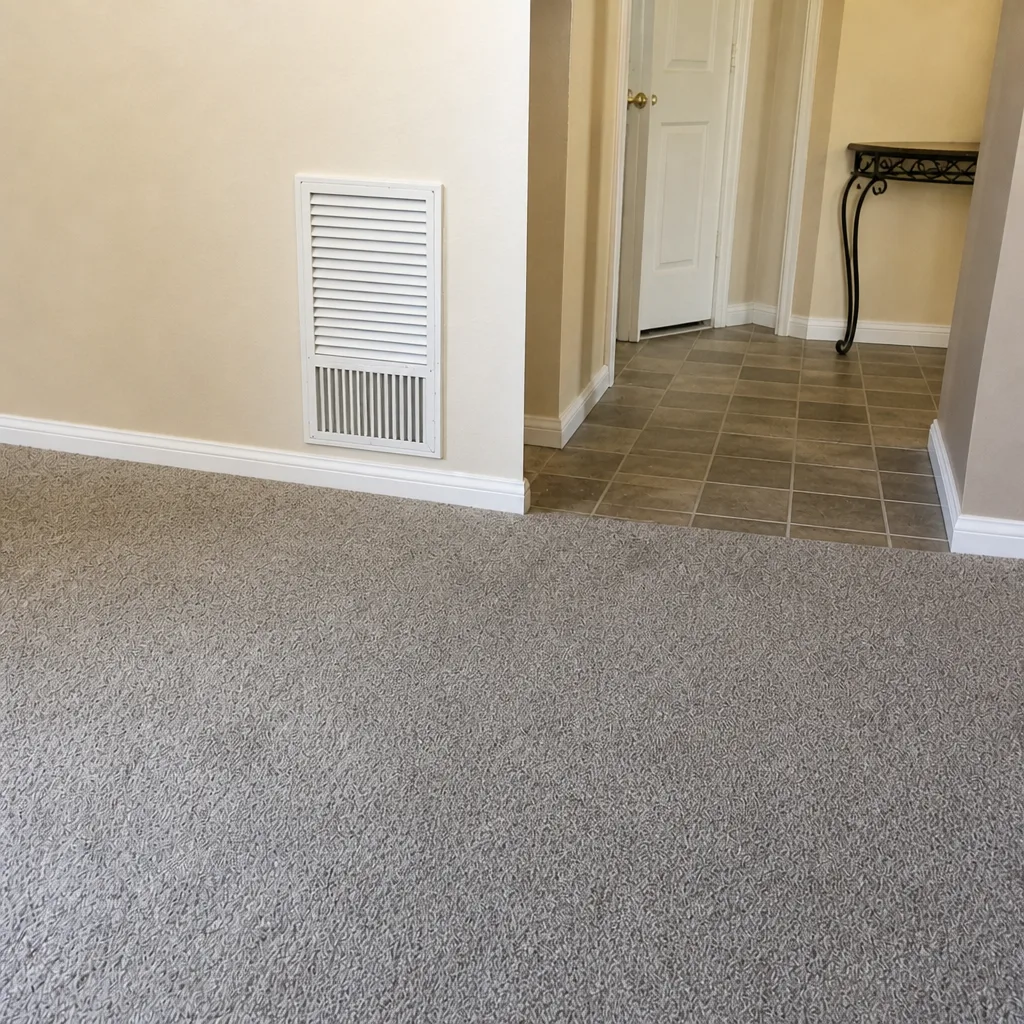
Whole-system duct and dryer vent check with before-and-after photos - you see exactly what came out of your vents
That "$99 whole-house special" is a bait ad - the real number appears once they are in your hallway, or the "clean" is a shop-vac at the register. We photograph the inside of your ducts before and after instead.
Air Duct Cleaning Warning Signs: An Issaquah Homeowner’s Reference Guide
Most duct problems in Issaquah don’t announce themselves. They don’t bang, they don’t leak water down a wall, and they don’t trip a breaker. They show up as a bedroom that runs two degrees cooler than the hallway, a musty note in the air when the furnace kicks on, or a kid whose cough tracks the heating season. Homeowners read those signals as equipment trouble or allergies, or they write them off as “just an old house thing.” This guide maps each warning sign back to what’s actually happening inside the duct system, so you can tell the difference between a nuisance and a problem that needs a professional look before it costs you. You’ll find the visual, odor, performance, and health clues worth checking, plus the crawlspace and attic signs that are specific to Issaquah homes.
Styles & brands we work with
- Whole-home duct cleaning
- Dryer vent cleaning
- Camera inspection
- Sanitizing & deodorizing
Quick Answer
The most reliable air duct cleaning warning signs are visible debris puffing from a register when the system starts, a musty or chemical odor that only appears when the HVAC runs, rooms that never match the thermostat setting, unexplained runtime changes or bill spikes, and allergy symptoms that track HVAC operation. If you notice two or more of these together, it’s worth a professional inspection. One sign alone is often a damper or filter issue; a cluster of them usually points into the ductwork itself.
Table of Contents
- Visual Signs at Registers and Vents
- Odor Differentiation Guide: Musty vs. Burning vs. Chemical
- HVAC Performance Signs That Start in the Ducts
- Health-Pattern Signals and What They Suggest
- Issaquah-Specific Structural Warning Signs
- Reading Debris Colors and Textures
- What a Professional Duct Inspection Actually Involves
- Common Mistakes to Avoid
- When to Call a Professional
- Frequently Asked Questions
- The Bottom Line
Visual Signs at Registers and Vents
The supply registers are your system’s windows. Before you call anyone, spend ten minutes with a flashlight looking at what’s sitting inside the grilles and what comes off the blades of the ceiling fan in the room below them. In Issaquah, where most homes run forced-air heat for a long damp season, the register is where the first physical evidence usually turns up.
Here’s what to check at each register:
- The grille face. A thin, even film that wipes off easily is normal household dust. A thick, felted mat you can peel in one piece suggests years of accumulation and a system that isn’t moving air the way it should.
- The register boot. That’s the metal box just behind the grille. Shine the light inside. If the interior walls are coated in a dark, sticky paste, you’re seeing grease-and-dust buildup that no filter change will clear.
- A tissue test. Hold a single tissue against the grille while the system runs. It should be pulled tight. If it flutters or falls, you have a supply problem upstream that could be a closed damper, a crushed duct, or a joint that’s come apart.
- Streaking on walls and ceilings. Fine dark streaks radiating from a register are a sign of air escaping around the boot and carrying dust with it. That escaping air is heated air you paid for that never reached the room.
- The return grille. Return registers pull air in and tend to collect more than supply registers do because they’re the system’s intake. A return that’s matted over restricts airflow to the entire system.
If you’re already seeing heavy buildup at multiple registers, that’s a good moment to look at professional air duct cleaning options so a technician can inspect deeper than the grille face. The grille tells you the surface story. The duct behind it tells you the rest.
Odor Differentiation Guide: Musty vs. Burning vs. Chemical
Smell is often the first sense to catch a duct problem and the last one people learn to interpret. Each odor category points toward a different part of the system, and conflating them is one of the most common misdiagnoses we see. If you can describe the smell in plain language to a technician, you’ll save a diagnostic visit.
Musty, earthy, or “basement” smell
A musty odor that strengthens when the heat or AC kicks on usually means moisture is present somewhere in the path. That could be condensation on cold duct surfaces, a crawlspace connection pulling damp air, or a small leak in the attic that’s wetting insulation near a duct run. In Issaquah’s climate, where shoulder seasons bring long stretches of cool, wet weather, condensation is a real factor. Musty smells get worse over time because the moisture feeds mold.
Burning, hot, or electrical smell
This is the one to take seriously. A faint hot-dust smell for the first few minutes of the heating season is often just dust cooking off the heat exchanger. A persistent burning smell is different. Turn the system off and call a professional. It can indicate wiring problems, a failing blower motor, or a heat exchanger issue – all of which involve components you shouldn’t troubleshoot yourself.
Chemical or solvent smell
A sharp, chemical note can come from off-gassing materials, adhesives used during a renovation that got pulled into return ducts, or cleaning products. If it appears only when the HVAC runs, the duct system is likely pulling air from a space it shouldn’t – a crawlspace, a garage, or a mechanical room. That’s an air intake problem, not a cleaning problem, and it deserves attention.
Dead animal or “something died” smell
Sharp, rotten, and localized to one area usually points to something that’s gotten into a duct run through an open joint or a disconnected section. Calling a professional is the right move. Cleanup requires containment with negative-air equipment so particles and odors don’t spread to the rest of the system.
HVAC Performance Signs That Start in the Ducts
When the furnace short-cycles or the AC struggles, the instinct is to blame the equipment. In our experience, a meaningful share of “equipment problems” in Issaquah homes trace back to the ducts – the equipment is doing exactly what it’s told, but the duct system is delivering less air than the system was designed for. Here’s how to tell the difference.
Runtime changes
Notice how long the furnace runs on a cold morning. If it used to run for ten minutes and now runs for twenty and cycles more often, you have a capacity or airflow issue. Equipment degradation is one explanation. A restricted return, a crushed flex duct, or a closed damper somewhere in the run is another, and those are often cheaper to fix.
Unexplained bill spikes
A utility bill that climbs 15 to 25 percent over the same month last year, with no rate change and no new appliance, is worth a look. Ducts that leak at the joints lose conditioned air before it reaches the room. The furnace compensates by running longer, and you pay for air that never arrives. We use negatively pressurized containment equipment and smoke-style leak tests on problem systems to find exactly where the loss is happening.
Short cycling
If the system turns on and off every few minutes, the equipment is either oversized, overheating, or getting false signals from a restricted system. Airflow restriction from blocked returns is a common culprit. It looks like a control problem and behaves like a control problem, but it’s a duct problem.
Uneven room temperatures
This is the most misdiagnosed duct warning sign we run into. When one room runs several degrees off from the rest of the house, most people reach for a damper adjustment, a thermostat relocation, or a new equipment purchase. Frequently it’s a collapsed flex duct section or a detached duct joint that’s been dumping conditioned air into a wall cavity or crawlspace for months. The room is starved for air while the furnace works harder to compensate. If you’ve adjusted dampers twice and the room still won’t cooperate, the duct run to that room should be inspected before anything else is replaced.
Health-Pattern Signals and What They Suggest
Household respiratory patterns are a sensitive topic, and we want to be careful here. We’re not doctors, and we can’t tell you what’s causing a symptom. What we can tell you is which patterns tend to correlate with duct conditions versus other home factors, so you know when to ask a professional. If a health concern is serious, the right first call is to your physician.
The signal to watch for is timing. Ask yourself:
- Does the symptom get worse when the HVAC is running? A dry cough, sore throat, or itchy eyes that appear an hour into the heating cycle and fade when the system is off points toward something being circulated through the supply air.
- Does it improve when you’re out of the house? Symptoms that ease during the workday and return at home suggest an indoor source. Ducts are one candidate; so are carpets, pets, and furnishings.
- Is it seasonal? Does it track the shoulder seasons? In Issaquah, spring and fall bring long damp stretches that favor mold growth. If a family member’s symptoms spike in those weeks, moisture in the ducts is worth checking.
- Is it concentrated in one room? Symptoms that only appear in a certain bedroom often trace back to that room’s duct run. If one run is disconnected or dumping air into a wall cavity, the room could be under-ventilated.
When the pattern is there, the next step is a professional inspection with containment-grade equipment. We work with Abatement Technologies negative-air units so debris and particles stay captured during cleaning rather than being redistributed into the rooms. If sanitizing is warranted after cleaning, we use Guardsman-backed treatments with a named, traceable product, not a generic spray.
Issaquah-Specific Structural Warning Signs
Issaquah’s housing stock covers a wide range – older homes on the valley floor, newer builds on the slopes, and properties with both crawlspaces and attics. That variety produces a few warning signs we look for specifically in this area because the climate and construction types here tend to create them.
Crawlspace moisture staining near flex duct connections
Flex duct runs low through a crawlspace are common in this region. When humidity or a slow leak wets the insulation around a connection, the first sign is a dark stain on the duct jacket or the wood nearby. That staining means the joint is letting in crawlspace air, which carries soil moisture, dust, and whatever else is in the space. If you see dark rings or tide marks near a duct connection under the house, that run needs attention. In Issaquah’s long wet season, water finds these joints faster than it does in drier climates.
Attic duct sweating in shoulder seasons
Cold metal duct surfaces in a warm attic can condense moisture, especially in the transition weeks between heating and cooling season. The warning sign is a wet patch on the insulation or a drip line in the attic near a duct run. Sweating ducts not only waste energy but can also wet the surrounding insulation, which then becomes a moisture reservoir. Attic inspections in spring and early fall are the right time to catch this.
Streaking at exterior walls and foundation vents
Air leaking from ducts near exterior walls shows up in Issaquah homes as fine streaking on siding or dirt tracked through foundation vents. It’s a sign the system is pulling air from outside the conditioned envelope. That’s an energy loss and an air-quality problem at once.
Winter humidity swings
Issaquah winters run humid, and a house that feels damp in December and dry in February is often fighting air exchange issues rather than just weather. If the dampness concentrates near a register or a crawlspace access, duct connections are worth checking.
Reading Debris Colors and Textures
What’s inside the duct tells you more than how much of it there is. Once you’ve looked inside a few registers, you can start to interpret the material. Here’s a quick reference for what each type usually indicates.
Light gray, even dust
Routine household dust. Lint, skin cells, fine particles. Every system has some. If this is the only thing you’re seeing, you likely don’t have a duct cleaning emergency – you may not need cleaning at all, though a full-system inspection is still worthwhile if you’re already noticing other signs.
Dark gray to black particulate
This usually indicates two things together. First, soot or carbon from combustion sources getting into the return air. Second, fine dust that’s aged and compacted. In Issaquah homes with fireplaces or wood stoves, dark deposits near a return can be a signal that combustion byproducts are circulating. If you’re seeing this, a professional inspection should look at the return side first and, separately, at combustion safety. That’s not something to handle with a shop vac.
Fibrous or stringy material
Loose fibers in a duct run usually mean fiberglass insulation breakdown, often from a duct that’s lost its liner or a joint that’s exposed insulation to the airstream. It’s common around flex duct connections that have pulled apart. This is a repair-and-seal issue, not just a cleaning issue. We repair and seal what we find because a cleaning alone leaves the fiberglass to re-contaminate the system.
Sticky or pasty residue
Grease, cooking oils, or adhesive residue from the duct manufacturing. Common in kitchen return runs. Cleaning this takes contact methods rather than vacuum alone. Rotobrush contact-cleaning systems work on this kind of buildup in a way a simple vacuum pass won’t.
Pest debris, droppings, or nesting material
Small dark pellets, shredded paper, or fibrous nests. This indicates a breach somewhere in the system and usually requires both cleanup and repair. Removal needs containment-grade equipment so the rest of the system isn’t contaminated in the process.
What a Professional Duct Inspection Actually Involves
If you’ve checked the registers, noted a couple of warning signs, and decide it’s time to call, here’s what happens on a professional visit so you know what you’re getting and what to expect. Every company works a little differently, but this is the sequence we follow on an Issaquah system.
- System assessment and documentation. A technician walks the registers, opens a few boots, and photographs what’s inside. Before-and-after photos are the honest record; you should see them, not just hear about them.
- Negative-air containment. We use Abatement Technologies negative-air units to keep the work area under pressure so loosened debris stays captured instead of drifting into living space. That’s standard in remediation settings and less common among residential-only duct cleaners.
- Contact cleaning. Rotobrush contact-cleaning systems agitate the duct walls while the Nikro industrial HEPA vacuum captures what comes loose. Contact cleaning reaches what a simple vacuum can’t because it doesn’t rely on suction alone.
- HVAC cleaning. The air handler, coils, and blower come next. We cover this as part of the standard HVAC cleaning we perform because the ducts aren’t clean if the equipment feeding them isn’t.
- Duct repair and sealing. Any joint we find disconnected, crushed, or unsealed gets repaired. We repair what we find rather than leaving you to call a separate contractor.
- Optional air quality upgrades. If filtration or purification makes sense for your system, we sell and install Honeywell and Aprilaire products in the same visit so you’re not hunting down parts afterward.
- Sanitizing when indicated. If microbial growth is present, we use Guardsman-backed treatments with a named, traceable product. It’s the documented layer of protection that mechanical cleaning alone can’t provide.
- Before-and-after photo review. We walk you through what we found, what we cleaned, and what we repaired. You see the work before it becomes an invoice.
For property managers, the same sequence applies across multiple units, and the photo documentation becomes a record you can hand off to owners. One flat price per system gets agreed before work starts, no per-vent pricing.
Common Mistakes to Avoid
- Judging the whole system by one register. A dusty grille in a single room may just be that room’s boot seal. Look at several registers across the house before you decide the system needs work.
- Confusing a musty smell with an HVAC problem. Musty odor that strengthens when the heat runs usually means moisture in the ducts or crawlspace, not a failing furnace. Calling an HVAC tech to replace equipment when the real issue is a wet duct joint is money spent in the wrong direction.
- Skipping the crawlspace and attic inspection. Issaquah homes with flex duct in crawlspaces and attics need those spaces checked, especially in the wet season. Staining and sweating show up there first, and by the time the warning shows at a register, the problem is usually worse.
- Hiring on coupon price alone. A very low advertised price often becomes a much larger invoice once the technician is on site. The fair comparison is a flat price per system agreed before work begins, not a teaser figure that excludes the returns, the air handler, or the sanitizing.
- Letting a disconnected duct go unrepaired. Cleaning a duct system with a joint that’s blowing into a wall cavity cleans part of the system and leaves the actual loss in place. Repair and seal is part of the job, not an upsell.
- Assuming a filter change is enough. A filter catches particles on the return side but doesn’t clean what’s already coating the duct walls. If buildup is thick enough to peel, a filter swap won’t move it.
- Overlooking the dryer vent. A dryer vent that’s packed with lint is a duct warning sign in its own right. We handle dryer vent cleaning alongside duct work because the two share the same failure modes – restriction, moisture, and lint buildup that restricts the airstream and impairs performance.
When to Call a Professional
Most duct problems are safe to watch for a while. A few are not. Call a professional when you notice any of the following on your own system:
- A persistent burning or electrical smell when the system runs – turn it off first.
- Visible debris puffing from a register on startup, especially after a renovation.
- A musty or mold smell that appears only when the HVAC is on.
- More than one room with consistent temperature problems that don’t respond to damper adjustments.
- Dark stains or wet patches near duct connections in a crawlspace or attic.
- Pest debris inside a register that suggests a breach in the duct run.
If two or more of those cluster together, don’t wait. Issaquah Air Duct Cleaning Pros offers free estimates in Issaquah, and a technician can inspect what’s actually happening inside the system rather than guessing from the outside. Call (877) 792-6439 to schedule a visit. We answer 24/7. Fast dispatch from 7am to 7pm, Sunday through Friday.
Frequently Asked Questions
If the only thing you’re seeing is a light gray film at the registers, your ducts probably don’t need a full cleaning. The signal that changes the answer is a combination of signs – a musty or chemical odor that only appears when the HVAC runs, temperature problems that don’t respond to dampers, dark or fibrous debris inside a register, or visible staining near a crawlspace or attic duct connection. Two or more together is the threshold. A professional inspection with photos will confirm it, and there’s no obligation. Call (877) 792-6439 for an exact quote – estimates are free.
Unexplained bill spikes are usually air loss, not equipment failure. Ducts that leak at the joints lose conditioned air before it reaches the room, and the furnace runs longer to compensate. In Issaquah homes, the flex duct connections in crawlspaces and attics are the most common places for that loss to start. A professional inspection with containment equipment can find where the loss is happening before you spend money replacing equipment. Call (877) 792-6439 for an exact quote – estimates are free.
Not always, but it’s worth treating as a moisture signal. Musty odor present only when the HVAC runs indicates moisture getting into the airstream somewhere, whether from condensation on cold duct surfaces, a crawlspace connection pulling damp air, or an attic leak near a duct run. It could be a small condensation issue or a mold problem – the only way to know is a professional inspection. Sanitizing with a named, traceable treatment after cleaning is the standard fix when microbial growth is confirmed. Call (877) 792-6439 for an exact quote – estimates are free.
Most homes don’t need it on a fixed schedule. The right trigger is symptoms, not time – visible buildup, odor, temperature problems that don’t respond to damper adjustment, or a renovation that pulled debris into the returns. In damp climates like Issaquah’s, homes with crawlspace ducts or a history of moisture problems tend to need a look sooner than homes with sealed attic runs. A professional inspection can tell you whether cleaning is warranted or whether you’re fine for another cycle. Call (877) 792-6439 for an exact quote – estimates are free.
A very low advertised price is usually a teaser for a much larger invoice once the technician is on site – per-vent pricing, return grilles billed separately, air handler not included, sanitizing as an add-on. The honest comparison is a flat price per system, agreed in writing before work starts, that covers cleaning, returns, the air handler, and repair of what’s found. Ask for before-and-after photos of your own ducts, not stock images, so you know the work was actually done. Call (877) 792-6439 for an exact quote – estimates are free.
We clean, repair, and seal in the same visit. A duct system with a joint blowing into a wall cavity or a section that’s collapsed isn’t a cleaning problem alone – it’s an air-loss problem, and cleaning around it leaves the actual failure in place. Our technicians have up to 8 years of experience diagnosing and repairing duct runs, and we handle the repair and the seal as part of the same engagement so you’re not calling a separate contractor. Call (877) 792-6439 for an exact quote – estimates are free.
The Bottom Line
The duct problems worth your attention in Issaquah rarely show up as dramatic failures. They show up as patterns: a room that never matches the thermostat, a musty note that appears when the heat runs, a runtime creep that turns into a bill you don’t recognize, or an allergen that tracks the HVAC cycle. Read those signals in clusters, look at the registers before you assume equipment failure, and check the crawlspace and attic connections in the wet season because that’s where Issaquah homes tend to develop problems first. When two or more signs line up, a professional inspection is a small cost compared to the air loss and repairs you avoid. Our technicians have up to 8 years of experience and a full-system approach that cleans, repairs, seals, and certifies air quality in one visit. Call (877) 792-6439 for a free estimate. We answer 24/7. Fast dispatch from 7am to 7pm, Sunday through Friday.
Written by the team at Issaquah Air Duct Cleaning Pros.
See the difference
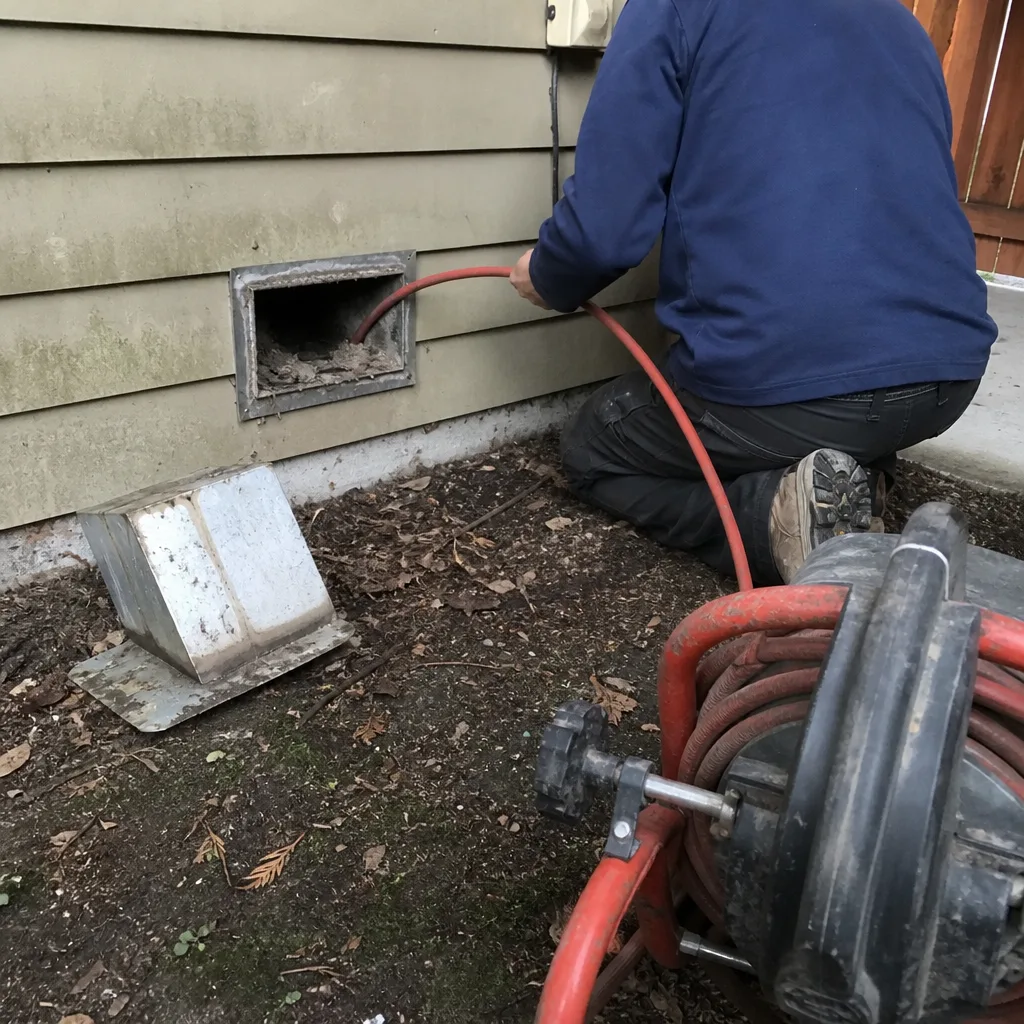 Before
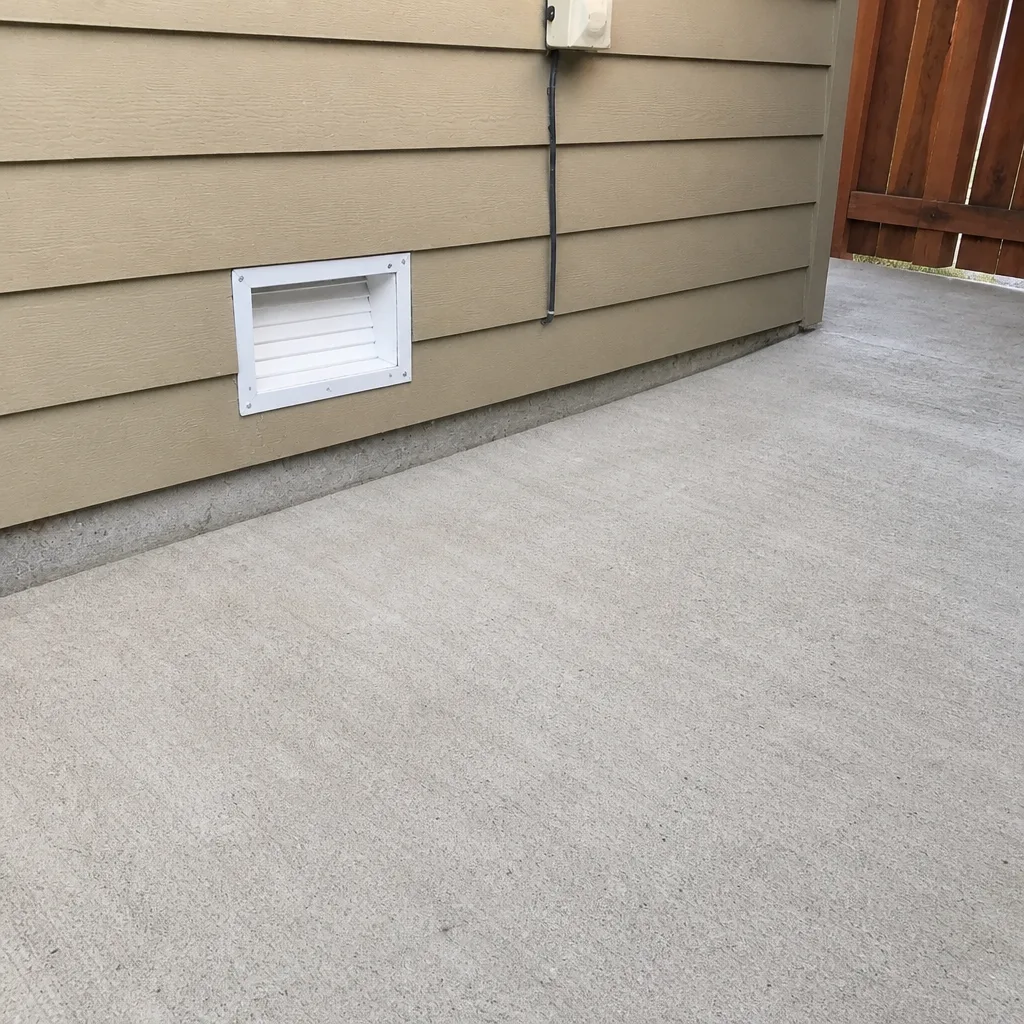 After
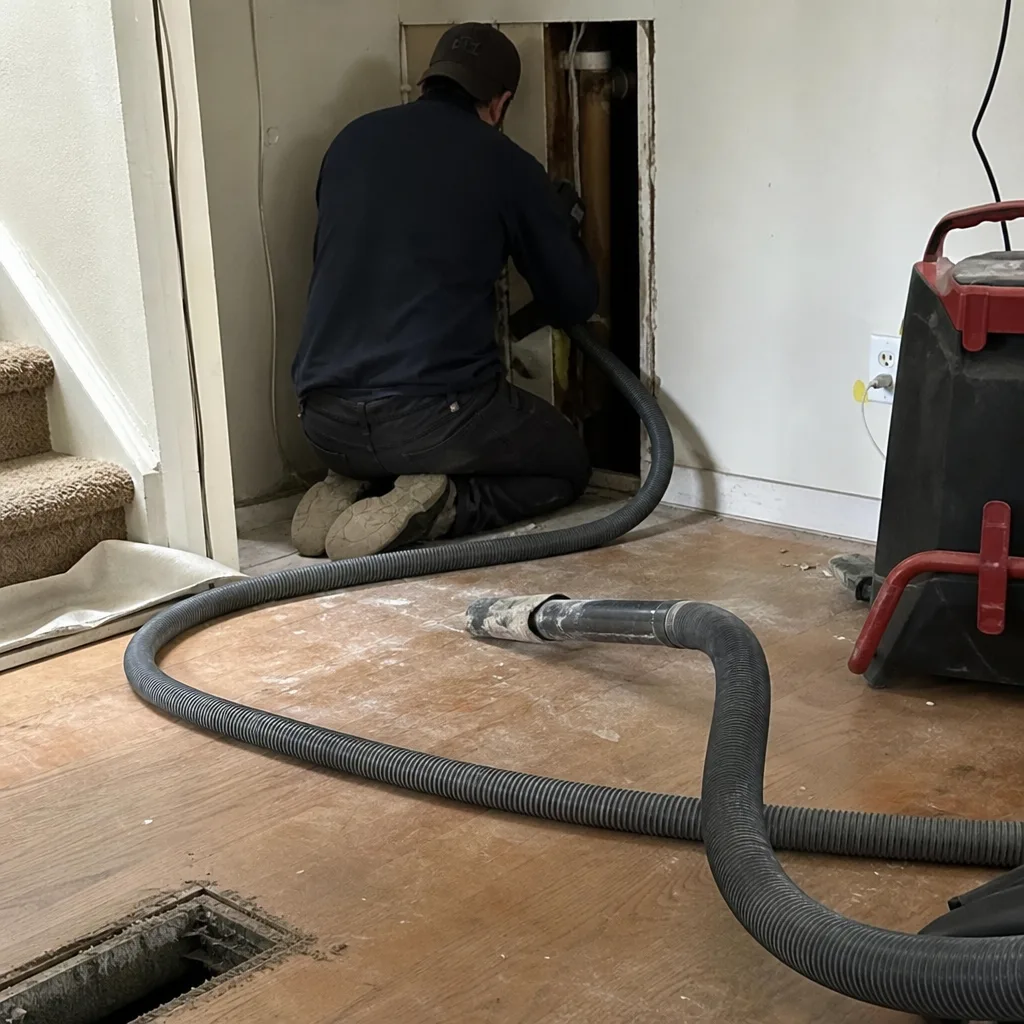 Before
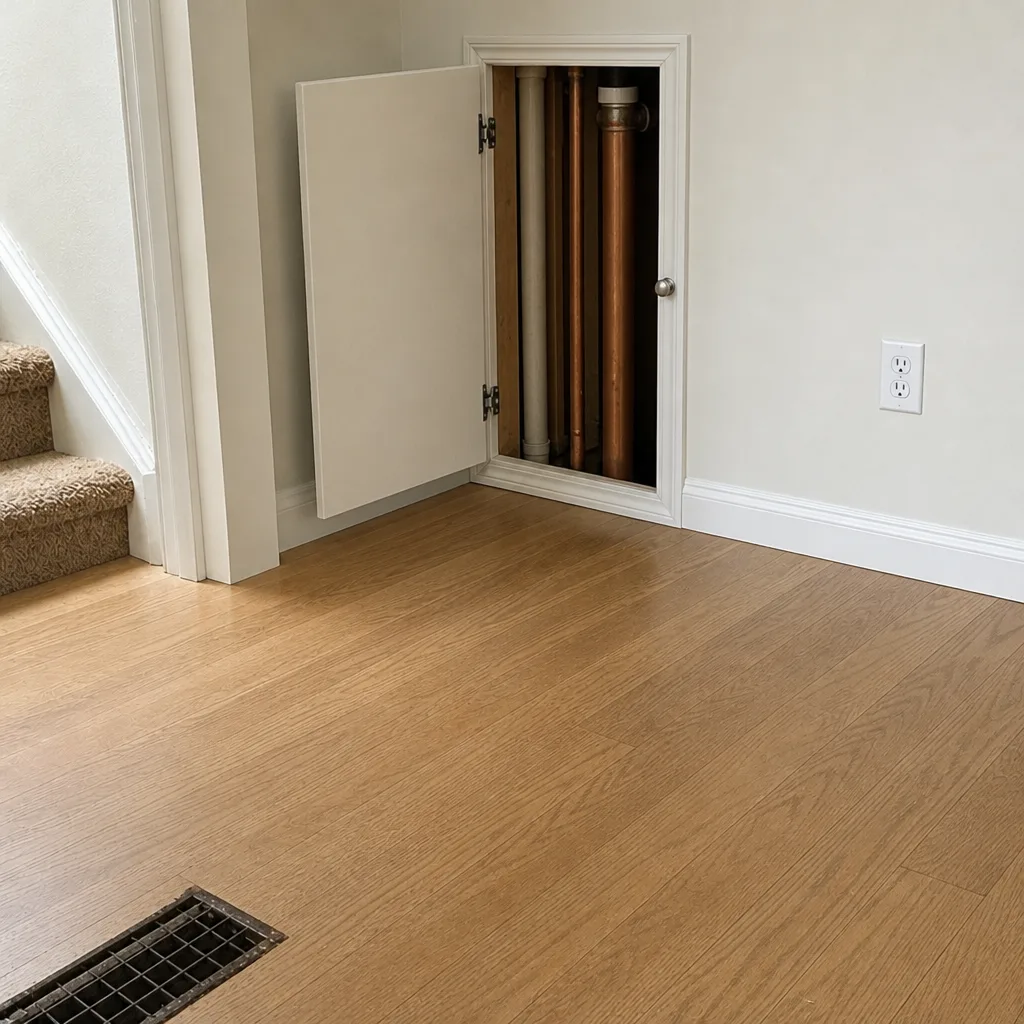 After
 Before
 After