
Last updated November 25, 2026
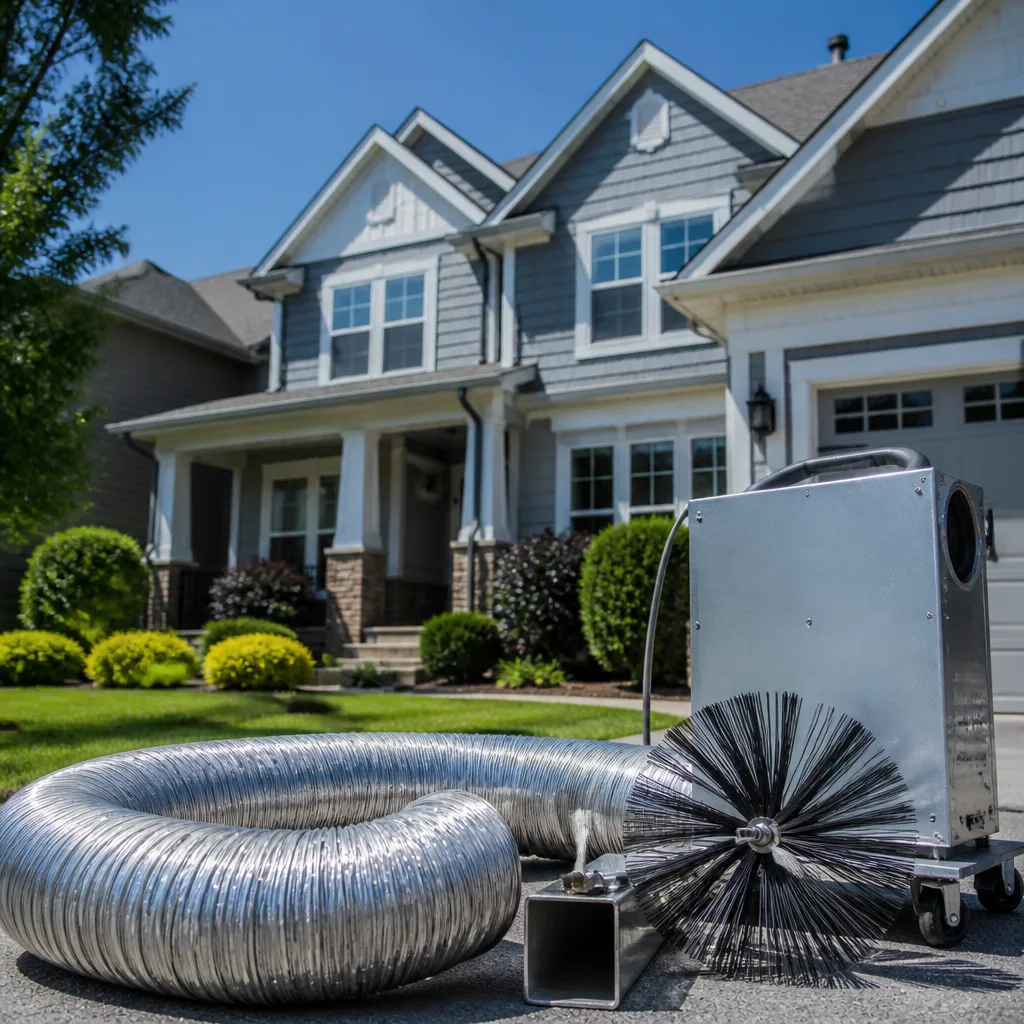 Whole-home duct cleaning
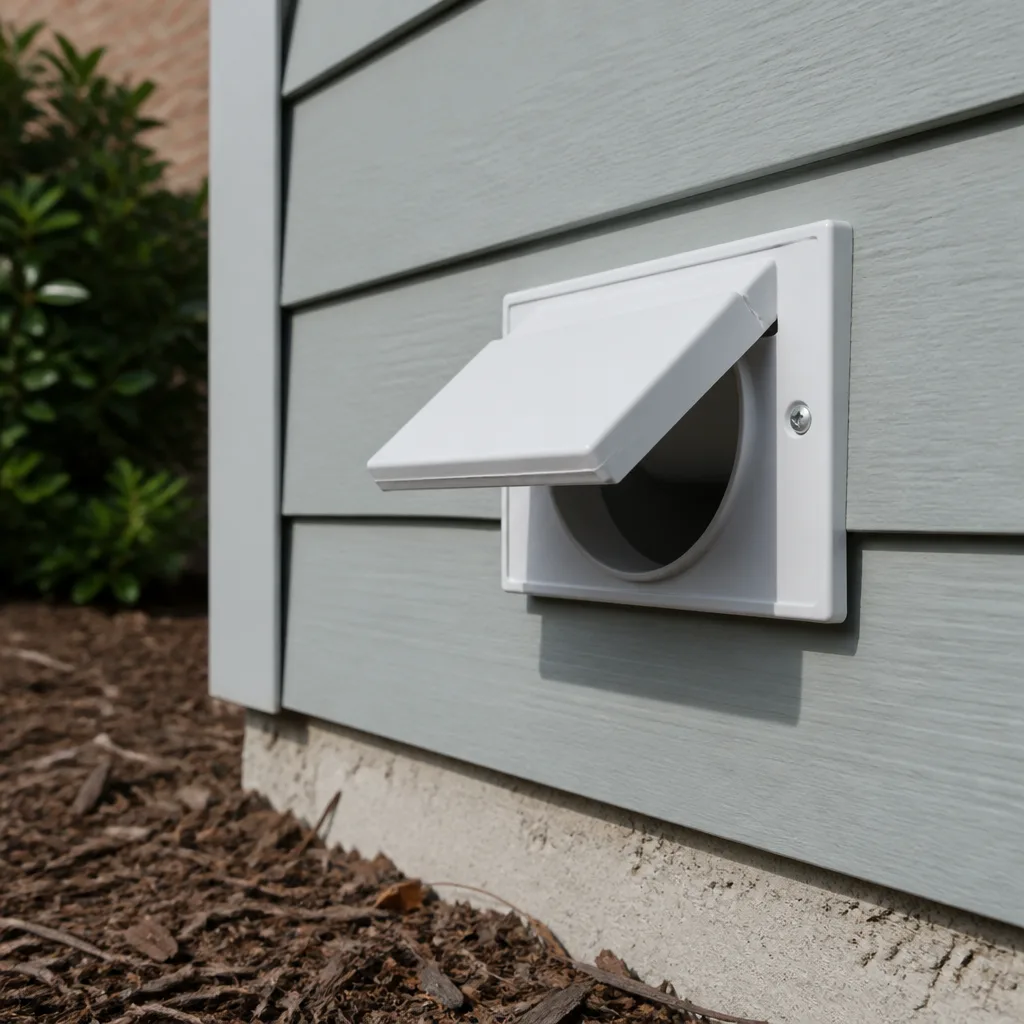 Dryer vent cleaning
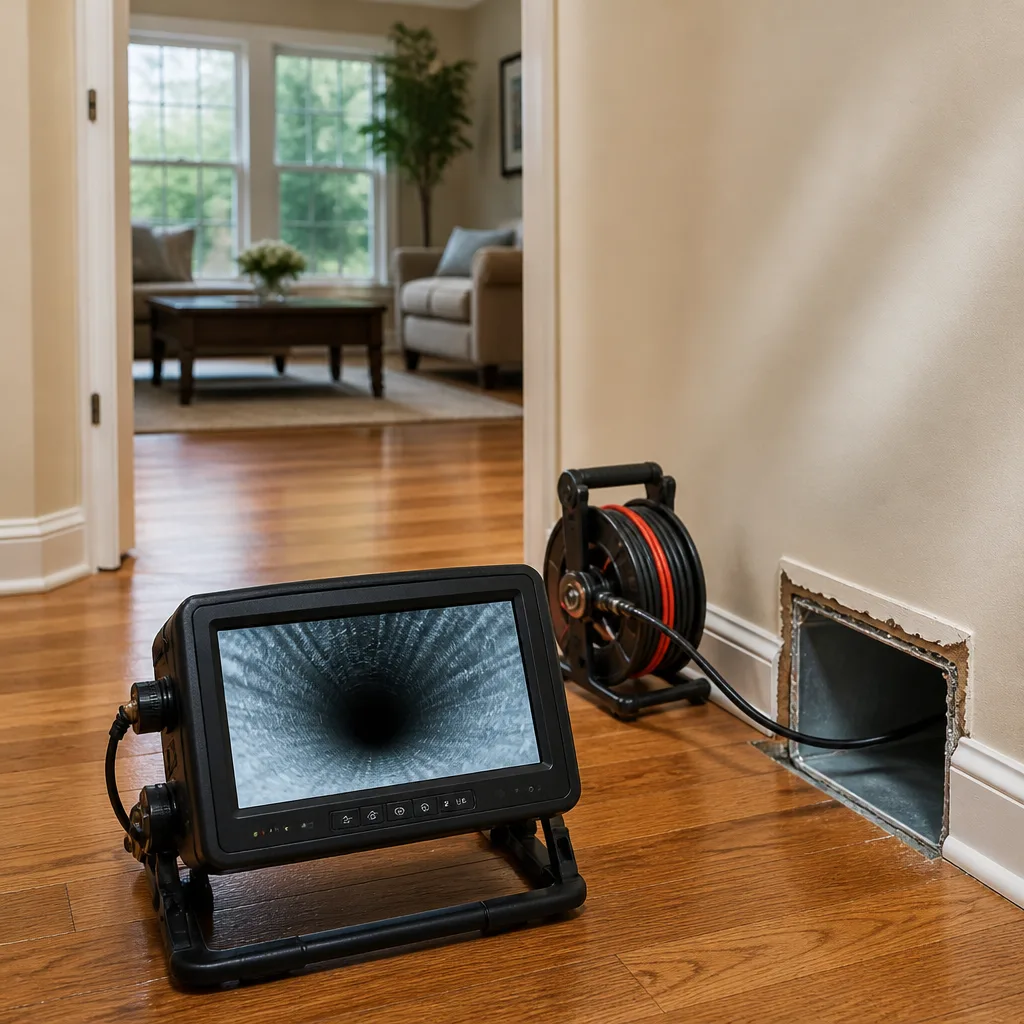 Camera inspection
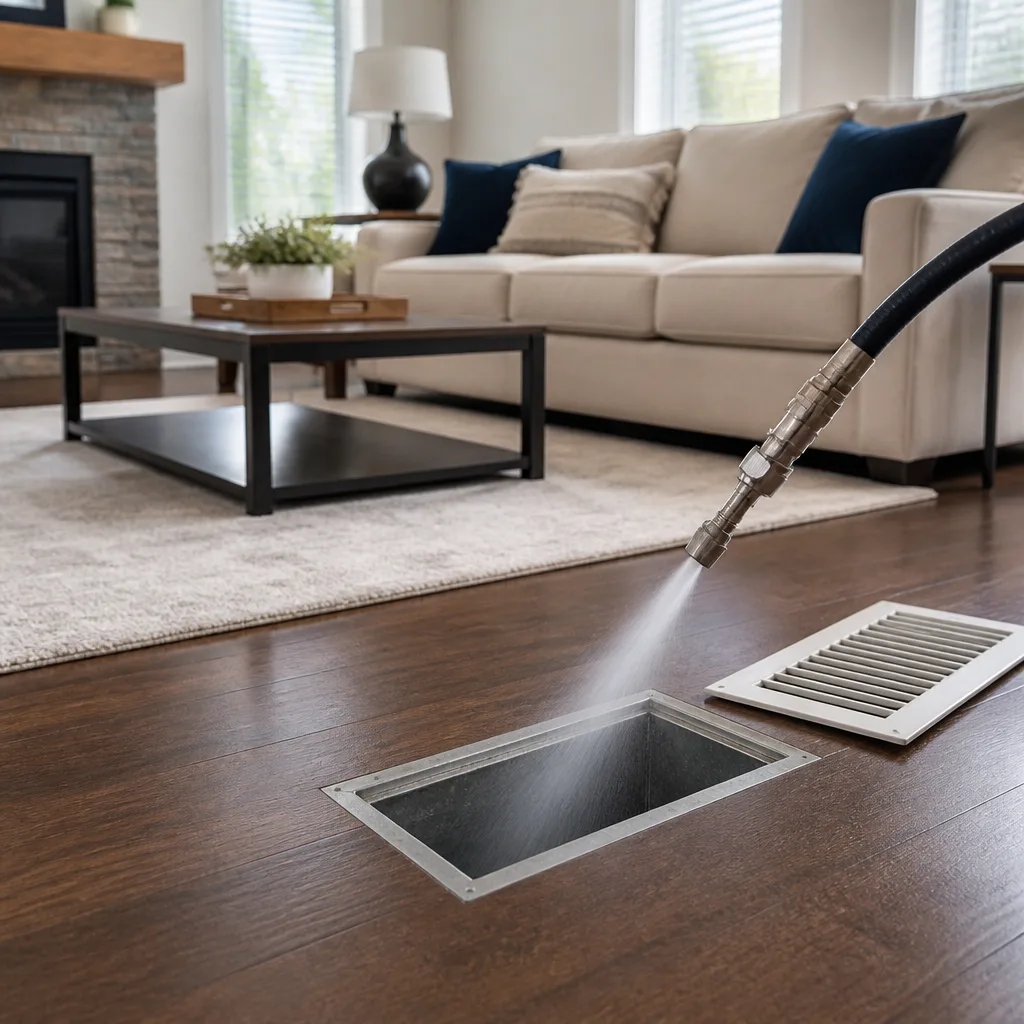 Sanitizing & deodorizing
Whole-system duct and dryer vent check with before-and-after photos - you see exactly what came out of your vents
That "$99 whole-house special" is a bait ad - the real number appears once they are in your hallway, or the "clean" is a shop-vac at the register. We photograph the inside of your ducts before and after instead.
Air Duct Cleaning Emergency Preparedness Guide for Issaquah Homes
Most Issaquah households have a plan for power outages and a kit for earthquakes. Almost none have a plan for what their duct system does during and after a regional emergency. That gap matters more than people expect. After the 2020 wildfire smoke events pushed Issaquah’s outdoor air into hazardous territory for weeks, many homes ran portable purifiers in the living room while the forced-air system kept pulling smoke through the return and coating the inside of the ductwork with fine particulates. That residue doesn’t leave when the sky clears. It recirculates every time the furnace or heat pump kicks on. This guide covers what to do before, during, and after the emergencies that actually hit the Issaquah area: wildfire smoke, earthquakes, and water intrusion.
Quick Answer
Preparing your ducts for an emergency in Issaquah means three things: knowing when to shut off your forced-air system during a smoke event, knowing what a post-earthquake duct inspection covers, and documenting your system before anything happens so an insurance claim is straightforward. After a smoke, seismic, or flood event, a professional duct assessment checks for particulate loading, dislodged flex connections, and moisture before those problems spread. Schedule the assessment once outdoor conditions are safe, not during the event.
Styles & brands we work with
- Whole-home duct cleaning
- Dryer vent cleaning
- Camera inspection
- Sanitizing & deodorizing
Table of Contents
- Wildfire Smoke Protocol for Forced-Air Systems
- What a Post-Event Duct Assessment Covers
- Earthquake Preparedness: What Seismic Events Do to Duct Connections
- Flood and Crawlspace Intrusion: The Contamination Timeline
- Pre-Emergency Documentation for Insurance Claims
- Emergency Contact Protocol: What to Tell a Duct Cleaning Company
- Building a Duct System That Recovers Faster
- Common Mistakes to Avoid
Wildfire Smoke Protocol for Forced-Air Systems
Wildfire smoke is the most likely regional air quality emergency in Issaquah, and the response isn’t obvious. The instinct is to seal the house and run the HVAC system to filter the air. Sometimes that’s right. Sometimes it pulls smoke into the ductwork and makes the problem worse. Here’s how to think it through.
The key number is AQI. Below about 100, running the system normally is fine. Between roughly 100 and 150, you want a high-MERV filter in the return (MERV 13 is a reasonable target for smoke particles, and most modern systems handle it) and you want to run the fan continuously rather than cycling with the thermostat. Above 150, the calculation changes. At hazardous levels, the system is pulling very fine particulate (PM2.5) through the return faster than a standard filter can catch it, and some of that deposits in the duct interior.
When the AQI crosses into unhealthy territory for your area, follow this sequence:
- Close all windows and exterior doors. Seal gaps around doors and windows with weatherstripping or tape if needed.
- Set the thermostat to run the fan continuously and set the filter to the highest MERV your system can handle.
- If your system has a fresh-air intake or economizer, close it off so outside air isn’t drawn in.
- If the AQI is hazardous and stays there for multiple days, shut off the forced-air system and use room purifiers with HEPA filtration in the rooms you occupy. The duct system is better off idle than pulling smoke.
- Keep a written log of dates, AQI readings, and what you ran. If you end up needing a post-event assessment, that log helps you and any adjuster understand the exposure.
After the outdoor air clears, the duct system needs a look. Fine particulate that settled inside the ductwork stays there and recirculates for months. In our experience, homes that ran their forced-air system during an extended smoke event come out of it with noticeably more debris in the return trunk and on the coil face than homes that shut down. That’s not a scare tactic; it’s a mechanical fact. The assessment is quick and the timeline matters. Call (877) 792-6439 to book a post-smoke evaluation.
What a Post-Event Duct Assessment Covers
A post-event duct assessment is not the same as routine cleaning. It’s a diagnostic, and it should be structured around the specific event that just happened. A smoke-event assessment looks at particulate loading. An earthquake assessment looks at physical connections. A flood assessment looks at moisture and microbial growth. Competent technicians tailor the visit to the event.
Here’s what a thorough post-event assessment in Issaquah should cover when you’re working with a company that runs professional-grade equipment:
- Visual inspection of the air handler, plenum, and accessible trunk runs. Inside the plenum and on the evaporator coil face, you’re looking for deposited particulate, moisture, or displaced insulation.
- Connection integrity check at every flex-duct junction. Flex duct is held by clamps and collars at the air handler and at each boot. Seismic events loosen these.
- Moisture mapping in crawlspace-served ducts. If the ducts run under the floor, any crawlspace water intrusion shows up as condensation, rust, or biological growth on the duct exterior and at the boot.
- Return and supply static pressure check. A partially disconnected flex run drops pressure and reduces airflow to the rooms it serves, which often shows up on the gauge before you notice it in the house.
- Filter and coil condition review. Post-event, this tells you what the system was pulling during the event.
- Documentation. Photographs and a written summary of findings. This is what your insurance claim will rest on.
The assessment should also tell you what the ducts are made of. Flexible duct reacts totally differently to smoke, water, and earthquake stress than rigid galvanized trunk lines do. A crew that knows what they’re looking at will say so upfront. If the assessment recommends cleaning, repair, sealing, or all three, the same visit can usually cover it when the company is set up for it. Our air duct cleaning page covers what the cleaning step involves, and the repair side is a separate scope under the same roof.
Earthquake Preparedness: What Seismic Events Do to Duct Connections
Issaquah sits in a region where earthquakes are a real hazard, and duct systems are one of the most overlooked seismic vulnerabilities in a house. Ductwork doesn’t usually fail catastrophically. What happens is subtler. Connections loosen, insulation shears, and the system slowly loses efficiency and air quality over days or weeks until you notice it.
The vulnerable spots, in order of how often we see problems after an event:
- The air handler connection. Flex duct is clamped at the plenum with a plastic collar and a zip tie or metal band. This joint takes the full force of the air handler moving independently from the rigid plenum. It’s the most common disconnect point.
- Boot connections at the floor or ceiling registers. Each boot is nailed or screwed to framing. Seismic shaking can pop nails and loosen the boot-to-duct collar.
- Support strapping. Flex duct hangs from nylon strapping between joists. Shaking can tear a strap, dropping the duct onto the ceiling or floor above, and pinching the run.
- Trunk line joints in rigid duct. Less common but possible; the seams can separate where sections are joined with slip fittings and screws.
After an earthquake, do a visual inspection yourself before you call anyone. Safe to check: visible flex duct at the air handler, boots you can reach without tools, and the supply registers where the duct enters the room. Look for duct that hangs low, kinked, disconnected, or shows a visible gap at the collar. Do not climb into a crawlspace alone or touch any electrical connection at the air handler. If you see the duct disconnected from the plenum or from a boot, don’t run the system until a professional looks at it; a disconnected return will pull unconditioned, potentially contaminated air from crawlspaces or wall cavities directly into the living space.
For the professional part of the assessment, a company that runs the kind of equipment standard in remediation settings can verify containment-grade conditions when the ducts are open. That’s the kind of setup our team works with when the situation calls for it. Call (877) 792-6439 for an on-site evaluation.
Flood and Crawlspace Intrusion: The Contamination Timeline
Water and ductwork don’t mix, and the timeline for damage is shorter than most homeowners realize. Flexible insulated duct that gets wet loses insulation value quickly and traps moisture against the interior liner. That’s the surface mold grows on. In crawlspace duct runs, you have a compounding problem: the crawlspace itself tends to hold moisture after a water event, so the ducts sit in a humid environment even after they dry.
What typically happens after a crawlspace flood event:
- Hours 0 to 24: Duct insulation absorbs water. Rigid duct may take on water in low sections and in the plenum if the air handler was affected. Airflow through the system spreads moisture into the supply runs.
- Day 1 to Day 3: Surface moisture on the duct interior liner and exterior jacket supports the beginning of biological growth. This window is when drying and dehumidification matter most.
- Day 3 to Day 7: If the ducts are still wet, mold colonizes ducts and plenums. The growth may not be visible from the registers yet, but the smell starts.
- Week 2 onward: Contaminated ductwork begins releasing spores into the living space every time the system runs. At this point, cleaning and often replacement are the practical path forward.
If your Issaquah home sits on a slope or at the bottom of a drainage area, this matters more than it does for homes on flat lots. Water events here can come from roof runoff, clogged storm drains, or crawlspace intrusions during heavy rain, not just from a full flood. The rule of thumb: if any ductwork was submerged or sitting in standing water for more than a few hours, replace it rather than clean it. That’s a comfort call, not a sales call. Insulated flex that’s taken on water stays a moisture problem even after cleaning, and no cleaning process fixes that.
For ducts that got splashed or got condensation without submersion, cleaning and sanitizing can be a good recovery. The Guardsman-treatment sanitizing we use is a named product with a documented application, not a generic spray. That differentiation matters when you’re trying to establish what was done for an insurance claim.
Pre-Emergency Documentation for Insurance Claims
Photographing your duct system before anything happens is the single most useful hour you can spend on emergency preparedness. Insurance adjusters handle duct claims better when they can see the baseline: what the air handler looked like, what the ducts were made of, and where the access points are. Without that, a claim for post-event contamination is a conversation about what “was probably there” before.
Here’s what to document, and how:
- Photograph the air handler on all sides. Include the model plate, the plenum where supply lines leave, and the return connection. Date-stamp the photos.
- Photograph every access panel and register. Note which registers are supply and which are return, and photograph inside if you can open a register without tools.
- Photograph the crawlspace duct run if you have accessible underfloor ductwork. Get a wide shot of the layout and a close-up of any existing dents, kinks, or patch jobs.
- Write a one-page summary. Include the system type (forced-air, heat pump, etc.), approximate duct material, and the filter you’re currently running. Date it.
- Store the file where you can find it under stress. Phone, cloud backup, and a physical copy in your emergency binder.
If a post-event assessment finds the duct needs cleaning, repair, or replacement, a contractor’s written report with photographs is exactly what your adjuster needs. A company set up to deliver that report as part of the visit is worth selecting for ahead of time. That’s part of why our team works with the HVAC cleaning scope as a single visit; when the system needs assessment, cleaning, sealing, and documentation together, one call covers it.
Emergency Contact Protocol: What to Tell a Duct Cleaning Company
When you call after a regional event, the person on the phone can only dispatch the right equipment and crew if you give them the right information. Most homeowners give generic descriptions and get generic responses. Here’s what actually helps.
Lead with the event type. “Wildfire smoke” tells us you’re looking at particulate loading and probably a diagnostic visit with HEPA filtration. “Earthquake” tells us you’re looking at a physical inspection with a flex-duct checklist and a static pressure check. “Flood” tells us you’re looking at moisture mapping, potentially duct replacement, and the need for Abatement Technologies negative-air containment during the work. Those are three genuinely different dispatches.
Then, the specifics that change the plan:
- Home age range and whether you know the duct material (flex, rigid, or mixed).
- Which parts of the house lost airflow or feel different since the event.
- Any visible water intrusion, and when it happened.
- Any smell that started after the event (smoke, musty, chemical).
- Whether the system is currently running or has been shut off.
- Any documentation or photos you already have.
Also useful: mention if you’re a property manager coordinating across multiple units. Multifamily buildings handle post-event dispatch differently than single-family homes, and the scope of work plus the documentation needs are larger. We work with both, and knowing upfront speeds up the walk-through.
Please note: crews are dispatched Sunday through Friday, 7am to 7pm. If you call outside those hours, the phone line is still answered and the visit is booked into the next available opening. If the situation is dangerous right now, hang up with us and call 911 or your utility first. Duct issues aren’t a same-minute emergency. Your ducts will still be there once the immediate safety concern is handled.
Building a Duct System That Recovers Faster
Some duct systems come out of an emergency in much better shape than others. That’s partly luck and partly what the homeowner built into the system beforehand. If you live in Issaquah and want to be ready for the next smoke event, earthquake, or water intrusion, these are the upgrades that pay off for recovery, not just day-to-day comfort.
Sealed and labeled access panels. Every section of ductwork that could need inspection should be reachable. If your system was originally installed with the ductwork closed up behind drywall and no access, an inspector can’t see the plenum, can’t diagnose a disconnected flex at the air handler, and can’t document the baseline. Adding access at the air handler and at the far end of trunk runs is a modest upgrade with outsized value in an emergency.
Properly supported and strapped flex duct. Flex-hanging strapping should be continuous and properly tensioned. If a strap is loose now, seismic shaking will make it looser. Have a technician check the support layout during your next cleaning. Proper support isn’t just tidy; it prevents kinking that traps debris and affects airflow recovery.
Sealed joints and properly connected boots. Duct sealing after cleaning ensures you don’t lose conditioned air or draw unconditioned air into the system. That matters more after an event, when a small separation can pull crawlspace air into a bedroom. Sealing also makes the system easier to dry and inspect.
Filtration you can swap quickly. Keep a spare of your filter size on hand and know what MERV rating your system tolerates. During a smoke event, you don’t want to be hunting for a filter. Our team carries Honeywell and Aprilaire filtration products for post-cleaning upgrades when a homeowner asks; that’s usually the moment to talk about filtration that actually holds up under smoke loading. The filters exist beyond the cheap ones from a big box store.
Dryer vent discipline. This one is easy to overlook in emergency planning. A clogged dryer vent is a fire risk, and a fire displaces residents and drives a completely different insurance process than a duct cleaning claim. Have the dryer vent cleaning done on whatever schedule you use for home maintenance, and put it on your pre-winter checklist along with the furnace filter swap.
Common Mistakes to Avoid
- Running the forced-air system through an entire smoke event. Below AQI 100 this is fine. Above 150 for multiple days, running the system pulls fine particulate into the ductwork where it stays and recirculates for months. Shut the system down when outdoor air is hazardous and use room purifiers instead.
- Skipping the post-event inspection because the house feels normal. A disconnected flex duct at the air handler can smell fine and cool the house nearly as well as a connected one, but it’s pulling air from the wall cavity or crawlspace. Visible airflow is not proof of a sound system.
- Treating flood-damaged flex duct as cleanable. Insulated flex that was submerged stays a moisture problem even after the surface is cleaned. Replacing it is the honest recommendation in most Issaquah crawlspace scenarios.
- Calling “duct cleaning” without specifying the event. A smoke call, an earthquake call, and a flood call lead to three different crews and three different equipment setups. Give the phone rep the event and the symptoms and the dispatch is right the first time.
- No pre-event photos. If you file an insurance claim after a regional event and the adjuster asks for the baseline condition of the system, “I don’t have any photos” is a hard place to be. Spend the hour before anything happens.
- Ignoring musty smells after a warm-weather rain event. In Issaquah, a wet crawlspace after heavy rain can start the biological growth timeline on ductwork within days. A smell is the early signal, not the late one. Get it checked.
- Using shop-vac style equipment on a real post-event cleanup. Consumer vacuums don’t have the HEPA containment or the airflow to handle deposited particulate from a smoke event, and they can redistribute what you’re trying to remove. The professional tools in this field (Rotobrush for contact cleaning, Nikro for HEPA-rated extraction) exist because the job requires them.
See the difference
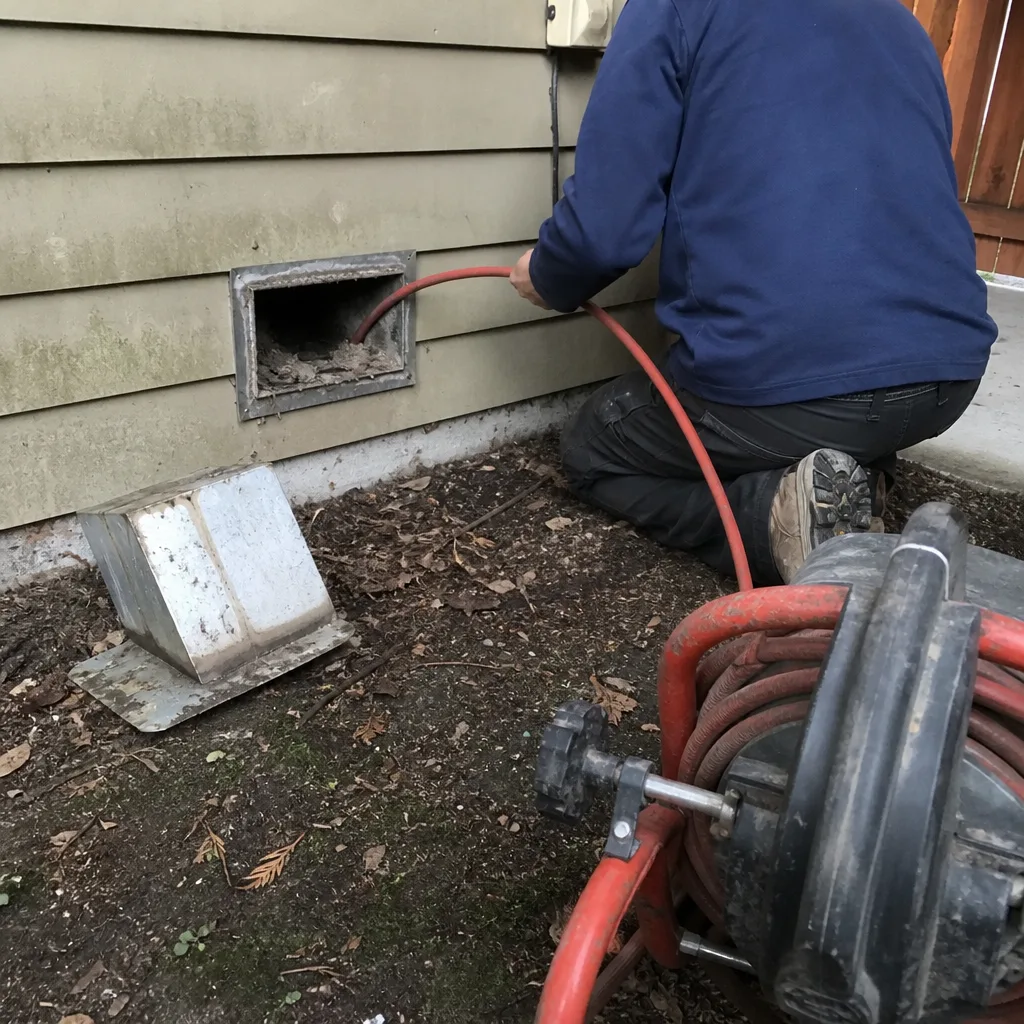 Before
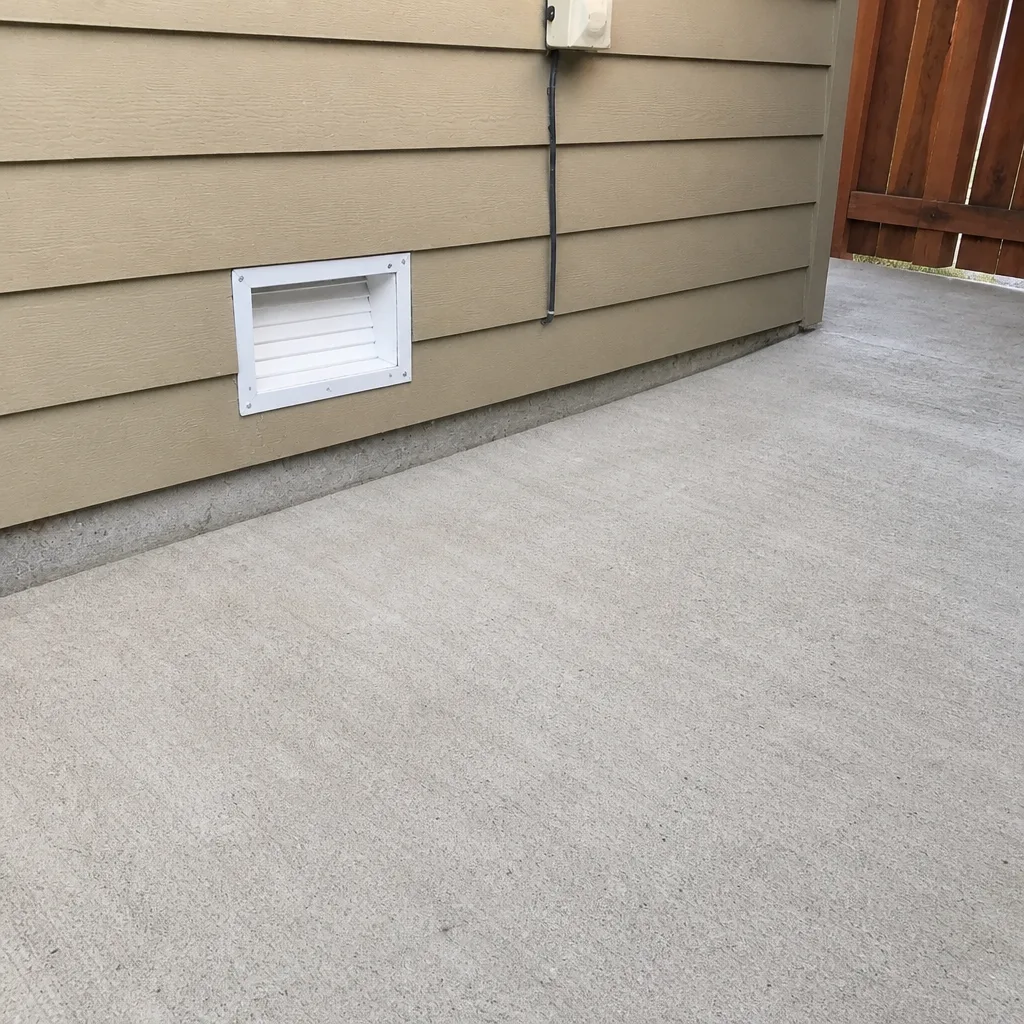 After
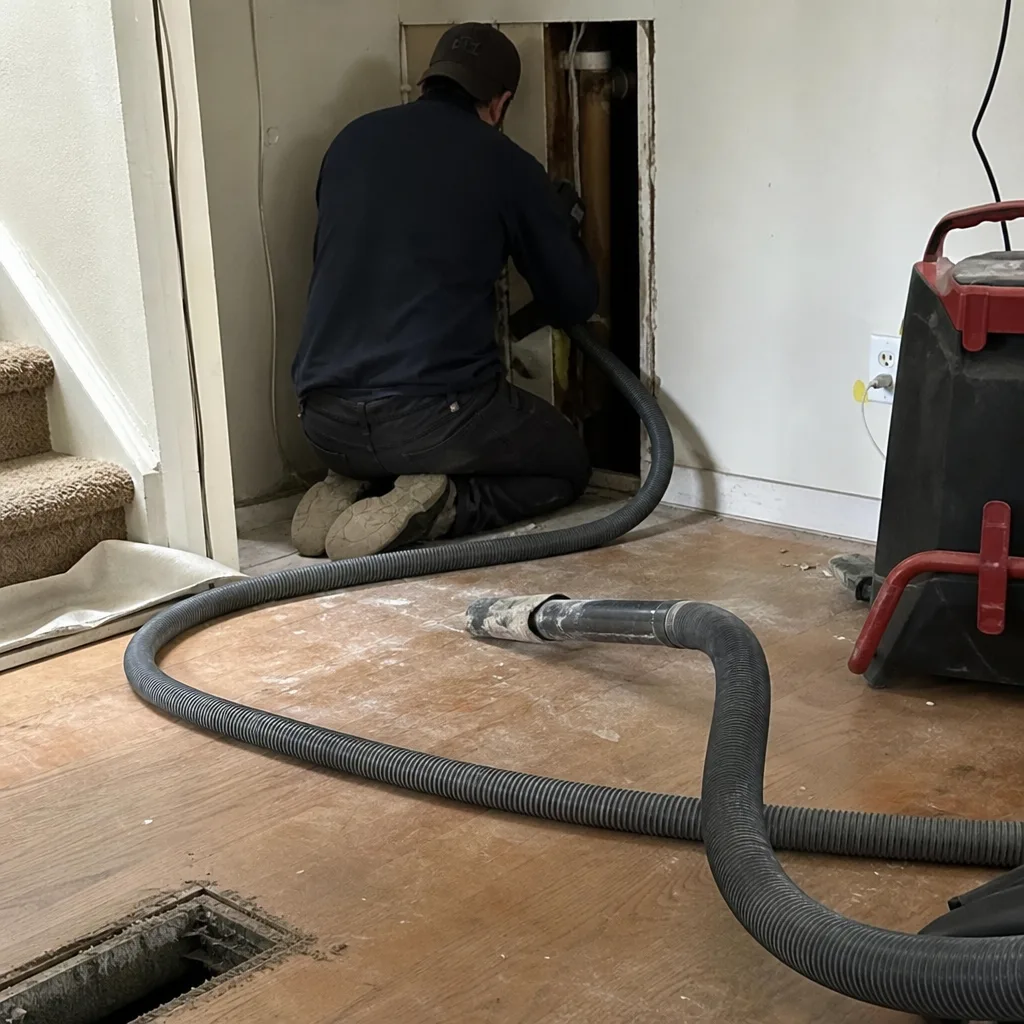 Before
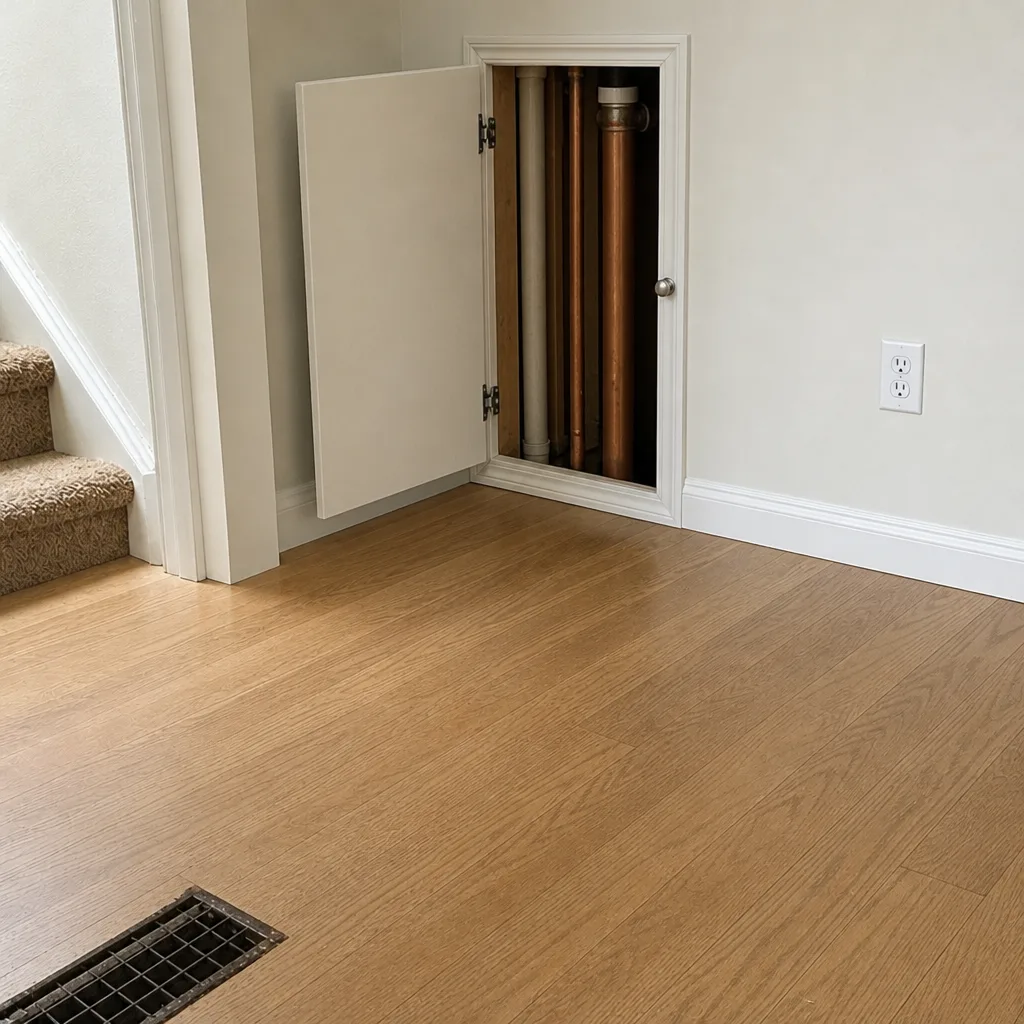 After
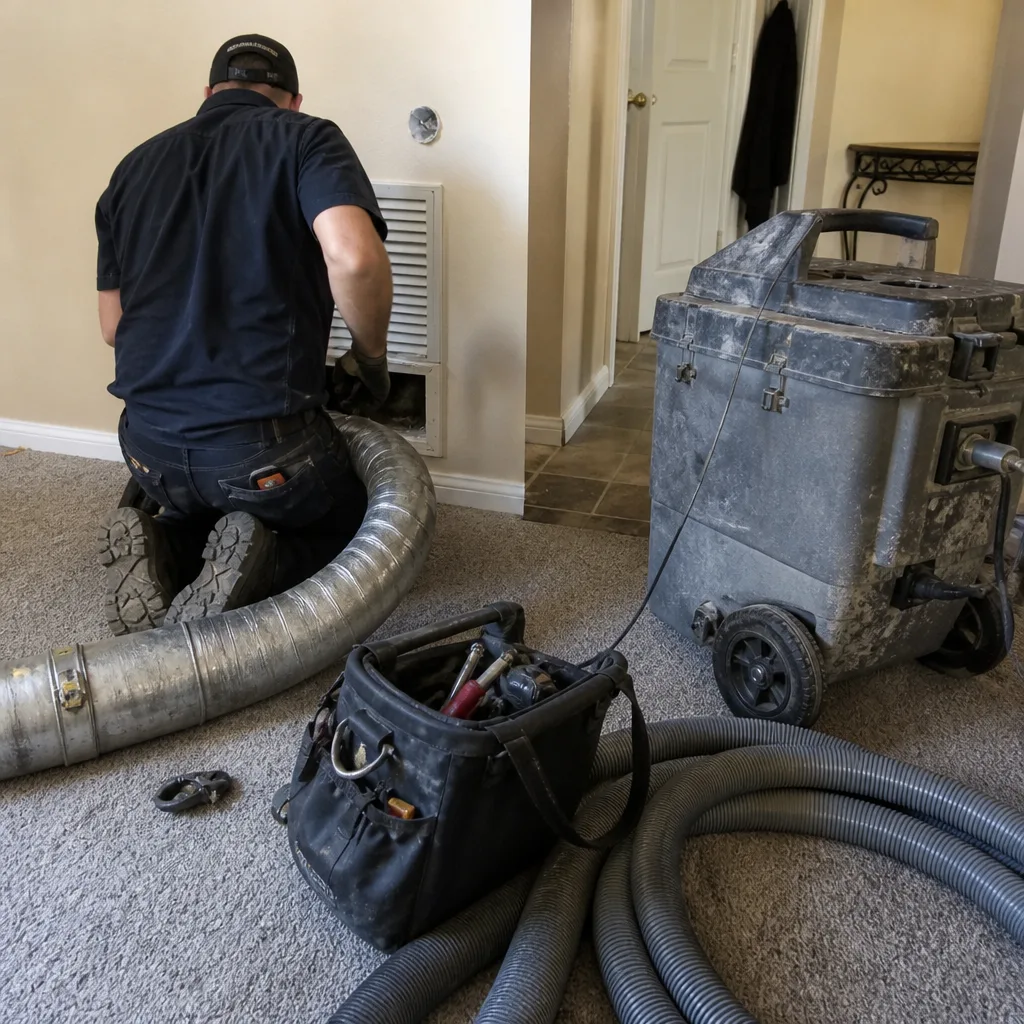 Before
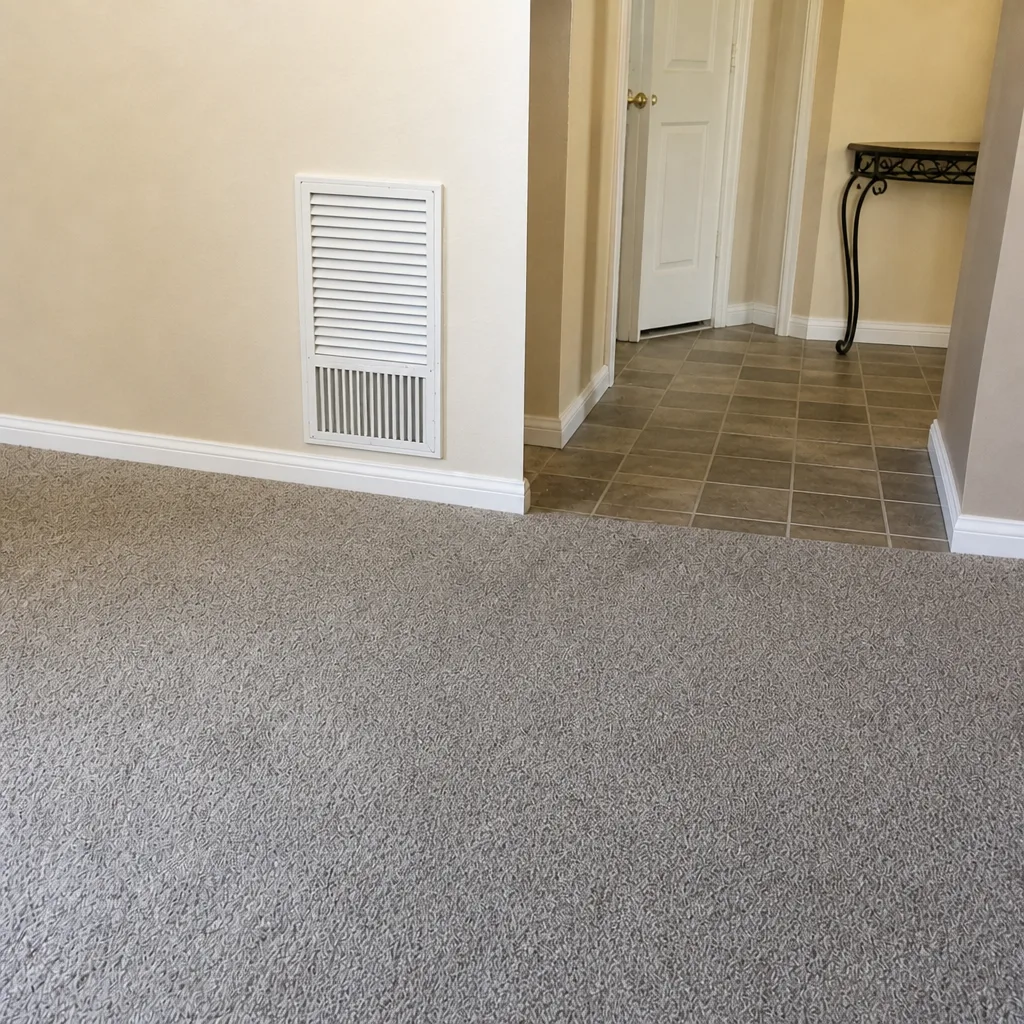 After
When to Call a Professional
Call us when the outdoor air has cleared from a smoke event and the system ran through it. Call when shaking has moved things around and you can see flex duct hanging low or disconnected. Call when water touched the ductwork, even briefly, so we can check whether it dried before biological growth started. Call after any regional emergency if the system started making noise, losing airflow, or producing a smell that wasn’t there before. Call ahead of the next event if the system has never been cleaned and you want a baseline documented.
Issaquah Air Duct Cleaning Pros offers free estimates in Issaquah. Call (877) 792-6439. We answer 24/7. Fast dispatch from 7am to 7pm, Sunday through Friday. Our technicians have up to 8 years of experience, and we bring the Rotobrush, Nikro, and Abatement Technologies equipment that makes a real post-event assessment possible. The Issaquah Air Duct Cleaning Pros team handles the full-system scope in one visit: cleaning, repair, sealing, and sanitizing.
Frequently Asked Questions
Schedule the assessment within a few weeks of outdoor air clearing, not months later. Fine particulate that settled in the supply and return runs keeps recirculating every time the system cycles, so the earlier the inspection, the less exposure time. If the system ran during AQI above 150 for multiple days, an inspection is worth doing even if you don’t clean. Call (877) 792-6439 for an exact quote; estimates are free.
Air duct cleaning in Issaquah is priced per system, not per vent, and the written estimate sets the final price before any work starts. Whole-system cleaning typically falls into the range that reflects the home’s size, number of systems, accessible duct runs, and whether repair or sealing is part of the scope. Post-event work can land higher because it often includes diagnostic inspection and documentation. Call (877) 792-6439 for an exact quote; estimates are free.
Cheaper quotes usually mean per-vent pricing that only touches the visible registers and skips the plenum, the trunk runs, and the air handler. That’s not full-system cleaning, and it doesn’t address the debris that actually recirculates. If the quote is a per-vent number, ask what equipment is used and whether the plenum and trunk runs are included, then compare that against a whole-system price. Call (877) 792-6439 for an honest whole-system estimate.
Ask for before-and-after photographs of your ducts and a written report of what was cleaned, sealed, or repaired. On a post-event job, that documentation doubles as insurance support. You should also see the equipment on-site: Rotobrush, Nikro, or Abatement Technologies rigs are visibly different from a shop-vac setup, and if the crew is only running a single hose through a register, that’s not full-system cleaning. Call (877) 792-6439 for an exact quote; estimates are free.
For most homes, every few years is enough; a duct cleaning doesn’t need to be annual. What changes the schedule is the event timeline: a smoke event, an earthquake, a crawlspace water intrusion, or a major renovation each trigger an inspection regardless of when the last cleaning was. If any of those have happened, the schedule is now, not on a calendar. Call (877) 792-6439 for an exact quote; estimates are free.
You can do the safe visual part: look at flex duct at the air handler, boots you can reach without tools, and visible registers for kinks or disconnects. Do not climb into a crawlspace alone, and never touch an electrical connection at the air handler. For anything more than a visual check, or if the system lost airflow after a seismic event, get a professional assessment. Call (877) 792-6439 for an exact quote; estimates are free.
The Bottom Line
Your duct system is the first thing that reacts to a regional emergency and the last thing most homeowners think about. Smoke events load fine particulate into the runs, earthquakes loosen flex connections at the air handler and boots, and water intrusion starts a contamination clock that runs in days, not months. The fixes are practical: shut the system down when outdoor air is hazardous, do a visual inspection after shaking, treat submerged duct as a replacement case, and photograph the whole system before anything happens. If you’re in Issaquah and an event has already passed through, a professional assessment tells you whether the ducts came through intact or need attention. Call (877) 792-6439. We answer 24/7. Fast dispatch from 7am to 7pm, Sunday through Friday.
Written by the team at Issaquah Air Duct Cleaning Pros.