
Last updated November 25, 2026
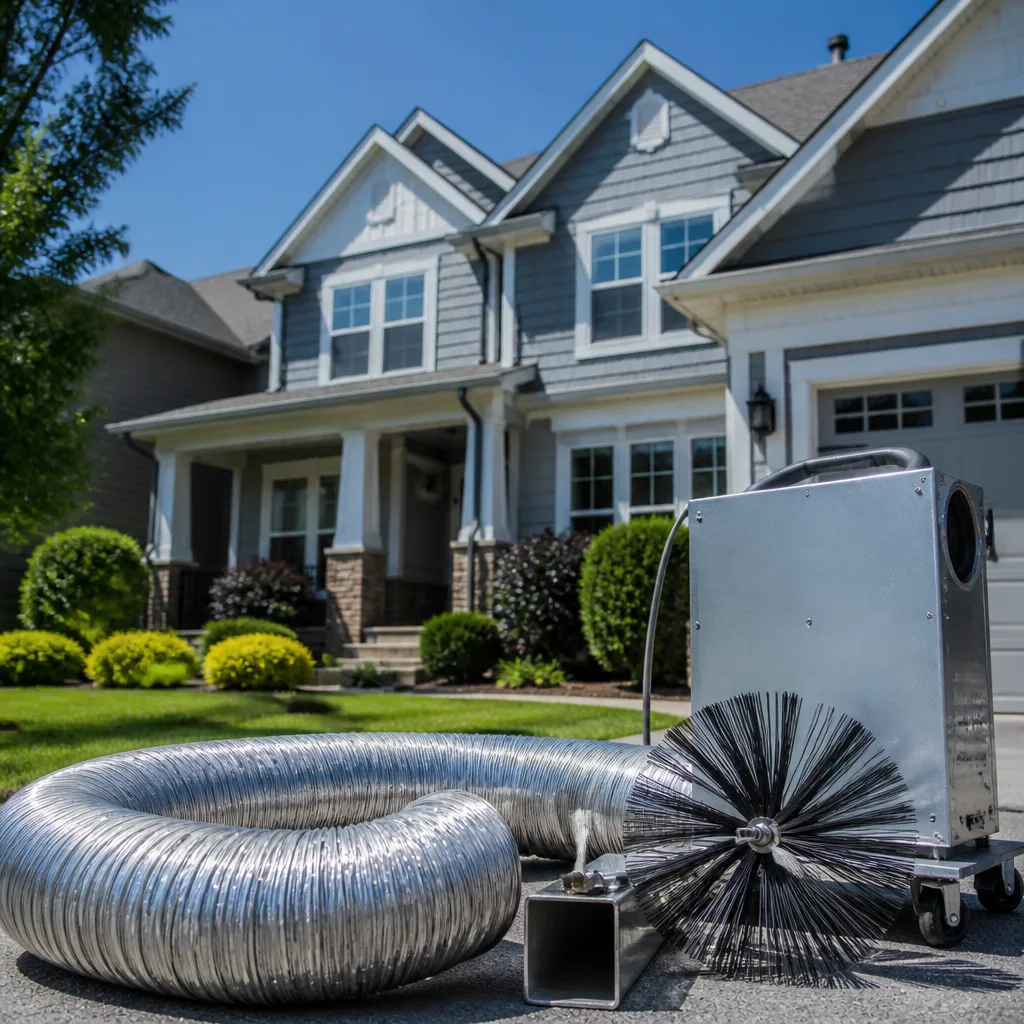 Whole-home duct cleaning
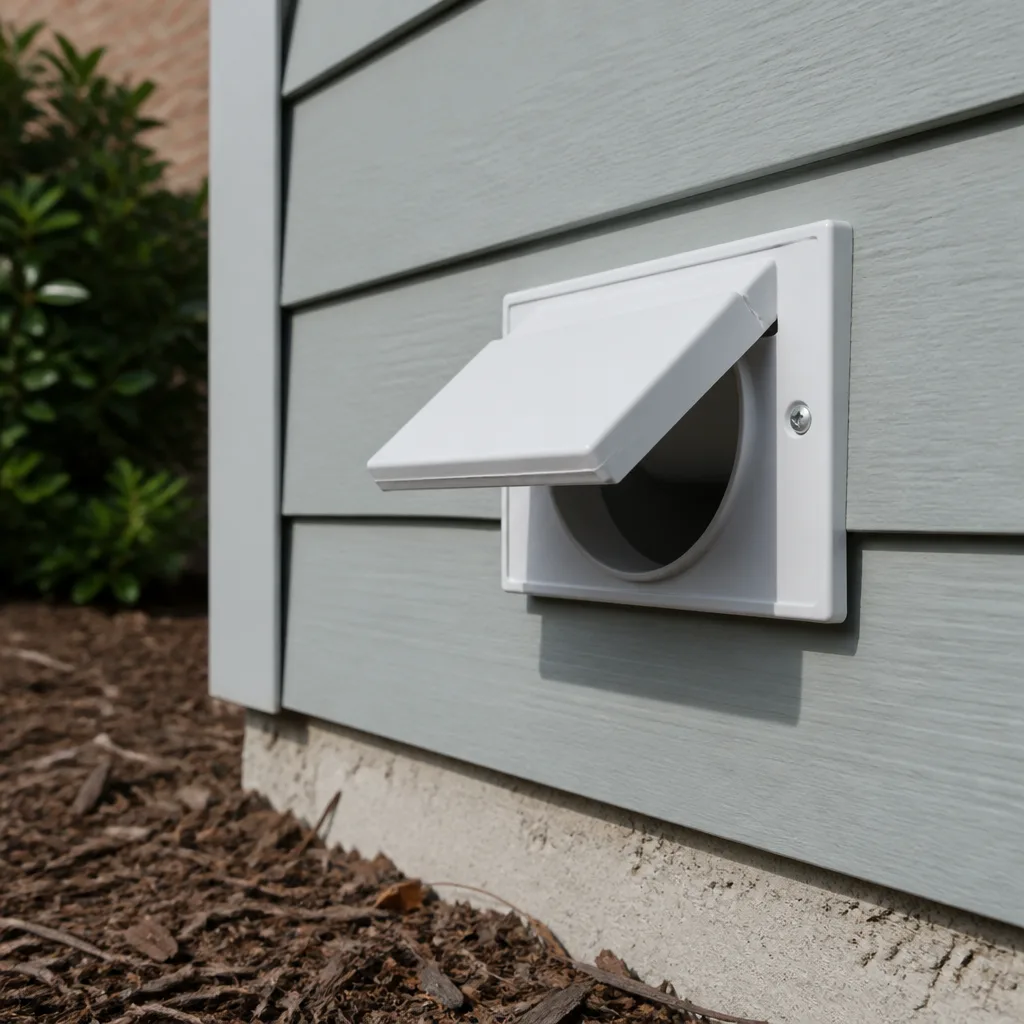 Dryer vent cleaning
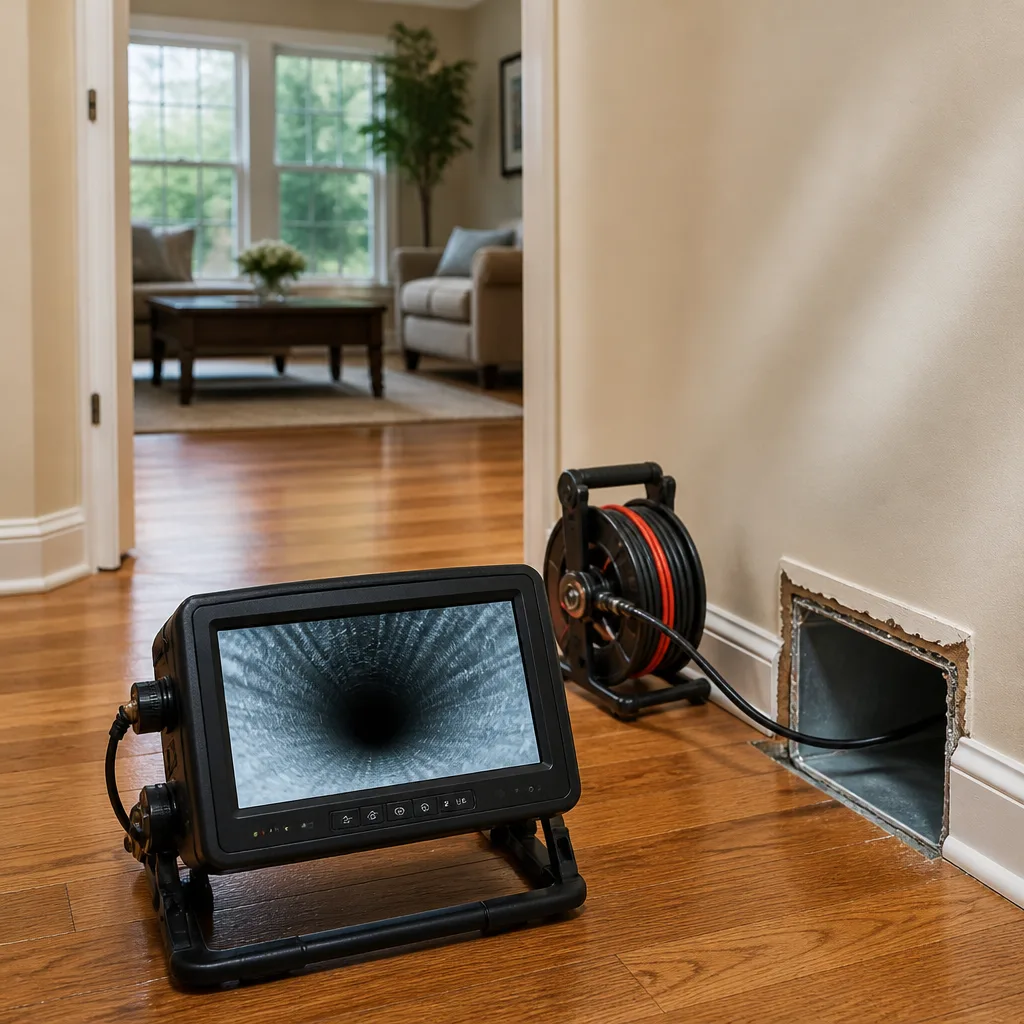 Camera inspection
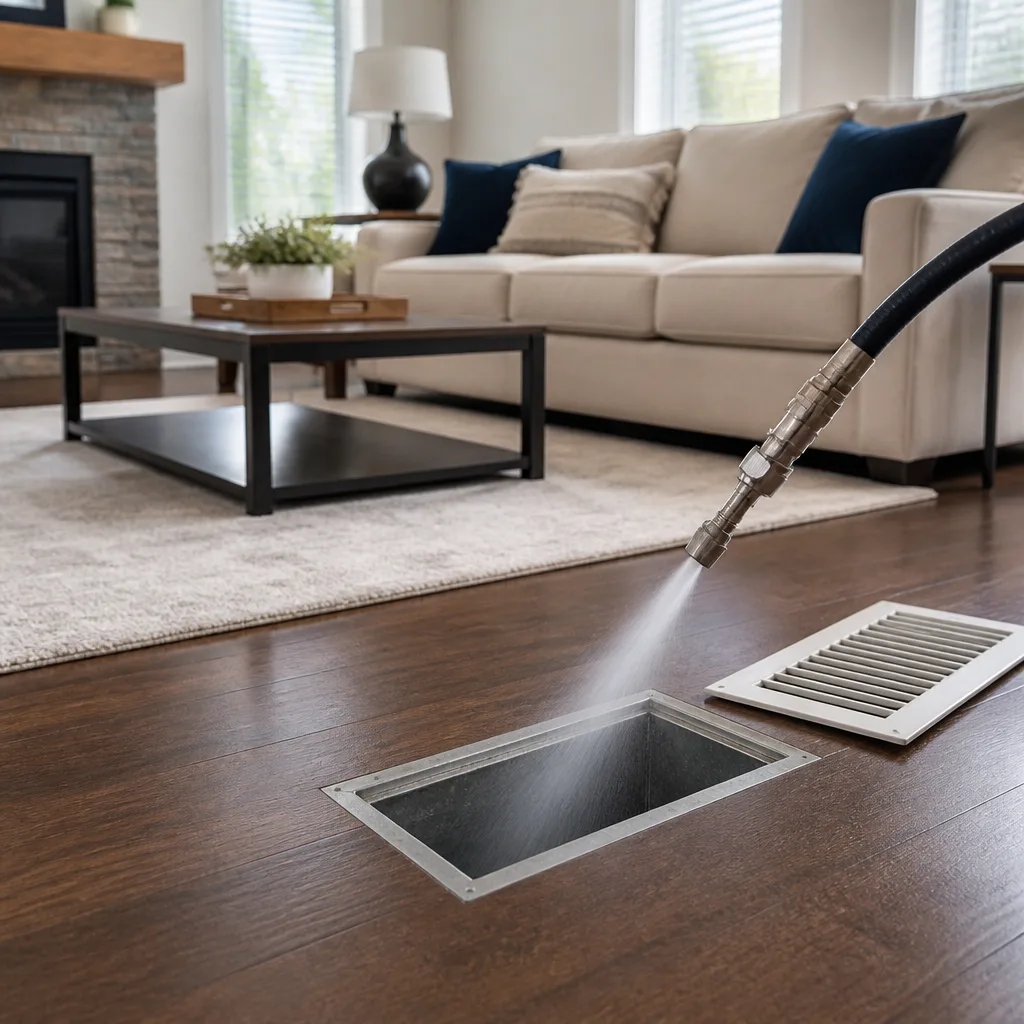 Sanitizing & deodorizing
Whole-system duct and dryer vent check with before-and-after photos - you see exactly what came out of your vents
That "$99 whole-house special" is a bait ad - the real number appears once they are in your hallway, or the "clean" is a shop-vac at the register. We photograph the inside of your ducts before and after instead.
Air Duct Cleaning Maintenance Schedule: What to Do and When
The “clean your ducts every three to five years” rule you’ve read on a dozen sites was built for an average American climate that doesn’t really exist. It assumes steady humidity, no wildfire smoke, and a house with no pets and no crawlspace. Issaquah doesn’t match that template. We have wet winters that keep crawlspaces and basements damp for months, late-summer smoke drifting in from fires east of the Cascades, and a lot of homes where the air handler sits in a crawlspace breathing that moisture all year. A calendar built for “average” will tell you to wait when you shouldn’t. This guide explains what actually drives debris buildup here and how to build a schedule around your home instead of someone else’s rule of thumb.
Quick Answer
There’s no single correct interval for air duct cleaning in Issaquah. A condition-based schedule works better than a fixed number: most homes need a professional cleaning every three to five years, but homes with pets, a crawlspace-mounted air handler, or repeated wildfire smoke exposure should get an inspection every year and a cleaning closer to every two to three years. Newly purchased older homes should get a baseline cleaning and inspection before you set any schedule at all.
Styles & brands we work with
- Whole-home duct cleaning
- Dryer vent cleaning
- Camera inspection
- Sanitizing & deodorizing
Table of Contents
- Why the 3-to-5-Year Rule Doesn’t Fit Issaquah
- The Condition-Based Schedule Matrix
- Issaquah Seasonal Triggers: Smoke, Renovation, and Wet Winters
- What to Do Between Professional Cleanings
- How to Keep a Duct Health Record
- Newly Purchased Older Homes: Set the Baseline First
- HVAC Coils and Dryer Vents: The Other Half of the Schedule
- What a Professional Visit Actually Involves
Why the 3-to-5-Year Rule Doesn’t Fit Issaquah
The three-to-five-year interval comes from national guidance written for a temperate, low-humidity baseline. It’s not wrong, exactly. It’s just averaged across the whole country, and averages hide the things that matter most. In Issaquah, four local variables push actual buildup well past what that baseline predicts.
The first is moisture. Issaquah sits in the foothills where winters are long and wet, and a lot of housing stock here – especially older homes and anything with a crawlspace – holds humidity in the lower envelope for months at a time. When an air handler or duct run passes through that damp space, dust doesn’t just sit on the galvanized steel. It cakes, and it becomes a substrate that holds moisture against the metal. That’s the difference between dust you can vacuum off and dust that’s bonded to the duct wall and needs contact cleaning to break loose.
The second is wildfire smoke. Late summer and early fall smoke events from fires east of the mountains push fine particulate into homes, and HVAC systems pull that air through the return side for days or weeks at a stretch. A filter catches some of it. The rest settles in the plenum, on the blower, and along the trunk lines. It’s a seasonal load that a national average doesn’t account for at all.
The third is pets. Issaquah has a lot of dog and cat households, and dander behaves differently from ordinary dust. It’s sticky, it clumps, and it accumulates in the return and near registers faster than the generic rule assumes.
The fourth is renovation. This is a growing, active housing market, and remodeling is constant. Drywall dust and sawdust from a kitchen or basement project travels through the whole system and settles everywhere, including places you’ll never see. A post-renovation check matters more here than the general interval suggests.
Put those together and the honest answer to “how often should air ducts be cleaned in Issaquah” is: it depends on which of these your home has, and how many. The next section turns that into something you can actually use.
The Condition-Based Schedule Matrix
Instead of one number, think in conditions. Add up the conditions your home meets, and the schedule follows. This is how we approach it: match the cleaning interval to what’s actually loading the system, not to a calendar someone printed in a brochure.
The matrix, in short:
| Conditions your home has | Inspection interval | Professional cleaning interval |
|---|---|---|
| None of the below (no pets, no smoke exposure, sealed crawlspace or slab, no recent renovation) | Every 3 years | Every 4 to 5 years |
| One or two pets | Every 2 years | Every 3 years |
| Air handler or duct runs in a vented crawlspace | Every 2 years | Every 2 to 3 years |
| Pets and crawlspace and repeat wildfire smoke exposure | Every year minimum | Every 2 years |
| Recent renovation (drywall, flooring, painting, structural) | Immediately after the project | Immediately after the project |
| Newly purchased home of unknown history | Before you move in or shortly after | Before you move in or shortly after |
Read it as a floor, not a ceiling. If you’re at the “annual inspection minimum” row, that inspection is the point: a quick camera check and a look at the blower and return tells you whether it’s time, without committing to a full cleaning you don’t need yet. If you’re in the bottom rows, the schedule is “now” – the interval doesn’t apply until you’ve reset the baseline.
Two practical notes. First, “inspection” and “cleaning” are different jobs. An inspection can be short; a cleaning is a process. Second, don’t treat the matrix as fixed forever. A home that had no pets two years ago and has two now has moved down a row. Reassess whenever something changes – a new pet, a renovation, a bad smoke season, a move.
Issaquah Seasonal Triggers: Smoke, Renovation, and Wet Winters
Beyond the conditions matrix, three calendar events in Issaquah reliably trigger a cleaning need. They’re worth putting on your own calendar so you don’t have to remember them.
1. The post-smoke-season cleaning (fall). When late-summer smoke from eastern Washington fires pushes into the foothills, the HVAC system runs hard to keep indoor air tolerable. By the time the rains return in October, the return plenum and blower have collected a season’s worth of fine particulate. A fall cleaning, right after smoke season winds down, resets the system before the wet months when windows stay shut. This is the single highest-value addition to a standard schedule for most Issaquah homes.
2. The post-renovation check. Drywall dust is fine, abrasive, and invasive. It gets past drop cloths, into the return, and onto the blower. After any project that disturbs walls, ceilings, or floors, schedule a check – the building dust doesn’t stop at the room you worked in.
3. The pre-winter crawlspace inspection. Before the long wet season, look at any ductwork that runs through a crawlspace. Sagging flex duct, disconnected joints, or torn insulation become a moisture problem fast once the ground stays wet for months. Catching a disconnected run in October is much easier than finding it in February.
Around the margins, a few smaller triggers are worth watching: a new pet in the house, a noticeable dust film returning faster than usual on your furniture, musty odors when the system first kicks on, or visible dust puffing from a register. None of these alone demands a full cleaning. Together, or repeated, they’re a signal to inspect.
What to Do Between Professional Cleanings
Most of the work of a healthy duct system happens between professional visits. Small habits keep accumulation down, and they’re what lets a longer interval actually hold.
- Change your filter on schedule, not on memory. Check it monthly and replace it when it’s visibly loaded – typically every one to three months depending on MERV rating, pets, and dust load. A clogged filter starves airflow, strains the blower, and lets more debris bypass into the system.
- Pick the right filter grade. Higher MERV isn’t automatically better in a residential system. Restrictive filters can overload a blower not designed for them. Match the grade to your system and change it faithfully rather than going as high as possible.
- Vacuum and wipe registers. The supply and return registers are the visible edge of the system. Wiping them and vacuuming the slats keeps dust from being pulled straight back through when the system runs.
- Watch the return. The return grille is where the largest volume of air enters. If it’s noticeably dirty, the system is telling you something about what’s inside.
- Keep the mechanical space dry. Around a crawlspace air handler, a dehumidifier or proper vapor barrier can matter more to duct health than the cleaning interval. Moisture is what turns ordinary dust into bonded debris.
- Track air quality in the house. A cheap indoor air quality monitor will show you when particulate or humidity climbs – information you can hand to a technician instead of describing it from memory.
What you shouldn’t do is open up ductwork or reconfigure the system yourself. Sealed duct joints and return plenums are part of the pressure balance of the whole house, and a DIY fix can quietly undo it. That’s a job for a technician with the right gear, and it’s often where we find the real problem.
How to Keep a Duct Health Record
Most homeowners show up to a duct cleaning appointment with no history at all. They remember it was cleaned “a while ago” and they think the system “seems okay.” That’s not useful data – it’s a guess. A simple log changes the conversation, because the technician can work from facts instead of a hunch.
Here’s what to log, and it takes about two minutes per entry:
- Date of every filter change, and the MERV grade you used. This alone tells you your system’s real loading rate.
- Date and type of any professional visit – cleaning, repair, sealing, dryer vent clearing. Note what was removed and what was replaced.
- Smoke events – roughly when a bad air quality stretch happened. Issaquah gets these most years, and the date helps a technician gauge exposure.
- Renovation dates, even small ones. Drywall and flooring projects are the ones that matter.
- Pets – how many, and how many shed heavily. Note additions.
- Observations: musty smell on startup, dust on furniture returning quickly, visible filter bypass, poor airflow to a specific room.
Keep it in a note on your phone or a paper log taped inside a closet door. It doesn’t need to be elaborate. What it does is give a technician a real timeline – and that timeline is often what tells us whether a system needs a light touch or a full clean. It also tells a property manager exactly what was done and when, which matters when you’re responsible for several units.
If you’re already booking an appointment, you can read more about air duct cleaning to understand what the visit itself covers.
Newly Purchased Older Homes: Set the Baseline First
If you’ve just bought an older home in Issaquah, don’t set a cleaning schedule yet. You don’t have the information. The previous owner may have cleaned the system regularly, or never touched it, and there’s generally no reliable record either way. The starting point for a new-to-you house is a baseline inspection and cleaning, not an interval.
Here’s the order that works:
- Inspect before you schedule anything recurring. A camera inspection of the trunk and main runs tells you the actual condition – dust load, debris, disconnected joints, moisture staining, any pest activity in the crawlspace or attic.
- Clean once, to reset. A full cleaning establishes a known starting state. From that point forward, the schedule means something.
- Repair and seal what turned up. Older homes often have disconnected flex runs, torn insulation, or unsealed joints. Cleaning without sealing leaves the system leaking – and a leaking return pulls in crawlspace air. This is where a single-company visit that handles cleaning, repair, and sealing together saves you a second contractor and a second appointment.
- Then set the interval using the condition matrix above, with the baseline date as day one.
The same logic applies to any home whose duct history is a mystery, including properties you’re about to rent out or take over as a manager. A baseline is the only thing that makes a future schedule meaningful. Property managers responsible for multiple units especially need this: without a baseline per unit, you’re guessing at every future visit.
It’s also a good moment to look at air quality products if the home’s filtration is weak. Honeywell and Aprilaire components can be added to the system to improve filtration going forward, and after a baseline clean is a natural time to plan for the next stage rather than retrofit later.
HVAC Coils and Dryer Vents: The Other Half of the Schedule
Ductwork isn’t the whole system, and a schedule that only tracks ducts will miss two components that matter just as much.
HVAC cleaning. The air handler’s coil and blower are where dust and smoke particulate actually collect first. A regular duct clean is fine, but if the coil is caked, the clean hasn’t really helped the air. A proper HVAC cleaning covers the coil, blower, and drain pan alongside the ductwork, and on a condition-based schedule it belongs in the same rotation – typically inspected at the same visit as the ducts.
Dryer vent cleaning. This one is a safety item, not just a maintenance item. Lint buildup in a dryer vent restricts airflow and is a well-known fire hazard. In a wet-climate home, lint can also stay damp and mat against the vent wall in ways that make blockages worse. Dryer vent cleaning should be on a schedule of its own – inspected annually in most households, and more often if you have a large family or run many loads. It’s not a job for a shop-vac from the outside. The correct process runs the full length of the vent, and it belongs in your duct health record alongside the duct schedule.
Both of these are often missed because the duct schedule tends to be the only one homeowners think about. Build a single calendar covering all three – ducts, HVAC, dryer vent – and you’ll catch problems before they turn into repairs.
What a Professional Visit Actually Involves
It helps to know what a professional cleaning technically involves, so you can tell the difference between a real job and a quick pass with a vacuum hose.
- Inspection first. Before anything is cleaned, the technician inspects the system – camera down the main runs, look at the blower and coil, check for disconnected or damaged sections. This step is what produces the actual recommendation.
- Containment. Negative-air equipment – the kind used in remediation settings – keeps dust from migrating into living space while the system is opened up. It’s the difference between a controlled job and a dusty one.
- Contact cleaning of the duct surfaces. A rotating brush system physically scours the duct walls, which is what removes bonded debris rather than just surface dust. Rotobrush contact cleaning is the standard here, and industrial HEPA extraction afterwards pulls the loosened material out.
- Cleaning of the air handler and coil. The blower, coil, and drain pan get cleaned and inspected at the same visit. Air quality work starts here, not at the register.
- Repair and sealing. Any disconnected joints, torn flex, or unsealed sections get fixed and sealed so the cleaned system stays clean.
- Sanitizing where warranted. A documented antimicrobial treatment – Guardsman-backed – provides a traceable layer beyond mechanical cleaning when the inspection calls for it.
- Documentation. Before-and-after photos of the system and a record of what was cleaned, repaired, and sealed. This is what makes the duct health record useful for the next visit.
The tools matter because they set the ceiling on what’s achievable. Consumer-grade vacuums can lift loose dust. Industrial HEPA extraction plus contact brushing can restore a duct wall. Negative-air containment is what keeps the process clean in the home. Abatement Technologies negative-air units and Nikro industrial HEPA vacuums are the kind of equipment used in remediation-grade work, and the visit should be built around them.
What you should expect from any full-system visit is a job that assesses, cleans, repairs, seals, and documents in a single engagement. A visit that only vacuums the accessible runs isn’t the same thing. It’s a different, shorter job – and it’s the reason so many homeowners end up calling a second contractor.
Common Mistakes to Avoid
- Following the 3-to-5-year rule blindly. In Issaquah, a home with pets, a crawlspace air handler, and a bad smoke season has a different real interval than the national average. Match the schedule to the conditions, not the brochure.
- Setting a schedule on a home of unknown history. A newly purchased older home needs a baseline cleaning and inspection before any interval means anything. Skipping this step makes every subsequent visit guesswork.
- Skipping the repair-and-seal step. Cleaning a system with disconnected or torn runs leaves the leaks in place, and a leaking return pulls crawlspace air straight into the house. Cleaning without sealing is half a job.
- Treating a filter change as the whole plan. A fresh filter helps, but it doesn’t remove what’s already settled in the duct. Filter maintenance and professional cleaning are two separate jobs.
- Using a high-MERV filter that overloads the system. A filter too restrictive for the blower can cut airflow and strain the equipment. Match the grade to the system, not to the highest number on the shelf.
- Forgetting the dryer vent and HVAC coil. These are as important as the ducts, and they’re frequently missed. A schedule that covers only the ducts is an incomplete schedule.
- Keeping no record. Without logged dates, filter grades, and observations, every visit starts from zero. A two-minute log turns guesses into real diagnostics.
See the difference
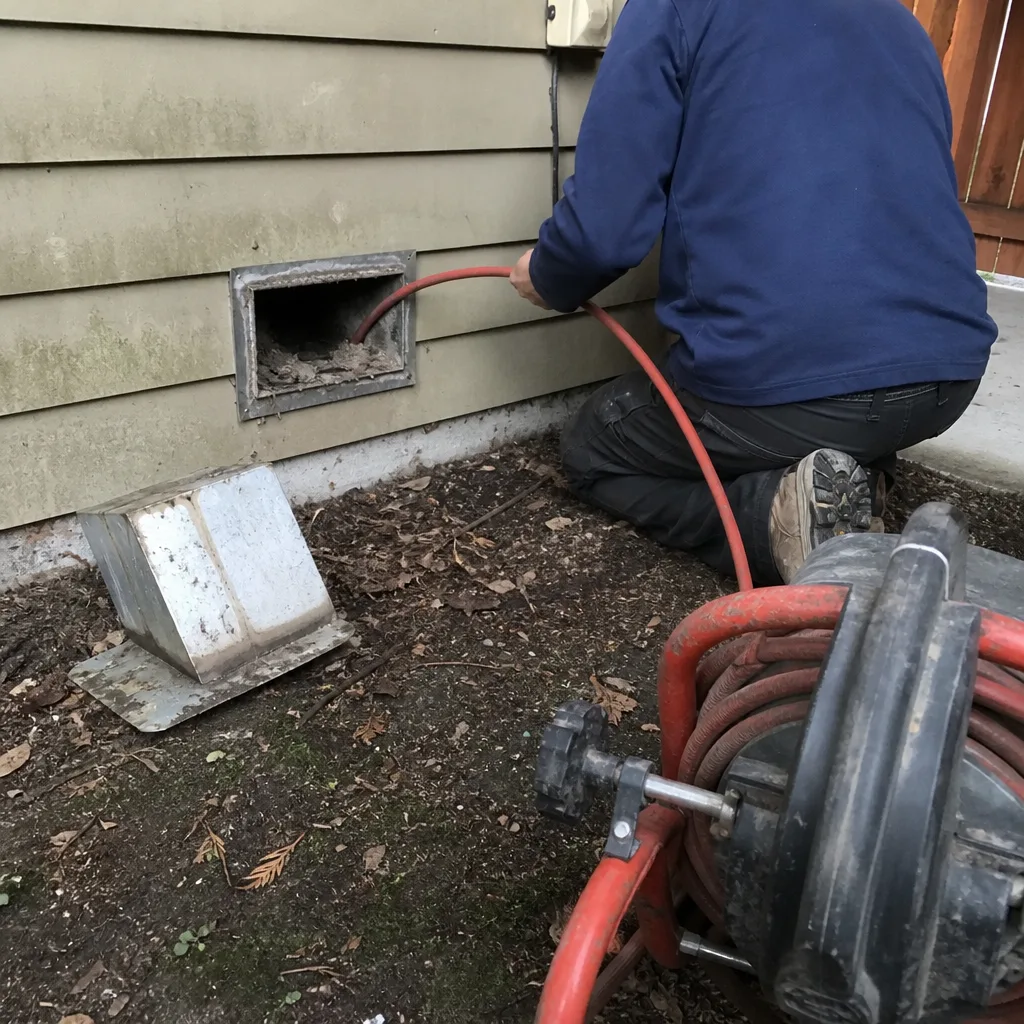 Before
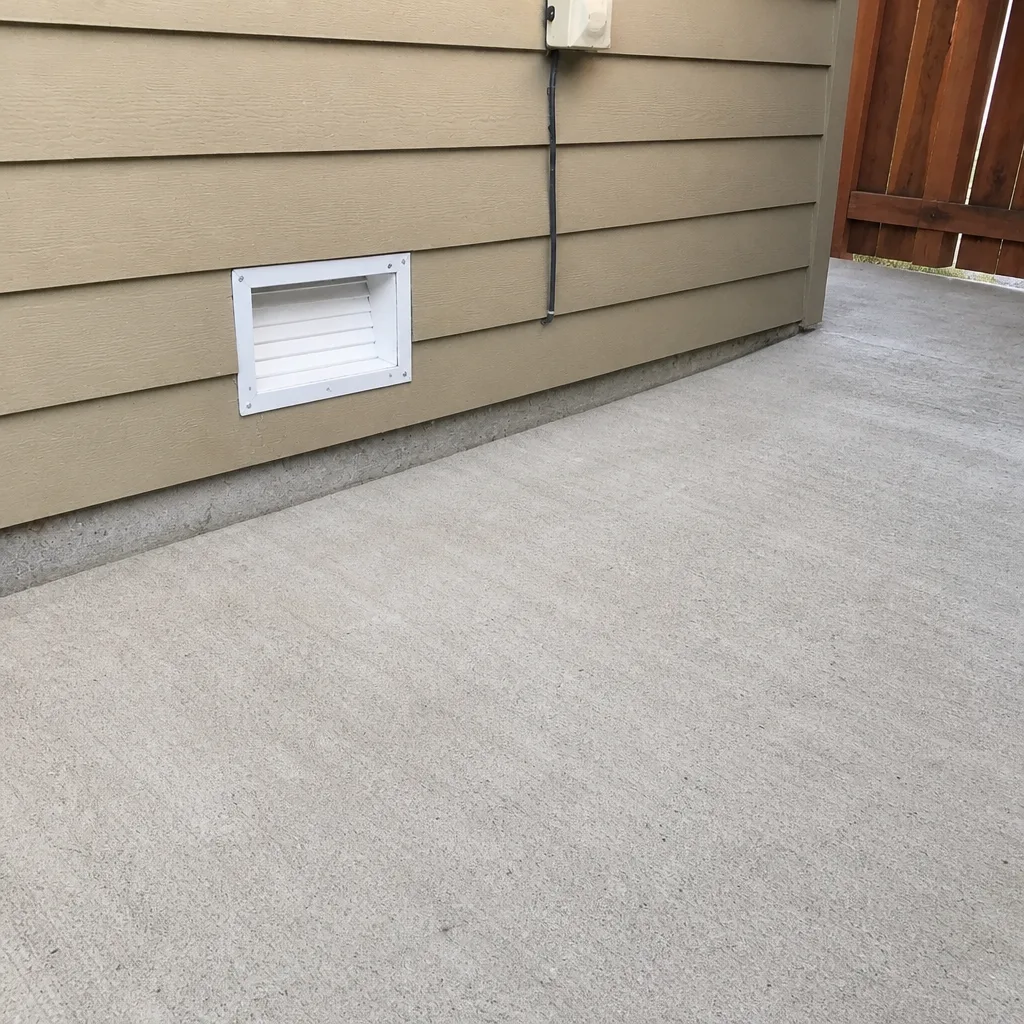 After
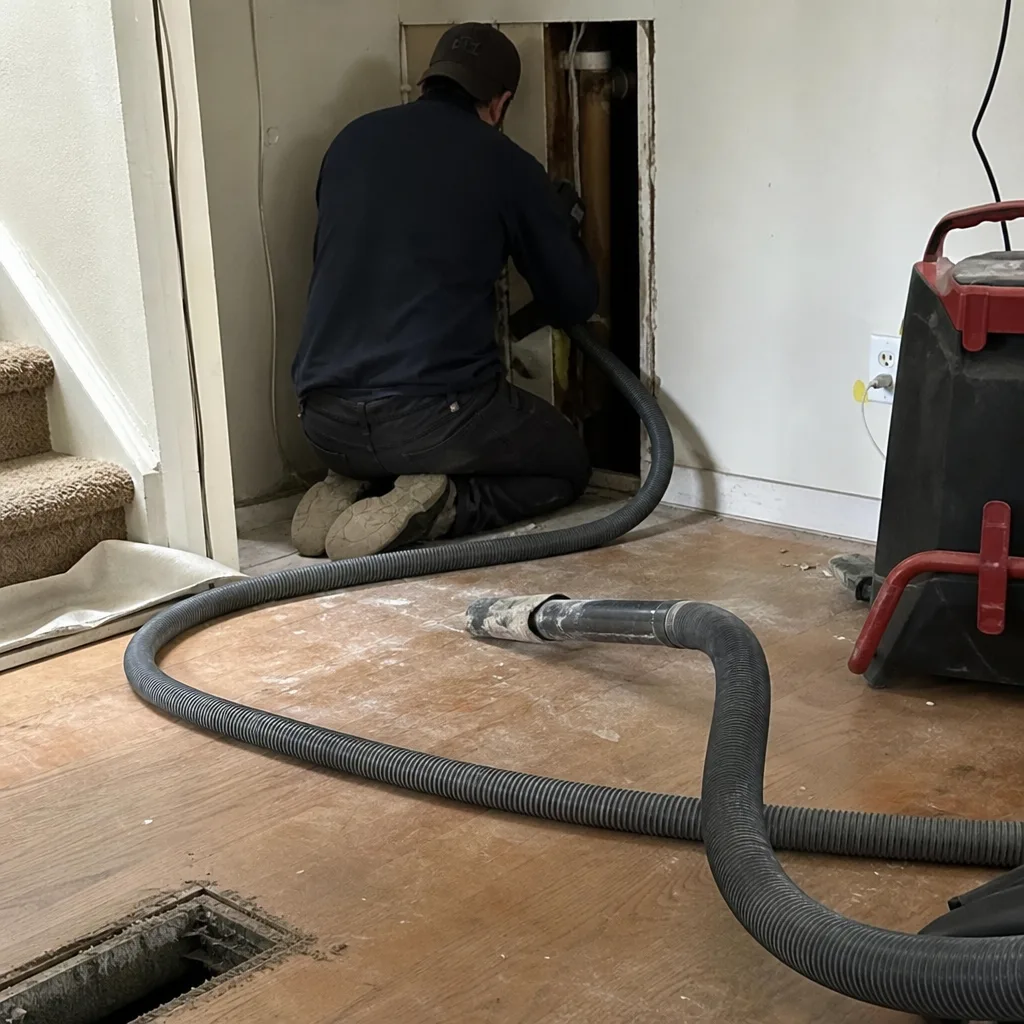 Before
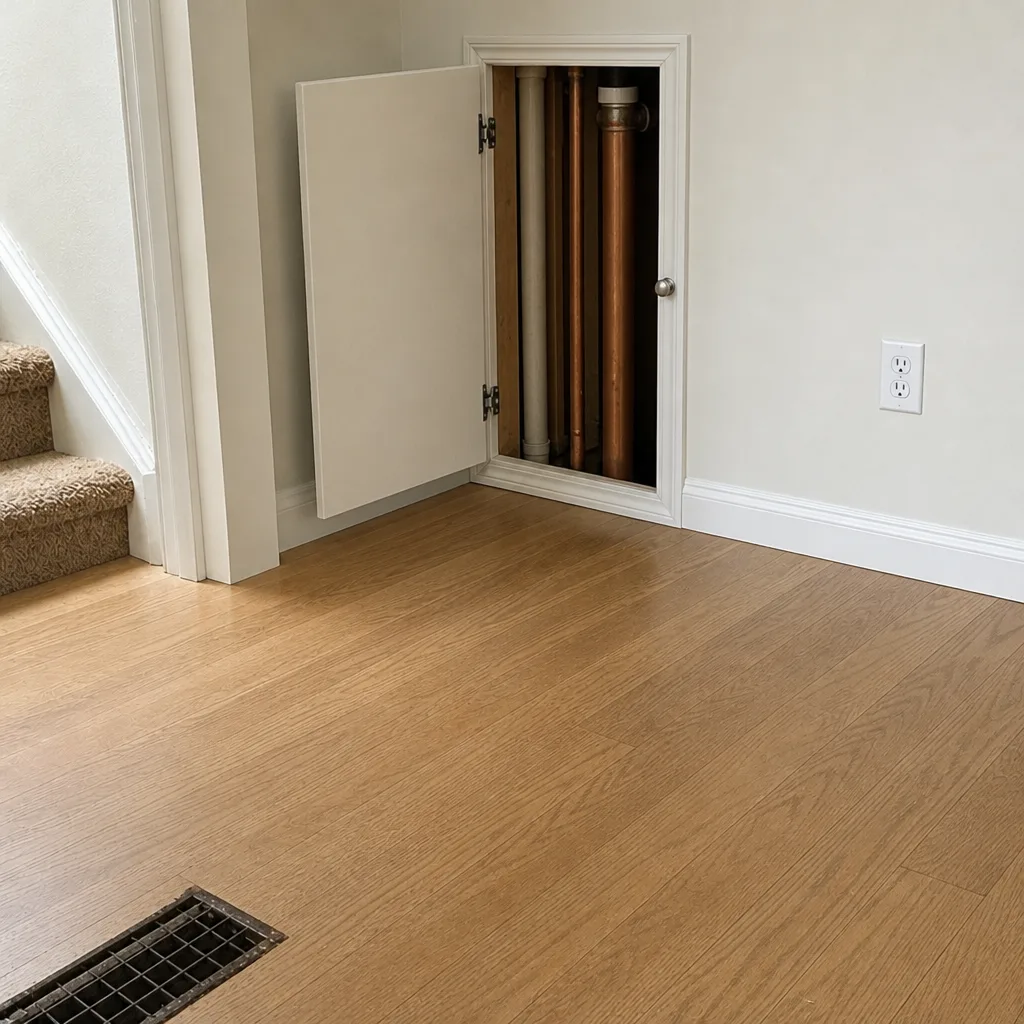 After
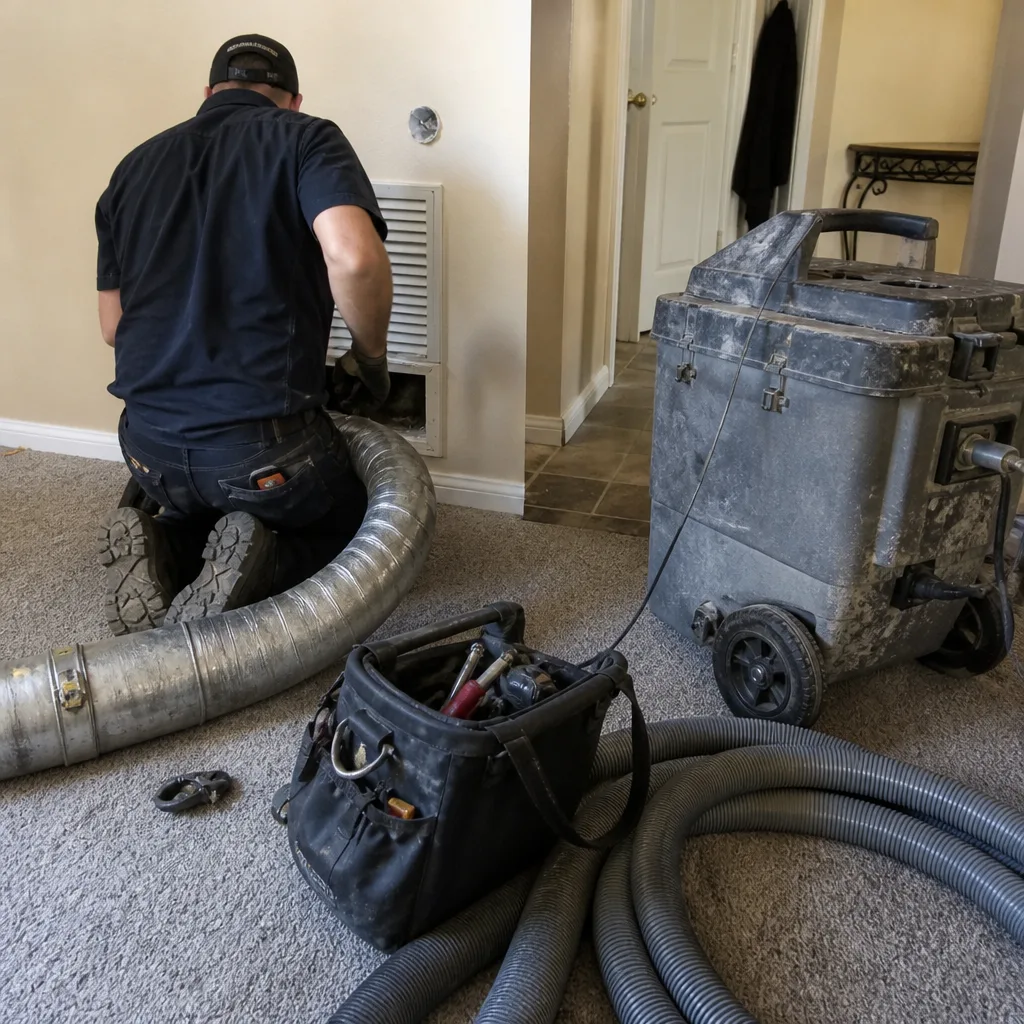 Before
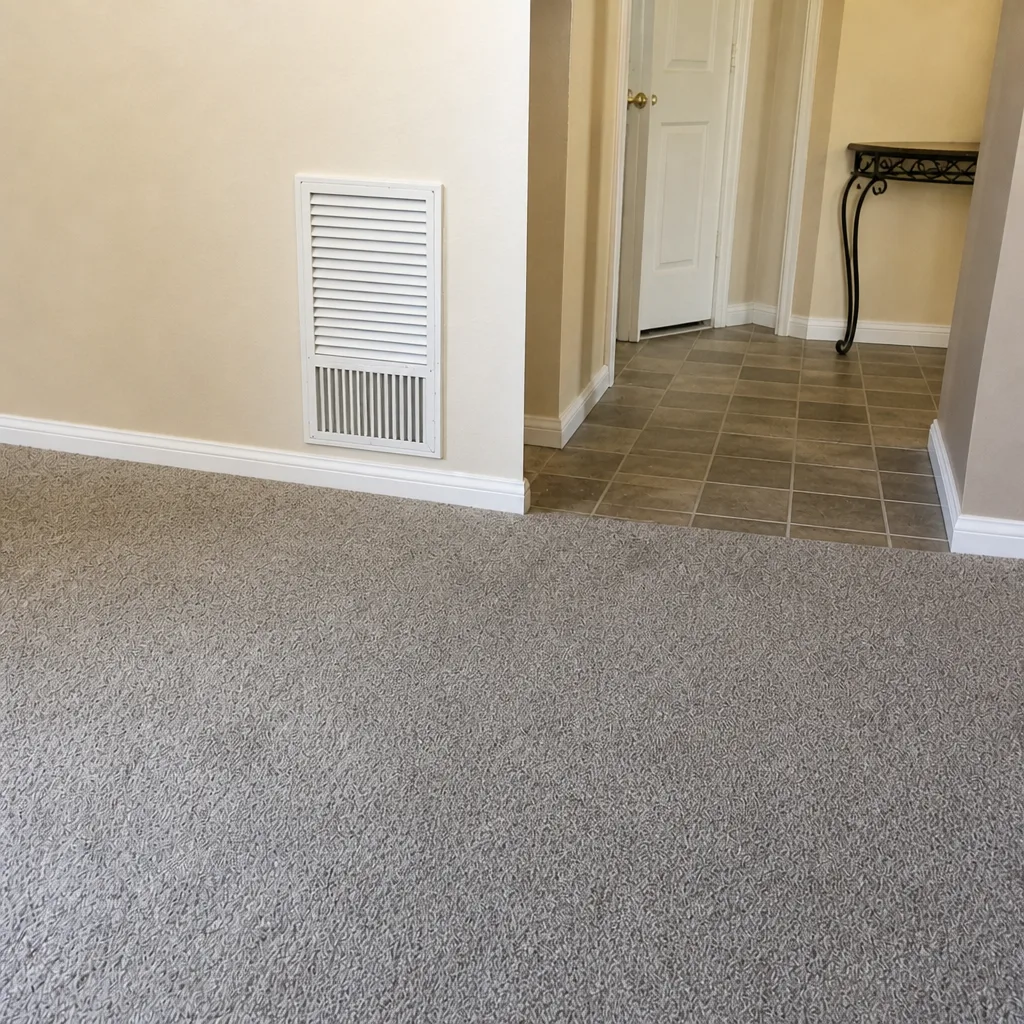 After
When to Call a Professional
Some situations don’t fit a schedule at all – they need a visit now. If you’ve just finished a renovation and drywall dust filled the house, if the system emits a musty smell on startup that doesn’t clear, if a room has noticeably weaker airflow than the rest, or if you’ve just bought an older home with an unknown duct history, call a professional rather than wait for the next interval. The same goes for any sign of moisture staining around a crawlspace air handler, or a dryer that suddenly takes longer to dry a load.
For most homeowners, the decision comes down to one thing: is this a scheduled clean, or is it a diagnostic? A technician with camera gear and the right containment equipment can answer that in a single visit. Issaquah Air Duct Cleaning Pros offers free estimates in Issaquah – call (877) 792-6439 to book an inspection and get a clear recommendation, whether you’re setting a first-time schedule or resetting one that doesn’t fit the house anymore.
Frequently Asked Questions
Most Issaquah homes should have air ducts cleaned every three to five years, but a condition-based schedule works better than a fixed number. Homes with pets, a crawlspace air handler, or repeat wildfire smoke exposure should be inspected annually and cleaned closer to every two to three years. The right interval depends on what’s in your house, not on a national average.
Three local factors push the interval shorter here: long wet winters that hold moisture in crawlspaces and basements, seasonal smoke from fires east of the Cascades, and a high number of pet households. Any one of them shortens the real cleaning interval. Two or three together can cut it in half.
Yes. Drywall dust and sawdust from any project that disturbs walls, ceilings, or floors travels through the return and settles everywhere in the system. A post-renovation inspection and cleaning is one of the clearest triggers in Issaquah, and it should be scheduled right after the project, not on the next regular interval.
Don’t set a schedule until you’ve had a baseline cleaning and inspection. Older homes often have unknown histories, disconnected flex runs, or torn insulation that quietly leak air into the system. Once the system is cleaned and any damage is repaired and sealed, then a regular interval makes sense.
Change the filter on schedule, use the correct filter grade for your system, vacuum and wipe the registers, keep the mechanical space dry, and log your observations. Those habits keep the system healthier between visits and help a technician diagnose it when you do call. They don’t replace a professional cleaning, but they make the interval longer and the visit more productive.
The right test is the inspection: a camera check of the main runs and a look at the blower and coil tells you what’s really there. If a technician recommends a cleaning without an inspection, ask for one. A proper visit starts with a look, not a signature. Call (877) 792-6439 for a free estimate and an inspection-first recommendation.
The Bottom Line
The three-to-five-year rule isn’t wrong – it’s just averaged for a climate Issaquah doesn’t have. Build a schedule around the conditions in your home instead: pets, crawlspace air handlers, wildfire smoke seasons, and renovations. Inspect annually if any of those apply, and clean every two to three years rather than five. Do the work between visits – filters, registers, a dry mechanical space, and a two-minute duct health log. And if you’ve just bought an older home or finished a renovation, set the baseline before you set the schedule. The right interval is the one that matches your house, verified by an inspection rather than assumed from a number on a website.
For help building that schedule, Issaquah Air Duct Cleaning Pros handles inspections, cleaning, duct repair and sealing, HVAC cleaning, and dryer vent work under one roof – one call covers the whole system. Call (877) 792-6439 for a free estimate. We answer 24/7. Fast dispatch from 7am to 7pm, Sunday through Friday.
Written by the team at Issaquah Air Duct Cleaning Pros.