
Last updated November 25, 2026
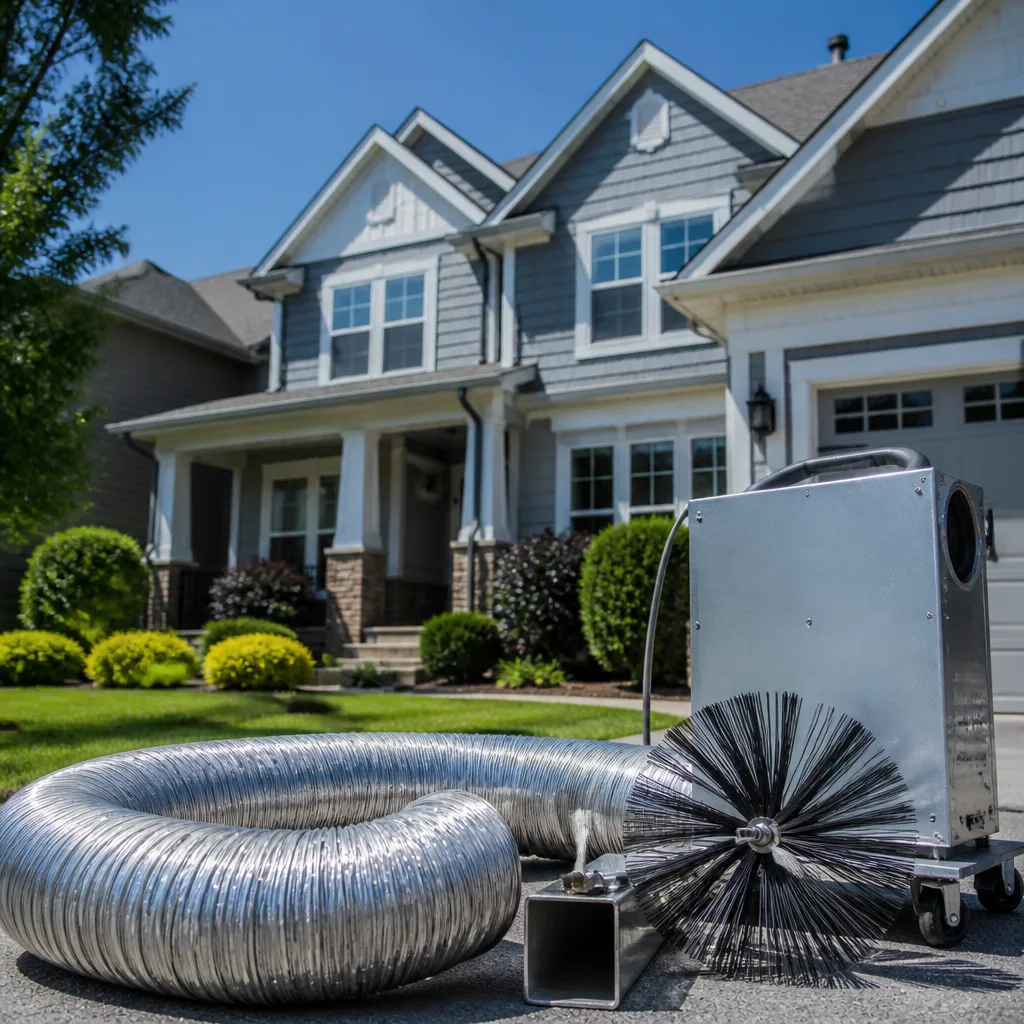 Whole-home duct cleaning
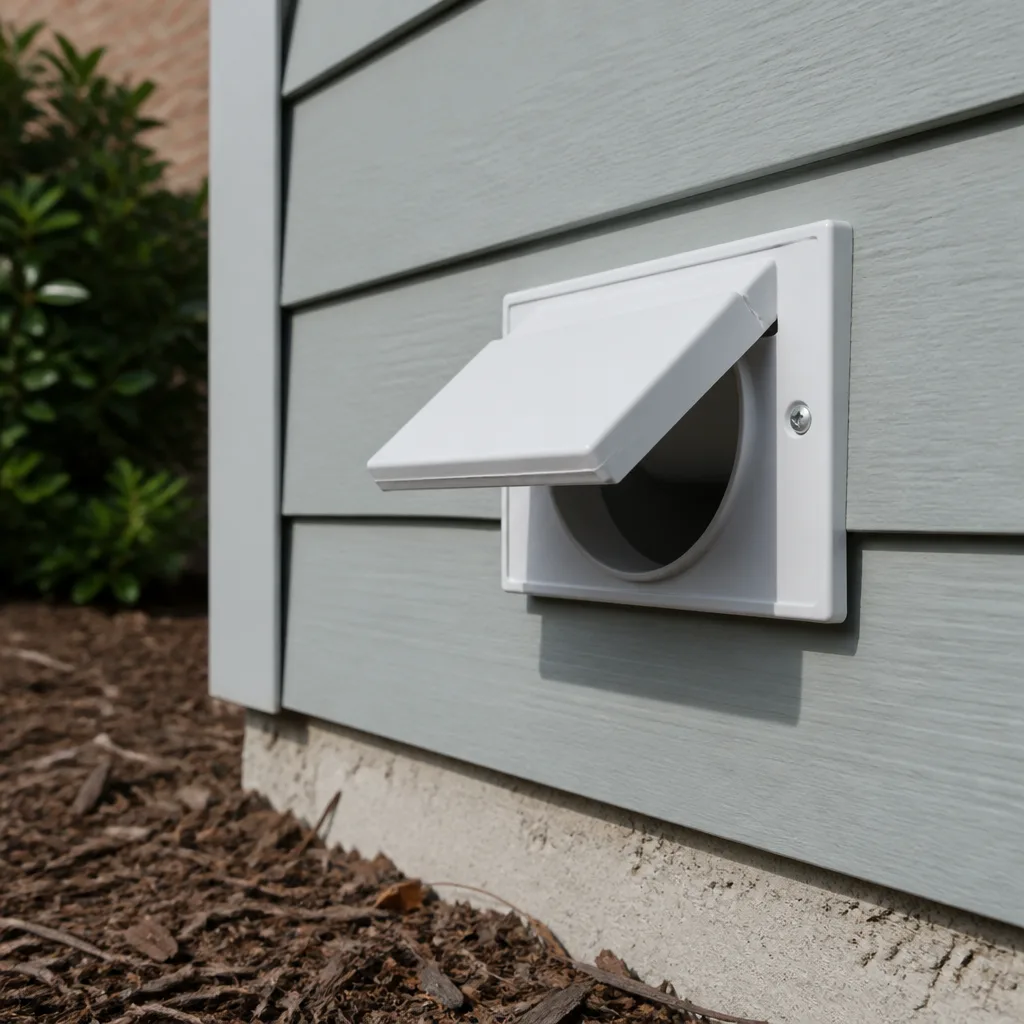 Dryer vent cleaning
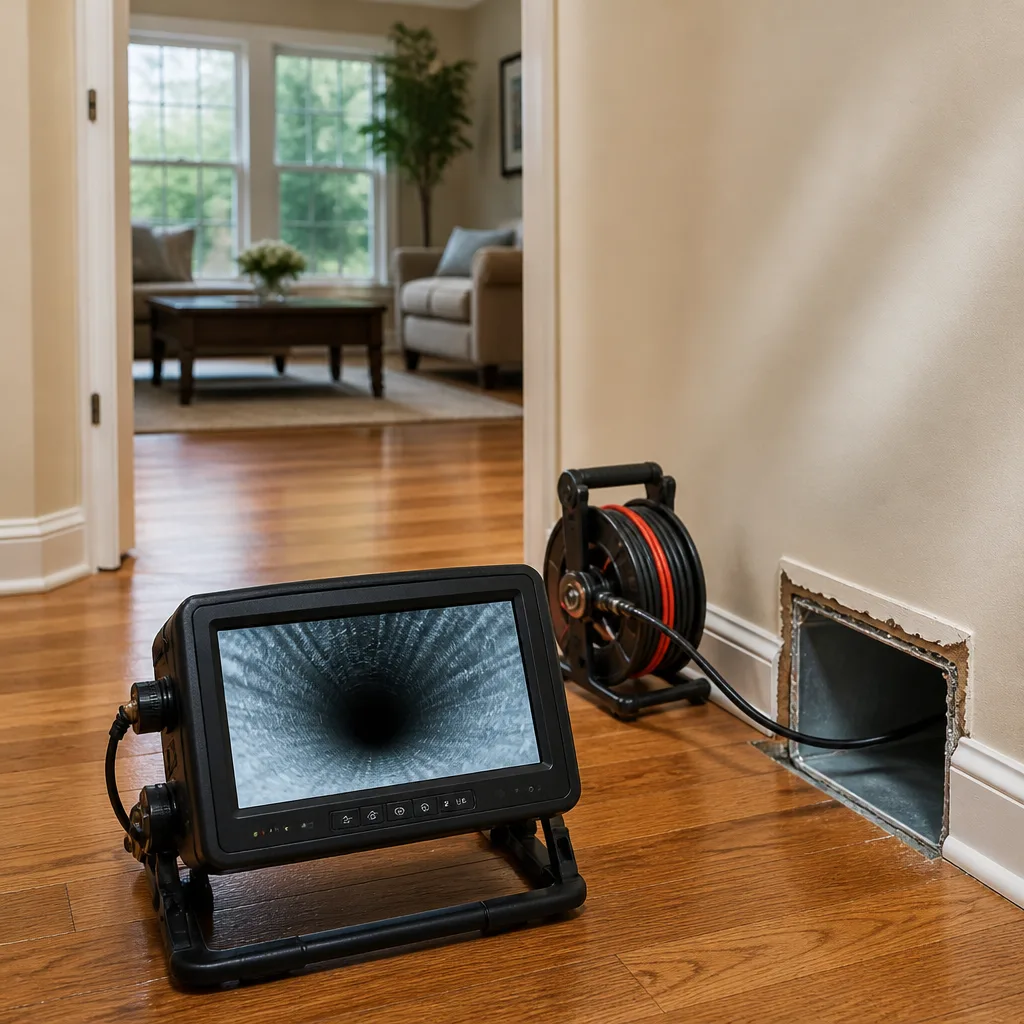 Camera inspection
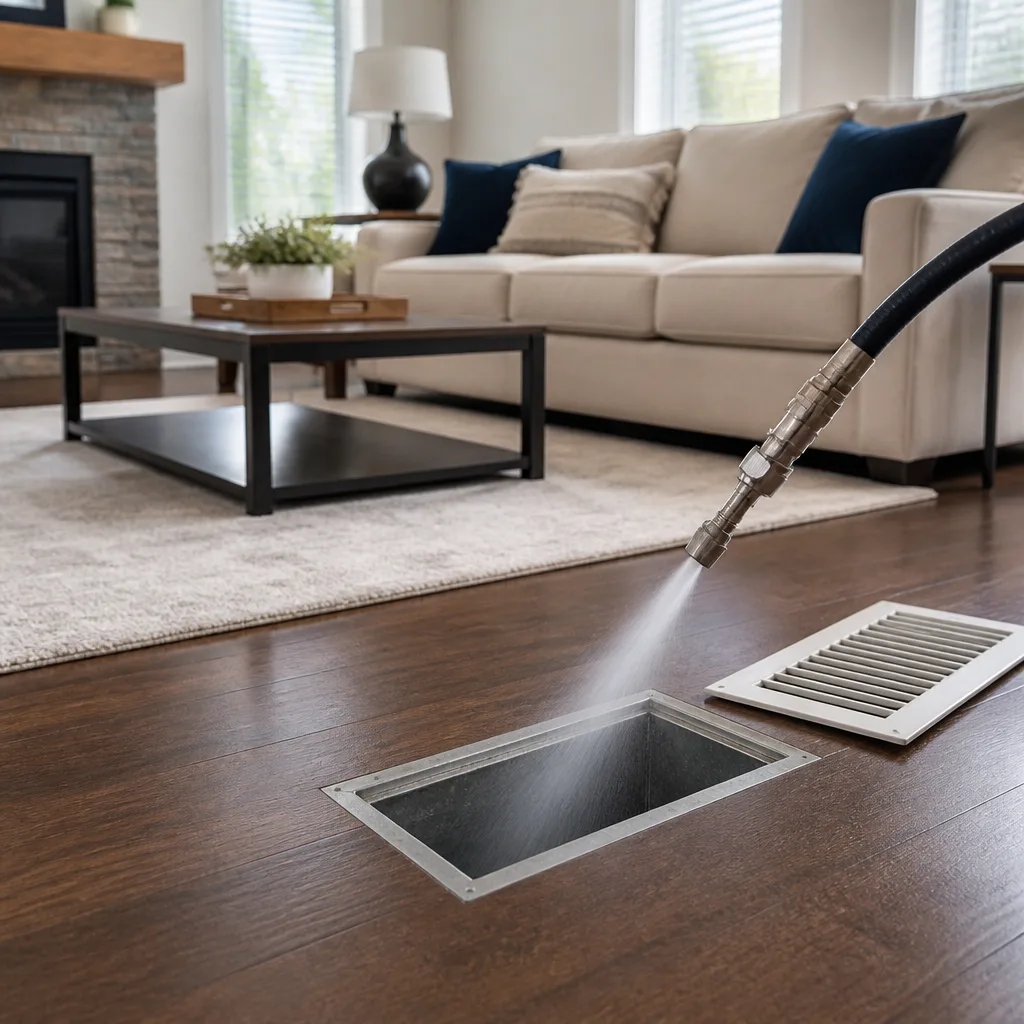 Sanitizing & deodorizing
Whole-system duct and dryer vent check with before-and-after photos - you see exactly what came out of your vents
That "$99 whole-house special" is a bait ad - the real number appears once they are in your hallway, or the "clean" is a shop-vac at the register. We photograph the inside of your ducts before and after instead.
DIY vs Professional Air Duct Cleaning: The Issaquah Homeowner’s Decision Guide
Most advice about duct cleaning splits into two useless camps: “never touch it yourself” or “a shop vac and a Saturday will do.” Both miss the point. The honest answer is that DIY duct maintenance is genuinely effective for some Issaquah homes and genuinely risky for others, and the difference comes down to three things you can check yourself: what your ducts are made of, what’s actually inside them, and whether you’re maintaining a clean system or trying to fix a contaminated one. This guide walks you through that decision with the same criteria we use when we assess a system, including a flashlight inspection you can run at every register in about fifteen minutes. By the end, you’ll know which side of the line your home sits on.
Quick Answer
DIY air duct cleaning is a reasonable choice for a home with clean, rigid sheet metal ducts that just needs light register and filter maintenance. Professional cleaning is the right call whenever your ducts are flex duct, when there’s visible mold, rodent debris, or post-construction dust inside the system, or when anyone in the house has respiratory sensitivity. The dividing line isn’t effort or budget. It’s contamination type and duct material, and a quick register inspection tells you which category you’re in.
Styles & brands we work with
- Whole-home duct cleaning
- Dryer vent cleaning
- Camera inspection
- Sanitizing & deodorizing
Table of Contents
- The three factors that actually decide it
- The register flashlight test: assess your own system first
- What DIY cleaning does well (and what it can’t reach)
- The four contamination categories and which ones require containment
- Why flex duct changes the equation in Issaquah homes
- The real cost comparison: DIY vs professional
- Common mistakes to avoid
- When to call a professional
- Frequently asked questions
What Actually Decides It: Duct Material, Contamination Type, and Your Goal
Three variables matter more than anything else in this decision, and none of them require special tools to evaluate.
Duct material. Rigid sheet metal is forgiving. It tolerates contact brushing, it doesn’t tear, and a homeowner with a long-handled brush can make real progress on the visible sections near each register. Flexible duct is a different material entirely. Its inner liner is a thin plastic membrane over a wire helix, and aggressive brushing or a consumer vacuum head can tear that liner or dislodge the helix. A torn flex liner becomes a collection point for dust and moisture, which turns a maintenance job into a repair job.
Contamination type. Ordinary household dust settling on duct walls is a maintenance issue. Mold growth, rodent droppings and nesting material, and fine post-construction drywall dust are contamination issues, and they behave differently under a vacuum. We cover this in detail further down.
Your goal. There’s a real difference between maintaining a system that’s already in decent shape and trying to remediate a problem. Maintenance tolerates DIY. Remediation usually doesn’t, because the tools and the containment are doing most of the work.
If you can answer those three questions about your own Issaquah home, you’re most of the way to a decision. The flashlight test in the next section gets you the answers.
The Register Flashlight Test: Assess Your Own System Before You Decide
You can evaluate your ducts in about fifteen minutes with a flashlight and a screwdriver. This isn’t a cleaning procedure. It’s an inspection, and what you find determines whether DIY makes sense.
- Turn the system off at the thermostat before you remove anything. You don’t want the blower running while a register is open.
- Remove two or three supply registers in different parts of the house, ideally one on each floor and one at the end of the longest run. Most are held by two screws. Set the grilles aside somewhere clean.
- Shine the flashlight up the boot (the angled fitting that connects the register to the main duct) and as far down the run as you can see. You’re looking at the duct wall, not just the opening.
- Note what you see. A thin, even gray film of dust is normal and expected. Loose drifts of dust, fuzzy dark patches, small pellets that look like seeds, or a fine white powder are each a different finding.
- Wipe one spot with a white paper towel. Gray dust wipes off cleanly. Dark smears that stain the towel, or anything that feels damp, is a different category of problem.
- Sniff near the opening. A musty, earthy smell points toward moisture and microbial growth somewhere in the system. A sharp ammonia-like smell near a register can indicate rodent activity.
- Check the return grille and the air handler cabinet if you can access it safely. Heavy dust on the evaporator coil face is a sign the whole system needs attention, not just the ducts.
Write down what you saw at each register. If every register shows a light gray film and nothing else, you’re a maintenance case and DIY is on the table. If you found dark patches, pellets, powder, or dampness at any register, stop and read the contamination section below before you touch anything else.
What DIY Cleaning Does Well, and What It Physically Can’t Reach
We’ll say this plainly because it’s true: a motivated homeowner can do real, useful work on a clean sheet metal system. Changing filters on schedule, vacuuming register grilles, wiping the boot opening, and keeping the return side clear all reduce what accumulates in the ducts over time. Those are maintenance tasks, and they’re worth doing whether or not you ever hire anyone.
What consumer equipment can’t do is reach the parts of the system that matter most. Here’s the honest limitation list:
- The main trunk line. The large duct running through the attic, crawlspace, or basement is where the majority of debris sits. A shop vac hose is too short and too weak to pull material along a long horizontal run.
- Behind the first bend. Debris accumulates on the inside of every turn. A homeowner working from the register can see the first bend but can’t brush the far side of it effectively.
- The plenum and air handler. The box where the ductwork meets the furnace or air handler collects dust directly off the coil and blower. This is the dustiest part of most systems and it’s usually inaccessible without opening panels that should be opened by someone trained to do it safely.
- Aggitation versus suction. This is the big one. Dust bonds to duct walls with a thin film of moisture and static. Suction alone pulls the loose layer and leaves the bonded layer. Professional cleaning uses contact agitation, meaning a rotating brush head physically breaks the bond before the vacuum pulls material away. That’s the entire principle behind the Rotobrush system we run, and it’s why suction-only cleaning looks impressive in a video and leaves the duct wall essentially unchanged.
For a full picture of what a proper clean involves, see our air duct cleaning service page. For now, the takeaway is that DIY reaches the register opening. Professionals reach the whole run.
The Four Contamination Categories and Which Ones Require Professional Containment
Not all duct debris behaves the same way when disturbed. This is the single most important concept in this guide, so it’s worth being precise.
- Category 1: Ordinary dust. Settled household dust, pet hair, lint. Disturbing it sends fine particles into the air, but nothing becomes worse than it already was. DIY-safe in rigid metal ducts.
- Category 2: Mold and microbial growth. Usually visible as dark fuzzy patches or detected by smell. Disturbing it without containment aerosolizes spores through the entire house every time the blower runs. This requires negative-air containment so the work area is held under pressure and spores are captured at the source rather than pushed into living space. Not DIY-safe.
- Category 3: Rodent debris. Droppings, nesting material, and the associated dust. This material carries real health concerns and should never be vacuumed with consumer equipment, which exhausts unfiltered air back into the room. Professional work here uses HEPA filtration and containment. Not DIY-safe.
- Category 4: Post-construction dust. The fine drywall and silica powder left after a remodel or new build. It’s extremely fine, it coats every surface in the system, and it clogs filters fast. It also tends to be present in larger volume than homeowners expect. Professional cleaning, and often a follow-up filter change, is the practical answer.
Categories 2 and 3 are where we see homeowners create the most difficult problems for themselves. Disturbing mold or rodent debris with a shop vac doesn’t remove the problem. It spreads it. On the professional side, Industrial HEPA vacuum equipment (we run Nikro units) captures particles at a much finer level than any consumer vacuum, and Abatement Technologies negative-air machines hold the work zone under containment so the rest of the house stays clean while we’re working. That’s the difference between cleaning a duct and cleaning a house that has a duct problem.
Why Flex Duct Changes the Equation in Issaquah Homes
A large share of the homes we assess in Issaquah have flexible duct runs, especially where additions, finished basements, or retrofitted systems are involved. Flex duct is common in this region for good reason: it’s fast to install and it routes easily through the tight framing and sloped lots you find in neighborhoods around the Issaquah Highlands and the older parts of town near downtown. But that same material is far less forgiving of DIY cleaning than sheet metal.
The inner liner is thin. A stiff brush, an aggressive vacuum head, or a hose pushed hard around a bend can tear it, and once it tears, the wire helix becomes exposed and the duct starts trapping dust and moisture at the damaged spot. That’s a problem because it’s out of sight and it doesn’t announce itself. It shows up later as reduced airflow to one room or a musty smell you can’t track down.
Issaquah’s climate raises the stakes. We get a long damp season and a lot of days where the outdoor air is humid, and any moisture that finds its way into a flex duct has more time to sit before the heating season dries things out. That’s why our approach uses contact-cleaning tools matched to the duct material rather than a single brush for everything. On top of that, flex duct installation quality varies. In our experience, poorly sealed flex duct connected at an angle or with a loose collar is one of the most common airflow problems we find, and it’s often the real cause of uneven temperatures in a house the owner assumed just needed cleaning. If you’re troubleshooting that specific symptom, our HVAC cleaning page covers how the air handler and coil fit into the picture.
The Real Cost Comparison: DIY Equipment and Consumables vs Professional Service
Price is where the DIY argument usually falls apart, and not for the reason people expect. Rented equipment isn’t free once you account for consumables, time, and the likelihood of a redo. Here’s how the two sides actually compare on a typical single-family home in Issaquah.
| Cost element | DIY approach | Professional approach |
|---|---|---|
| Equipment | Rental of a duct-cleaning machine plus brushes and hose adapters | Included in the quoted job price |
| Consumables | Filters, bags, plastic sheeting, tape, and cleaning cloths | Included |
| Time | A full day for one person, plus setup and cleanup | Scheduled appointment with a fixed scope |
| Reach | Registers, boots, and short runs only | Full system including trunk lines, plenum, and air handler |
| Containment | None, or plastic sheeting at best | Negative-air HEPA containment for mold or rodent work |
| Verification | What you can see at each register | Before-and-after photos of your own ducts |
| Redo risk | High on flex duct or any contaminated system | Set by a written estimate before work starts |
Add it up honestly. Rental plus consumables plus a lost day usually lands in the same territory as a professional quote, and the DIY version still hasn’t reached the main trunk line. The redo risk is what tips it. If you clean flex duct and tear a liner, or disturb mold without containment, the professional job you eventually need costs more than it would have. We give one flat price per system, agreed before any work starts, and we take before-and-after photos so you can see exactly what was done. That’s the opposite of the coupon-price-then-surprise-invoice experience that gives this trade a bad name. Call (877) 792-6439 for a free estimate and a straight answer on which side of the line your system falls.
If you do decide to handle maintenance yourself between professional visits, keep one thing on a schedule: your filter changes. A clogged filter strains the blower and pushes dusty air past seals. Your dryer vent cleaning is a separate but related safety item, and it’s genuinely not a DIY job once the vent run is long or routed through a wall cavity.
See the difference
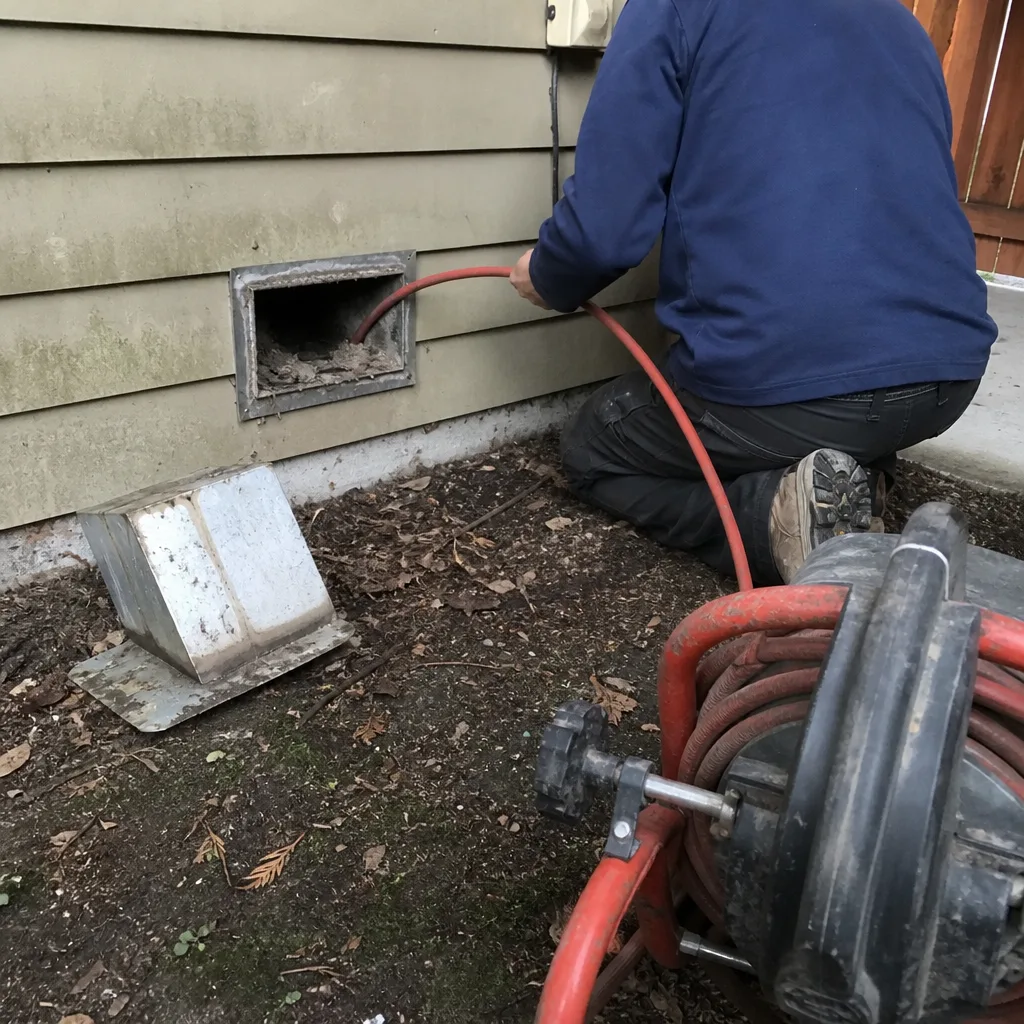 Before
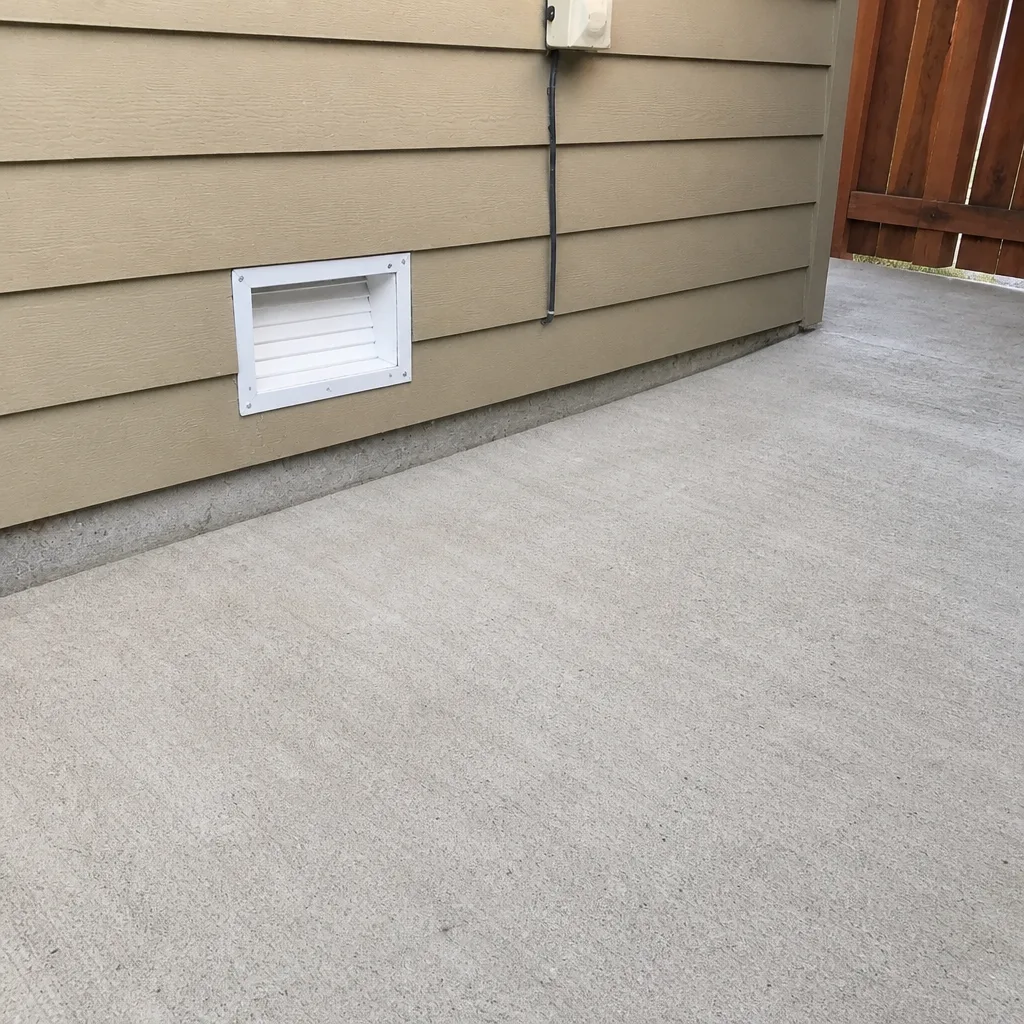 After
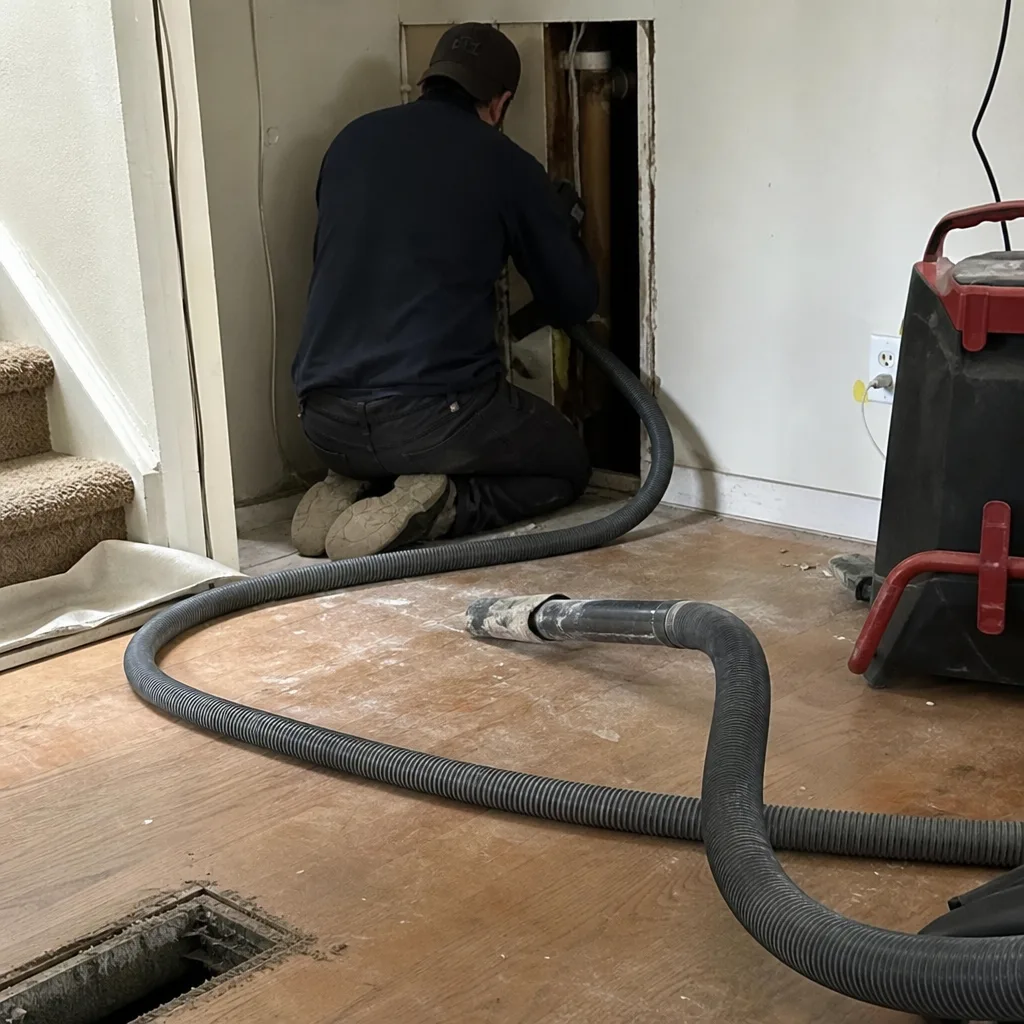 Before
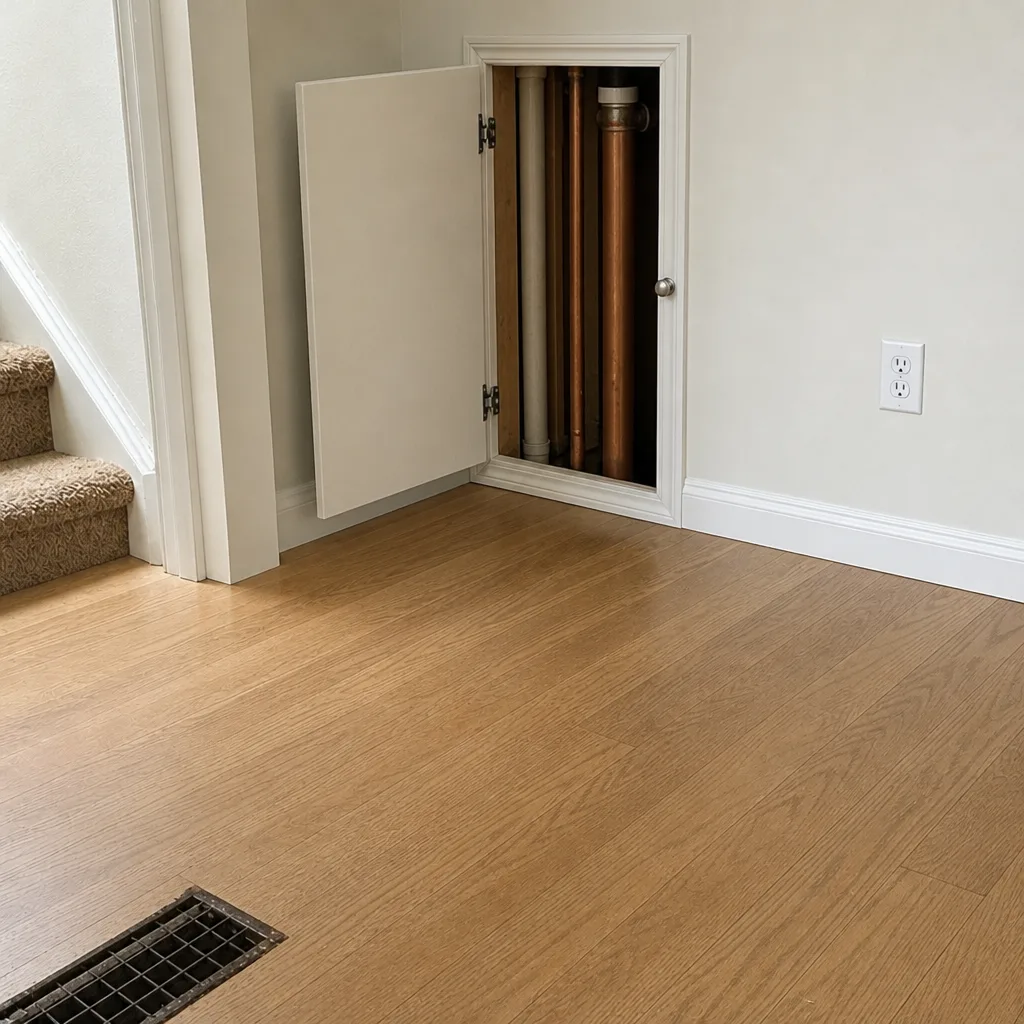 After
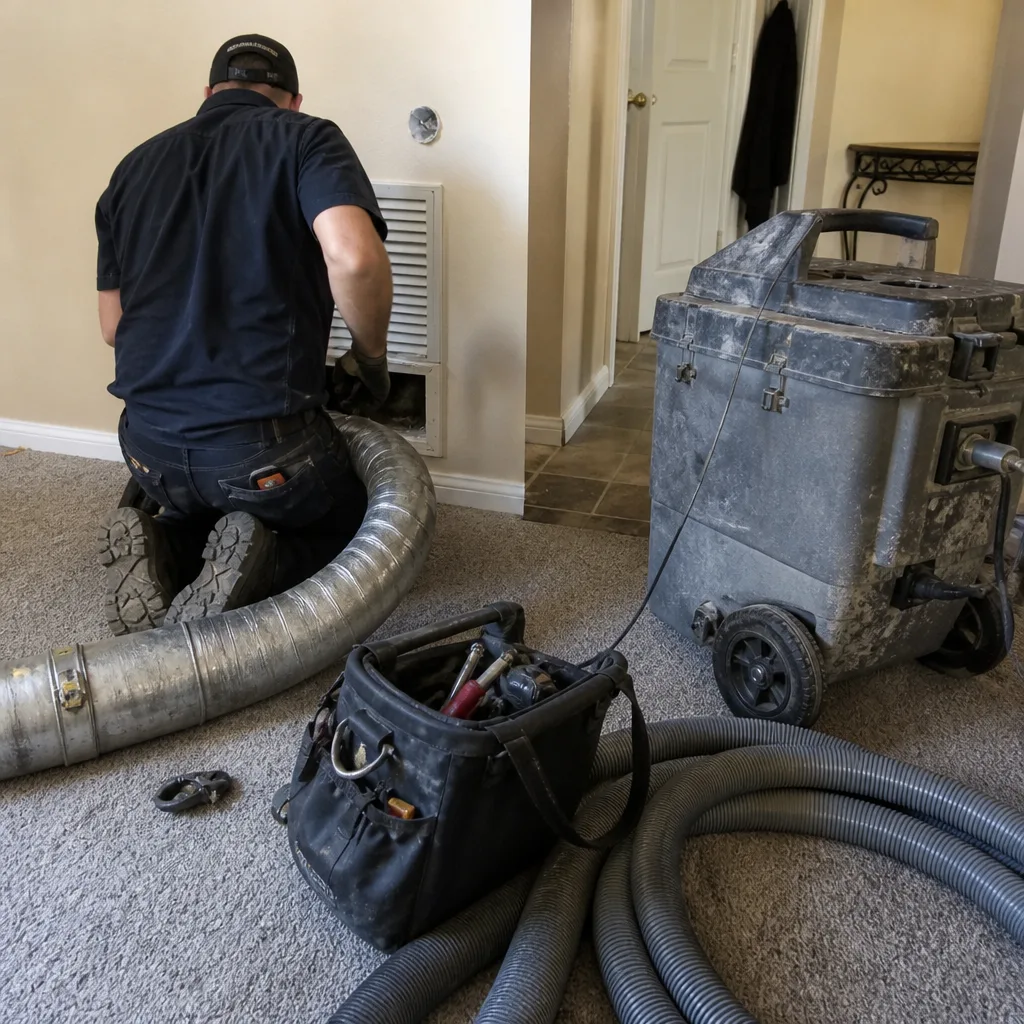 Before
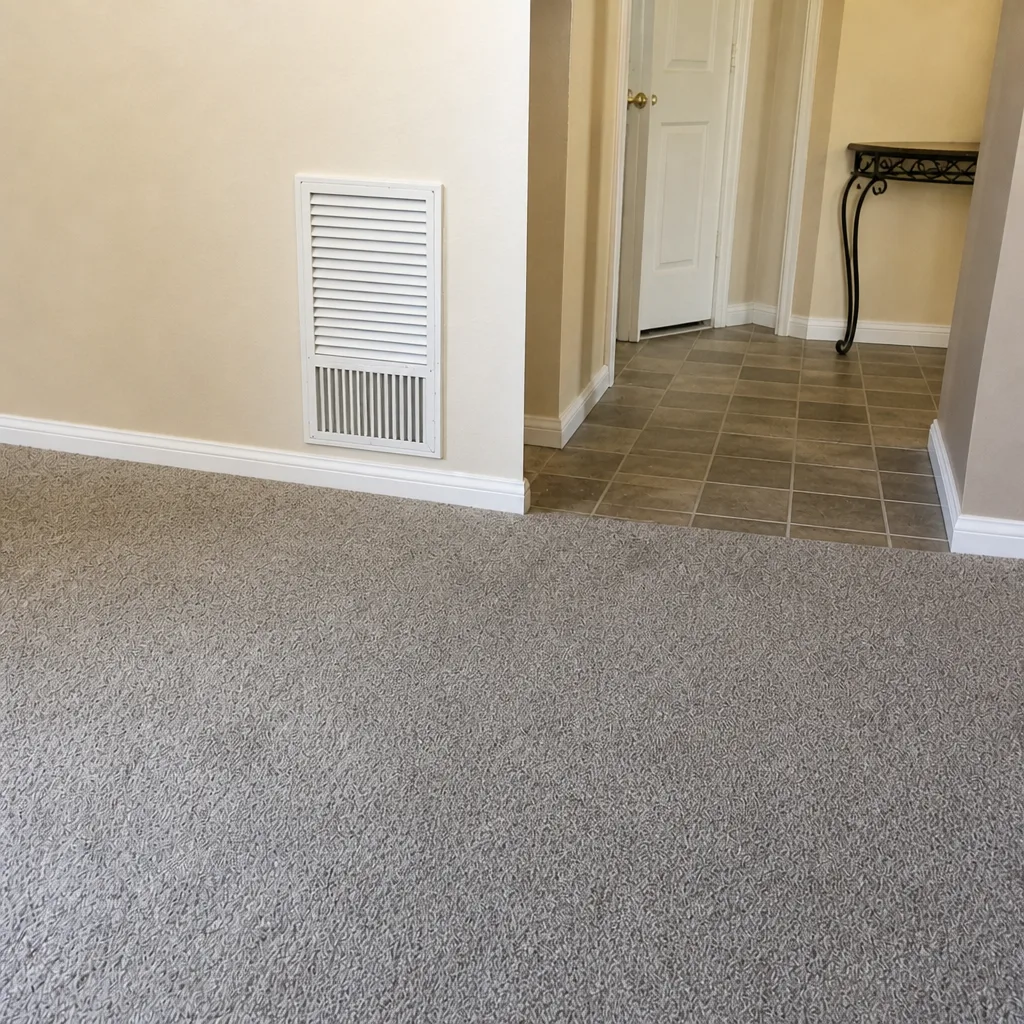 After
How to Know When Your Ducts Need Attention at All
Duct cleaning gets oversold, so it’s fair to ask whether you need it. The honest answer is that most homes don’t need it on a fixed schedule. They need it when there’s a reason. Here are the signs worth acting on in an Issaquah home:
- Visible dust blowing out of supply registers right after the system starts, especially if you recently changed the filter and it didn’t help.
- A musty or earthy smell that appears when the heat or the AC kicks on and fades when the system is off.
- Dust settling faster than usual on horizontal surfaces in one room, which often points to a single leaky or poorly sealed run.
- Recent renovation work in the house. Drywall dust finds its way into every gap.
- Any confirmed rodent activity in the attic or crawlspace where ducts run.
- Uneven heating or cooling room to room, which points to duct sealing rather than duct cleaning, though the two often go together.
If none of those apply, you probably don’t have a duct problem. Keep changing filters, keep registers clear, and revisit the question in a few years. Nobody needs to be sold a cleaning they don’t need, and we’d rather tell you that than book a job.
Common Mistakes to Avoid
- Vacuuming mold or rodent debris without containment. A consumer vacuum exhausts most of what it pulls in. Disturbing contaminated debris this way spreads spores and particles through the living space instead of removing them.
- Brushing flex duct like it’s sheet metal. The inner liner tears easily. A stiff brush or an aggressive vacuum head can total a duct run that was working fine before you started.
- Assuming register vacuuming equals duct cleaning. Cleaning what you can see from the grille creates a false sense of completion. The trunk line and the plenum are where the accumulation is, and they’re untouched.
- Skipping the filter change after a DIY attempt. Any loose debris you do dislodge ends up in the filter. If you don’t replace it afterward, the blower is pushing against a clogged filter within days.
- Cleaning the ducts but ignoring a leaky return. A gap in the return duct in an attic or crawlspace pulls in unfiltered outdoor and attic air. Cleaning without sealing just means the system re-dirties itself, which is a common problem in homes with ducts running through unconditioned crawlspaces.
- Relying on a coupon price without a written scope. The low teaser price is one of the oldest problems in this trade. If a quote doesn’t name the number of systems, the trunk line, and the air handler, it’s not a real quote.
- Assuming a dusty house means dirty ducts. It can also mean a clogged filter, a leaky duct, or a coil that needs cleaning. Diagnosing the cause before paying for a cleaning saves real money.
When to Call a Professional
Call when any of the following is true: you found mold or suspect it from the smell; there’s rodent debris anywhere in the system; you’ve just finished a remodel and the ducts ran during construction; your ducts are flexible and you’re not sure of their condition; anyone in the house has asthma or allergies that seem worse indoors; or you simply want the whole system cleaned, sealed, and photographed once rather than assembling tools and guessing. Those are all situations where a professional assessment saves money and risk. Issaquah Air Duct Cleaning Pros offers free estimates in Issaquah. Call (877) 792-6439. We answer 24/7, and fast dispatch runs from 7am to 7pm, Sunday through Friday. Our technicians have up to 8 years of experience, and the local pro is licensed and insured as the state requires.
Frequently Asked Questions
Most single-system residential jobs in the Issaquah area fall in a range based on the number of systems, the length of the runs, and whether repair or sealing is included. We quote one flat price per system in a written estimate before any work starts, and we give you that estimate for free. Call (877) 792-6439 for an exact quote. Estimates are free, and we’ll tell you if you don’t actually need the work.
Cheap quotes usually cover less than they appear to. They often mean a suction-only pass at the registers, without contact agitation of the duct walls, without the trunk line, and without the air handler or plenum. Some add charges once the technician is on site. Ask any company to put the scope in writing: number of systems, trunk line, plenum, air handler, and whether containment is included. If a quote can’t answer those, it isn’t comparable. Call (877) 792-6439 for an estimate with the full scope spelled out.
Ask for before-and-after photos of your own ducts, taken during the job at the trunk line and the boots, not stock photos. That’s the standard we hold ourselves to. A company confident in its process should have no trouble providing them. Call (877) 792-6439 and we’ll walk you through what the photos will show before we start.
Most homes don’t need it on a fixed schedule. A reasonable rule is to clean when there’s a reason: after a remodel, after rodent activity, after visible mold, or when airflow and dust patterns change noticeably. Homes with pets, allergies, or heavy dust loads tend to need it more often. If you’re unsure, the register flashlight test in this guide will tell you whether you’re a maintenance case or a remediation case. Call (877) 792-6439 and we’ll help you read what you found.
Yes, and it’s a legitimate maintenance step on rigid metal duct. Vacuuming the grilles, wiping the boot openings, and changing the filter regularly all reduce what accumulates. What it won’t do is reach the trunk line or the air handler, which is where most of the debris sits. Treat register cleaning as upkeep, not as a full clean.
Yes, in a specific way. The long damp season means any moisture that gets into a duct has more time to sit before dry weather, and moisture plus dust is what mold needs. That makes it worth paying attention to musty smells, condensation near registers, and any duct run through a crawlspace or attic. If you notice dampness or smell, get it assessed rather than cleaning over it. Call (877) 792-6439 for a free estimate.
The Bottom Line
DIY duct cleaning isn’t wrong. It’s wrong for specific situations. If your ducts are rigid metal, the accumulation is ordinary dust, and your goal is maintenance, a shop vac and a filter schedule are genuinely useful. If your ducts are flex, if there’s mold or rodent debris, or if you’ve just finished a remodel, the right tools matter more than the effort, and the wrong ones can make things worse. The register flashlight test tells you which case you’re in, and the honest cost comparison usually favors professional work once redo risk is counted. When you want the whole system cleaned, sealed, and photographed in one visit, we’re the people to call.
Call (877) 792-6439 for a free estimate. We answer 24/7, and fast dispatch runs from 7am to 7pm, Sunday through Friday. We run professional gear including Rotobrush contact-cleaning systems, Nikro industrial HEPA vacuums, and Abatement Technologies negative-air equipment for containment-grade work, and we carry Honeywell and Aprilaire lines for post-cleaning filtration upgrades. To see how the full-system scope fits together, start at Issaquah Air Duct Cleaning Pros.
Written by the team at Issaquah Air Duct Cleaning Pros.