
Last updated November 25, 2026
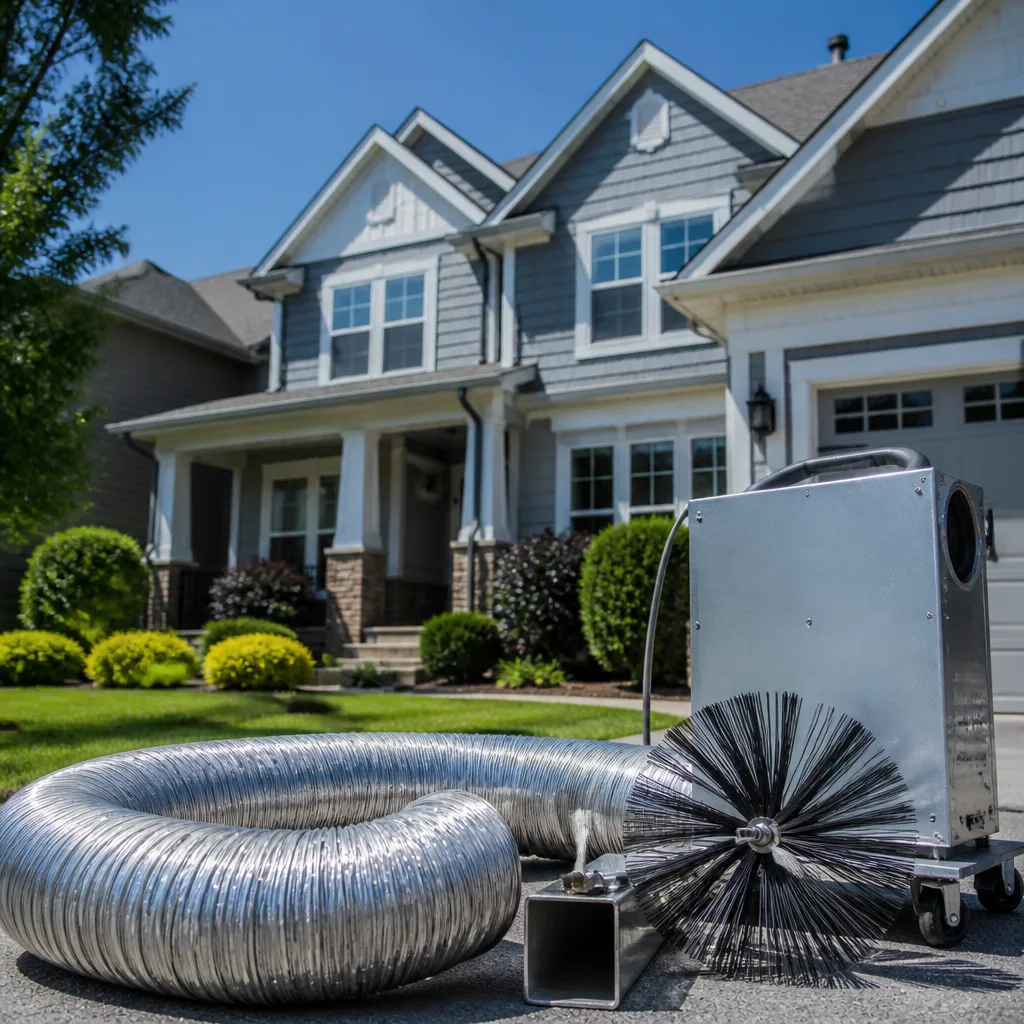 Whole-home duct cleaning
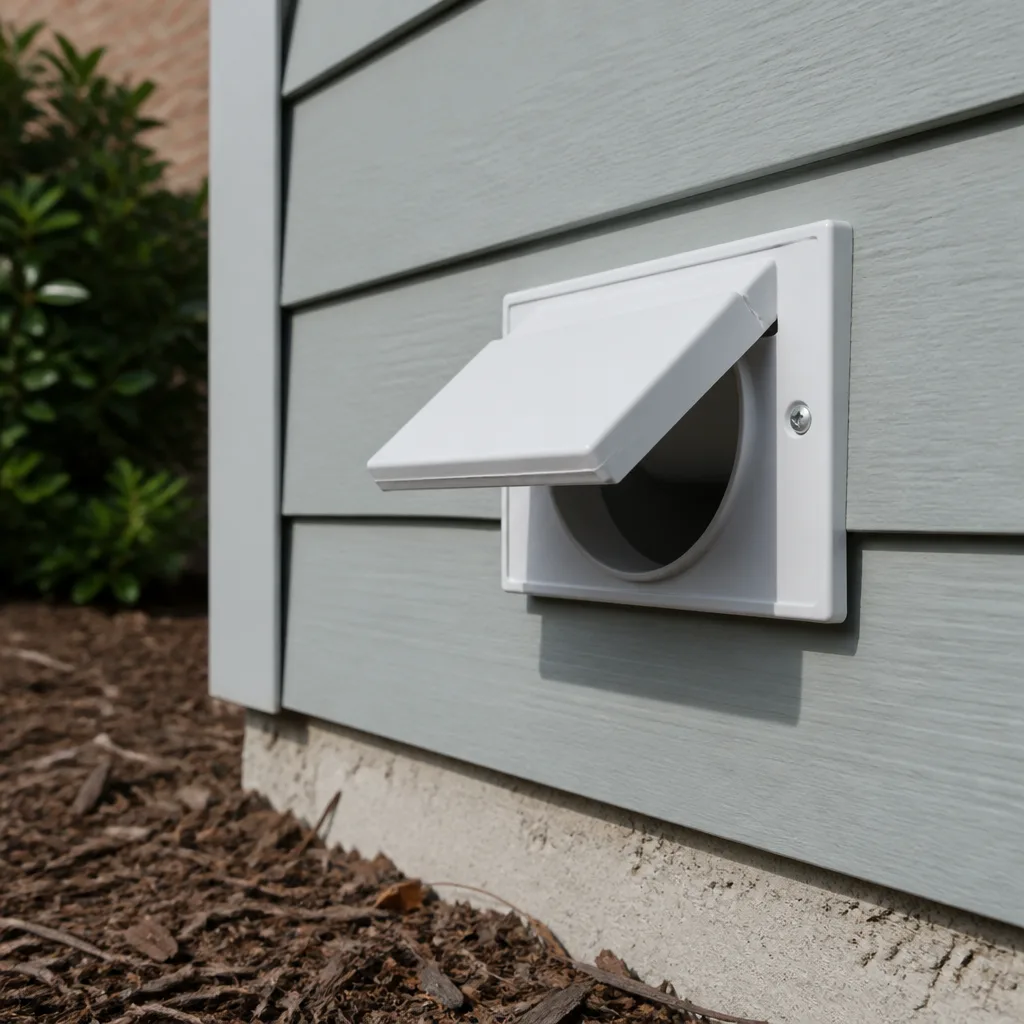 Dryer vent cleaning
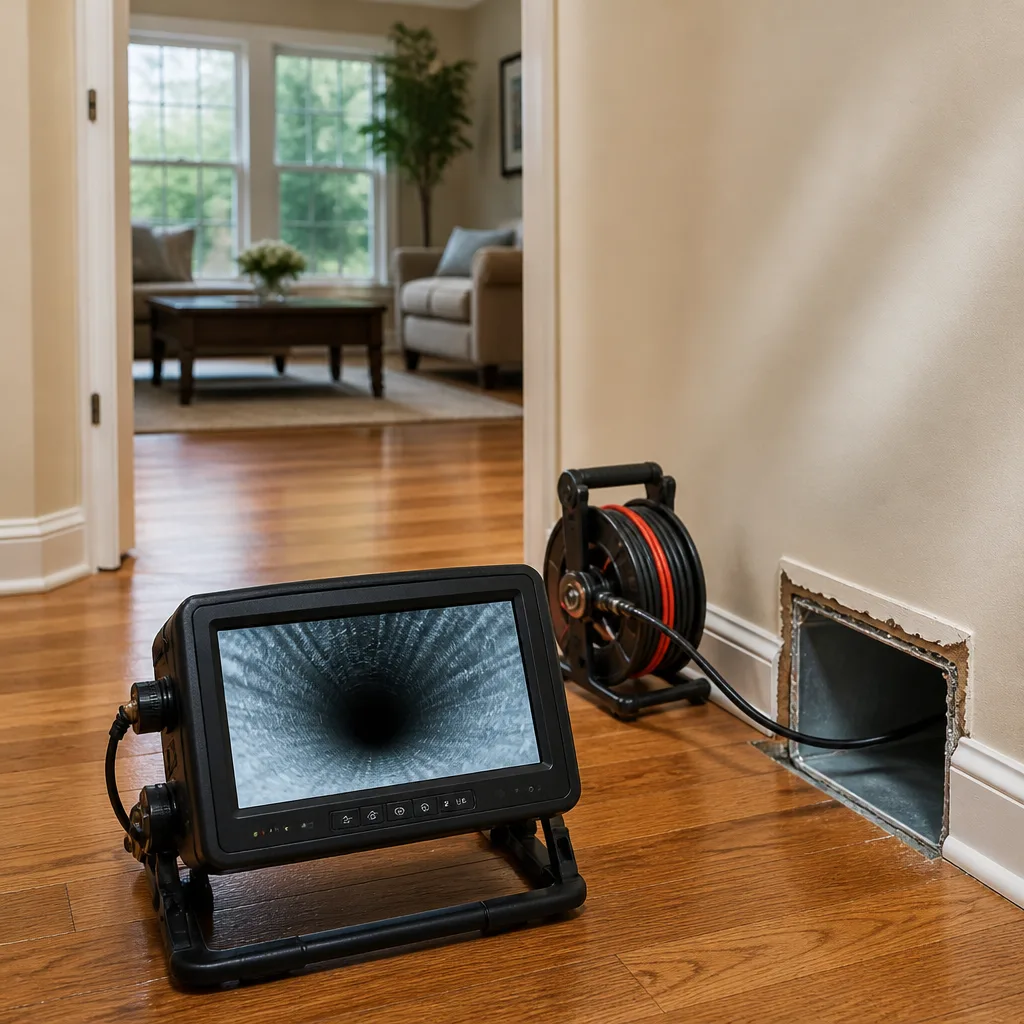 Camera inspection
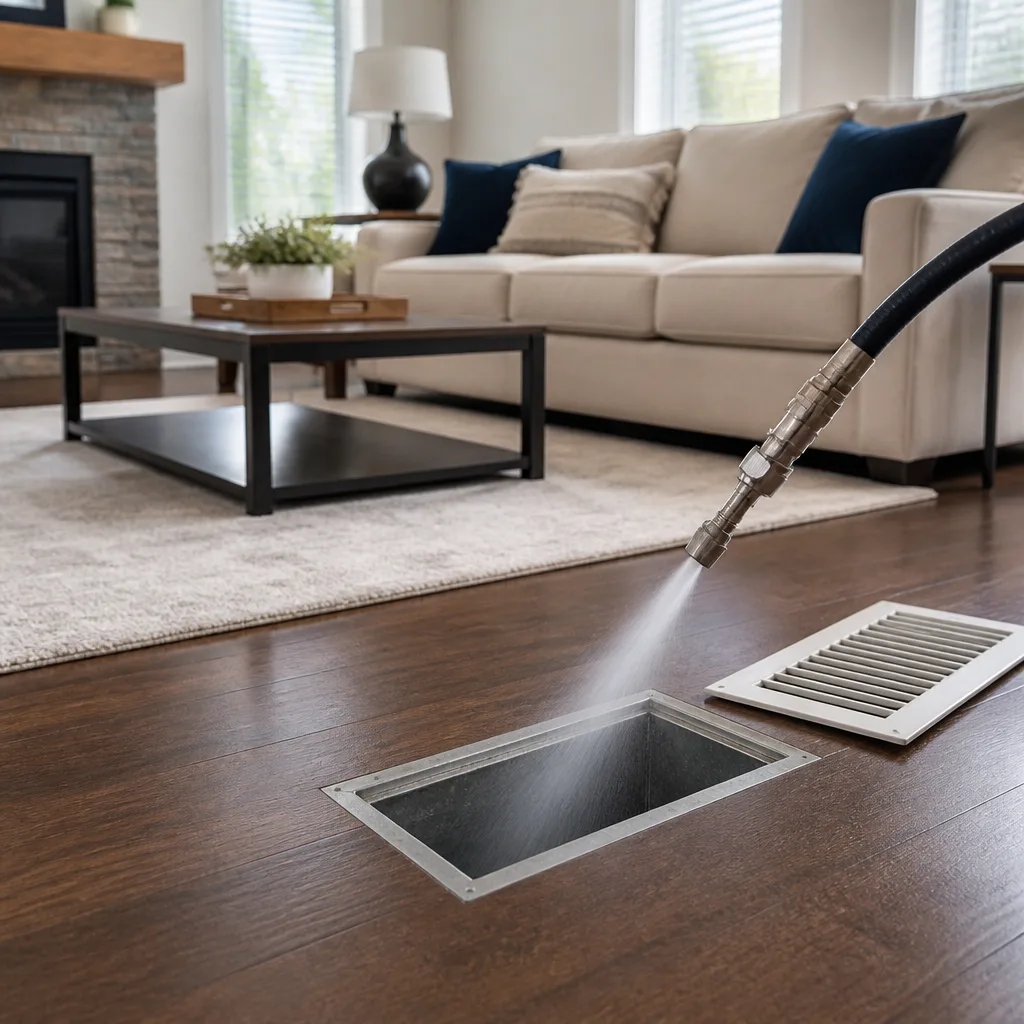 Sanitizing & deodorizing
Whole-system duct and dryer vent check with before-and-after photos - you see exactly what came out of your vents
That "$99 whole-house special" is a bait ad - the real number appears once they are in your hallway, or the "clean" is a shop-vac at the register. We photograph the inside of your ducts before and after instead.
The Complete Guide to Air Duct Cleaning in Issaquah
Most people treat air duct cleaning as a one-time checkbox: pay for a visit, get a receipt, forget about it for a decade. That assumption is the problem. In Issaquah, the duct system isn’t a static component that gets dirty at a predictable rate. It’s a living variable shaped by where this city sits, what blows through it each season, and how the houses around it were built. Issaquah lies in a valley ringed by hills that hold wildfire smoke and moisture in place, and that geography changes what collects inside your ductwork and how fast. This guide explains what a real full-system cleaning involves, how to read the standards behind it, and why ongoing stewardship beats a one-time transaction.
Quick Answer
Air duct cleaning in Issaquah means cleaning the entire system, not just the visible vents: supply runs, return runs, the air handler, and the evaporator coil, verified against NADCA’s ACR assessment and cleaning standard. It’s worth doing when you can see or smell accumulation, after a heavy wildfire smoke season, or when a home changes hands or occupants. In this valley climate, an inspection every year or two and a full cleaning when the report says it’s needed is more useful than a fixed calendar.
Styles & brands we work with
- Whole-home duct cleaning
- Dryer vent cleaning
- Camera inspection
- Sanitizing & deodorizing
Table of Contents
- Why Issaquah’s Geography Changes What Builds Up in Your Ducts
- What a Full-System Clean Actually Covers
- What the NADCA ACR Standard Requires, and How to Verify It
- Why Wildfire Smoke Season Is a Trigger for Inspection
- How to Read a Before-and-After Air Quality Report
- Repair and Sealing: The Half of the Job Most Services Skip
- How Often Ducts Really Need Cleaning in Issaquah
- Notes for Property Managers and Rental Owners
Why Issaquah’s Geography Changes What Builds Up in Your Ducts
Issaquah sits in a bowl. The hills around it – Squak Mountain to the south, Tiger Mountain to the east, Cougar Mountain to the west – are beautiful to live under, but they do something specific to the air. On still days the valley holds what drifts in. In late summer and fall, when wildfire smoke pushes into the region from the east, that smoke settles into the low ground and lingers longer than it does on open terrain. In winter, the same bowl holds moisture from the frequent rain, and that moisture has nowhere urgent to go. Ductwork sitting in a crawlspace or a garage ceiling above these damp, slow-to-clear conditions accumulates fine particulate and holds it in a way it wouldn’t in a drier, windier place.
The Cedar River corridor adds its own layer. Homes closer to the water and to the low, shaded pockets along it run a little more humid than homes up on the Issaquah Highlands plateau, where wind moves more freely. Two houses a few miles apart can need very different cleaning intervals for the same square footage. That’s why a fixed “every three years” rule makes little sense here. What matters is what’s actually in the system, and that depends on where in Issaquah you are, how tight the house is, and what the last few seasons threw at it.
Housing stock sharpens the picture. Older Issaquah homes often have rigid metal ductwork with joints that have loosened over many heating and cooling cycles, which lets fine dust and outdoor air leak in and out. Newer construction tends toward flex duct, which is easier to route through tight spaces but can sag and collect debris in low spots. Both types move air. Both types trap what the valley air carries. Neither cleans itself.
- Valley inversion: still air holds smoke and particulate in the low ground around downtown and the Issaquah Valley.
- Winter moisture: long wet stretches keep crawlspaces and garages damp, which is where a lot of ductwork runs.
- Plateau exposure: higher, breezier homes on the Issaquah Highlands dry out faster but still pull in smoke during fire season.
- Aging joints: older metal systems leak at seams, which trades indoor air for whatever is in the crawlspace.
If you want a straight read on what’s in your own system rather than a general discussion, our air duct cleaning page covers what the visit includes and how to set one up.
What a Full-System Clean Actually Covers
This is where most quotes diverge, and it’s worth understanding before you compare anything. A full-system clean touches every part of the duct system that air passes through. A surface vacuum touches the grilles you can see from the floor. Those are not the same job, and the price gap between budget quotes and proper ones usually comes down to exactly this difference.
Here’s what a genuine full-system clean involves, step by step:
- Assessment. Before anything is touched, the technician inspects the system and documents what’s there – the layout, the duct material, visible accumulation, any damage, and the condition of the air handler and coil.
- Containment and negative pressure. The work area is set under negative air pressure so loosened debris is captured and doesn’t drift back into living spaces. This is standard practice in remediation work, and it’s what Abatement Technologies equipment is designed for.
- Source cleaning with contact agitation. Every supply and return run is cleaned with a rotating brush system that makes contact with the duct walls, breaking loose what’s stuck. A plain vacuum pulled over a surface only gets what’s loose; contact cleaning gets what’s adhered.
- High-volume HEPA extraction. Industrial HEPA vacuums pull the dislodged material out of the system under controlled airflow. Consumer shop vacuums and small portable units can’t move enough air to clear a whole house.
- Air handler and coil cleaning. The blower, the housing, and the evaporator coil are cleaned. A dirty coil is a hidden efficiency drain and a common source of musty smell.
- Dryer vent clearing. Because the whole system gets looked at in one visit, the dryer vent gets cleared in the same pass. That’s a separate fire-safety concern, and it’s covered in more detail on our dryer vent cleaning page.
- Repair, sealing, and verification. Any damaged sections found during cleaning get repaired and sealed, then the system is re-checked and photographed before and after.
That’s what “clean ducts start to finish” means in practice. The HVAC cleaning side of the work is where a lot of homeowners learn that their system had a coil full of debris they never suspected. One visit covers cleaning, repair, sealing, and the air quality work that follows.
What the NADCA ACR Standard Requires, and How to Verify It
The NADCA ACR standard – Assessment, Cleaning, and Restoration – is the reference document for professional duct cleaning in the United States. It sets out what a contractor is supposed to do before, during, and after a cleaning, and it’s the standard to ask about when you’re comparing quotes. Knowing what it requires lets you ask better questions.
At a high level, the ACR standard requires three phases:
- Assessment first. The contractor evaluates the system and documents conditions before recommending work. A cleaner who quotes a price over the phone without looking at anything isn’t following the standard.
- Cleaning to a defined outcome. The system is cleaned using methods that put the duct surfaces under contact agitation and negative pressure, and the work is verified against the documented baseline.
- Restoration where needed. If the assessment or cleaning reveals damaged, disconnected, or unsealed ductwork, the standard calls for addressing it – not leaving it and moving on.
How do you verify a contractor follows it? Ask a few direct questions and listen for specific answers:
- Will you assess the system and show me what you find before work starts?
- What equipment do you use for contact cleaning and for extraction? (Rotobrush and Nikro are names worth hearing.)
- Will I get before-and-after photos of my own ducts?
- Do you repair and seal damaged ductwork, or just clean around it?
- What does the post-cleaning report include?
A contractor working to the standard will answer all of these without hesitation. One who’s vacuuming grilles for a coupon price usually can’t. Ask the same questions of any company you’re considering in Issaquah, and the gap in scope becomes obvious fast.
Why Wildfire Smoke Season Is a Trigger for Inspection
Wildfire smoke doesn’t need to reach unhealthy levels in Issaquah to leave a mark inside a duct system. Fine particulate settles on duct surfaces and on the coil, and the valley holds it longer than open terrain would. When the smoke clears, the visible haze goes away but the material it left behind stays in the system, cycling through the house every time the air handler runs.
That’s why an inspection makes sense even if a cleaning happened fairly recently. A duct system that was clean in the spring isn’t necessarily clean in the fall after a smoke-heavy summer. The right response isn’t to schedule a full cleaning automatically – it’s to have the system looked at and let the assessment decide. Sometimes the answer is a full clean. Sometimes it’s a coil cleaning and a filter upgrade. Sometimes it’s a sealing job on a duct run that’s been pulling in outdoor air from a crawlspace.
Post-smoke, three things are worth checking:
- The coil and air handler. Fine particulate builds up here first and reduces airflow.
- The return side. Returns pull from living spaces, which means they collect what’s in the air of the home during smoke events.
- The filter setup. A standard filter catches coarse debris but lets fine smoke particles pass. A better filter setup, matched to the system, handles more of it. Honeywell and Aprilaire filtration products are the kind of upgrade worth discussing after an inspection.
For homes that saw heavy smoke exposure, a sanitizing treatment after mechanical cleaning adds a documented layer of protection on the duct surfaces. Guardsman-backed treatments are what we use because they’re a named, traceable product rather than a generic spray with no documentation. It’s a supplement to cleaning, not a substitute for it.
How to Read a Before-and-After Air Quality Report
A cleaning report is only useful if you understand what it’s telling you. The point of a before-and-after report is to give you a baseline and a documented result you can compare, and to make the work verifiable rather than a promise. Any contractor who cleans a system should be able to produce one.
Here’s what to look for in a report, and what the numbers actually mean:
- Photos of your own system. Before-and-after photos of the return and supply runs, the air handler, and the coil. Not stock photos of someone else’s ducts.
- Particle counts before and after. A particle counter measures airborne particulate at a defined size range. What matters isn’t one number in isolation; it’s the drop between the two readings. A meaningful measurement is taken under the same conditions both times – same room, same system state – so the comparison is honest.
- Moisture readings in the crawlspace and duct path. In an Issaquah home, moisture matters as much as particulate. A damp crawlspace undermines a cleaning within months. If the readings are high, sealing and ventilation fixes matter as much as the cleaning itself.
- Documentation of repairs. If seams were sealed or a run was repaired, the report should say where and show it.
- A plain-language summary. You shouldn’t need a decoder to understand your own report. Ask for the interpretation in writing.
Be skeptical of any report that gives you a single “air quality score” with no method behind it. An honest report is specific: what was measured, how, and what changed. Numbers you can’t reproduce aren’t proof of anything.
Repair and Sealing: The Half of the Job Most Services Skip
Cleaning a system with leaky joints is like tidying a room with the window open. The work gets done, but the environment keeps refilling it. Duct repair and sealing are what keep a clean system clean, and they’re the part of the job that a vacuum-only service can’t provide. That’s the “we repair what we find” side of the work: whatever the assessment turns up – a disconnected flex run, a crushed section, a joint that’s been leaking into the crawlspace – is addressed in the same engagement rather than referred out.
What repair and sealing typically involves in an Issaquah home:
- Locating leaks and breaks. The assessment maps where air is escaping or outdoor air is entering. Older metal systems often leak at seams and joints; flex systems often fail at connections or where they’ve been crushed behind a wall.
- Sealing accessible joints and seams. Mastic and appropriate sealants close the gaps that let dust and moisture in.
- Repairing or replacing damaged runs. Crushed or disconnected sections are repaired or replaced so the system moves air the way it was designed to.
- Verifying airflow after the repairs. The system is re-checked so you have documented confirmation that it’s working better than it was.
This matters more in this valley than in a lot of places, because a leaky duct in a damp crawlspace doesn’t just lose efficiency – it pulls humid crawlspace air into the house. Sealing the system is one of the most effective things you can do for both air quality and moisture control in Issaquah homes. It also means one company is accountable for the whole job. No referral runaround between the cleaner and the repair contractor.
How Often Ducts Really Need Cleaning in Issaquah
There’s no universal interval, and anyone who quotes you one over the phone is guessing. The honest answer is that the interval depends on the home, the occupants, and the seasons it’s been through. A general inspection every year or two, with cleaning scheduled when the assessment shows it’s needed, is a far more useful approach than a fixed calendar.
Some factors that shorten the interval in Issaquah specifically:
- Recent wildfire smoke exposure. A heavy smoke season is a reason for an inspection, whatever the calendar says.
- Pets and occupants with allergies or respiratory sensitivity. Higher particulate load in the home means the system collects it faster.
- Recent renovation or construction nearby. Drywall dust and sawdust travel through a duct system efficiently.
- Damp crawlspaces or poor moisture control. A system that’s pulling humid air needs more attention, not less.
- Older homes with leaky ductwork. Until sealing is done, airborne debris keeps entering the system from outside.
- Longer cleaning gaps. A system that hasn’t been cleaned in many years often needs repair and sealing as well as cleaning.
The pattern in this city is a useful reminder that a duct system changes with its environment. Between the valley’s smoke-holding inversions, the Cedar River corridor’s moisture, and the mix of old metal and newer flex duct across the Issaquah Highlands, downtown, and the surrounding neighborhoods, the cleaning schedule is a moving target. Track how the house feels and smells through the seasons, keep an eye on the filter, and let an inspection tell you when the system needs more than that.
Notes for Property Managers and Rental Owners
Property managers in Issaquah have a slightly different problem than a homeowner: a duct system in a rental has to be assessed and documented on a schedule that fits the building, and it needs to hold up between tenant turnovers. Full-system cleaning, with repair and sealing where needed, is often a better fit for that job than a one-time vacuum, because it produces the documentation that supports the work and it addresses the underlying condition rather than just what’s visible. Our Issaquah Air Duct Cleaning Pros team works with both homeowners and property managers, and can walk a building’s systems unit by unit. A pre- and post-cleaning report with photos gives a manager something concrete to hand to a tenant or an owner.
Common Mistakes to Avoid
- Judging a quote by price alone. The cheapest quote is almost always a surface vacuum of the visible grilles, not a full-system clean. Ask what’s actually included and what equipment is used, and the low price stops looking like a deal.
- Cleaning without repairing. A system with leaky joints will refill with the same debris that just came out. Repair and sealing are part of the job, not an upsell after it.
- Skipping the coil and air handler. Clean ducts with a dirty coil still mean a musty smell and reduced airflow. The system includes the air handler, so clean the whole system.
- Not asking for before-and-after photos. In a home with a damp crawlspace and a system that pulls from it, work that can’t be shown right after it’s done usually wasn’t done.
- Ignoring the dryer vent. A dryer vent cleaning left out of the visit is a fire-safety issue and an efficiency loss, and in Issaquah homes it’s often where the most lint has collected.
- Cleaning after smoke season instead of inspecting first. Post-smoke, the right step is an assessment to see what actually needs attention, because on some systems a coil cleaning and filter upgrade is sufficient.
- Never scheduling again. The valley’s smoke and moisture don’t stop after one cleaning, so a system that gets inspected every year or two stays cleaner than one on a decade-long gap.
See the difference
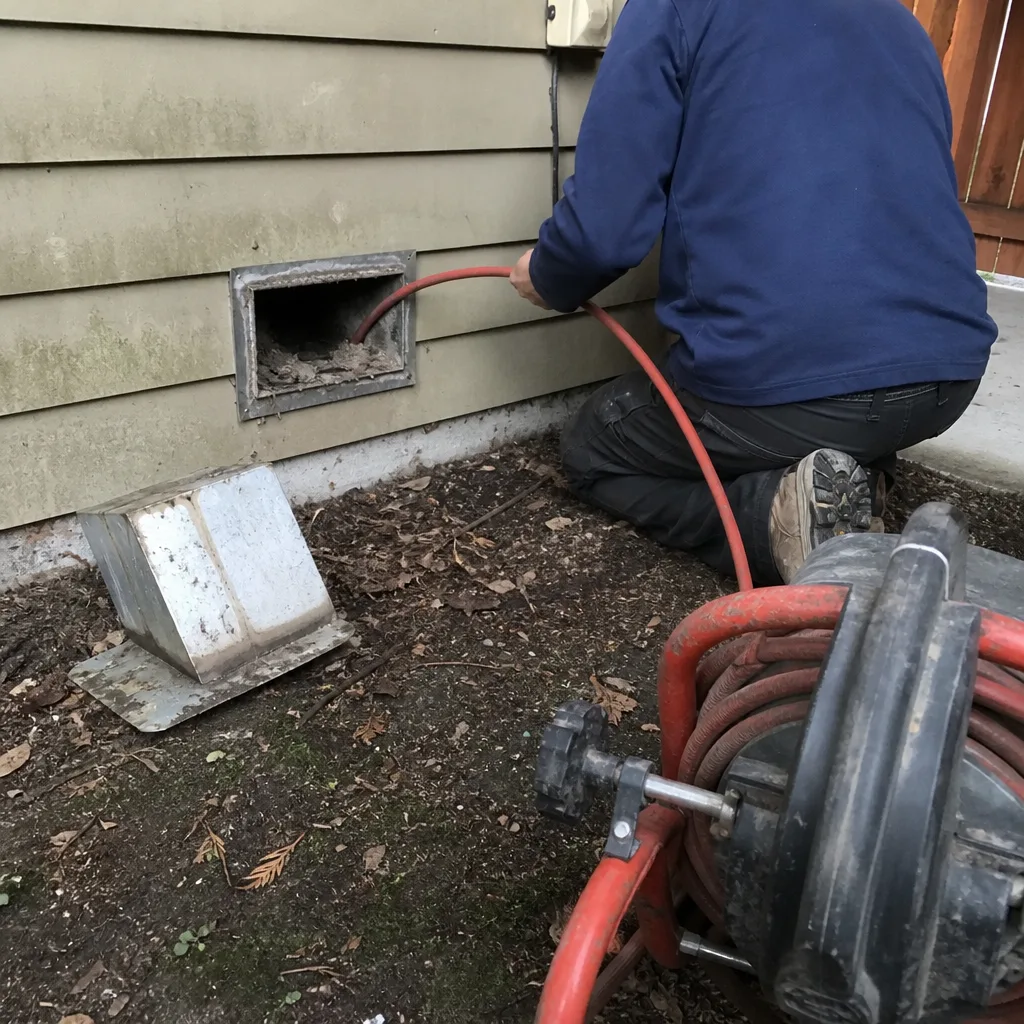 Before
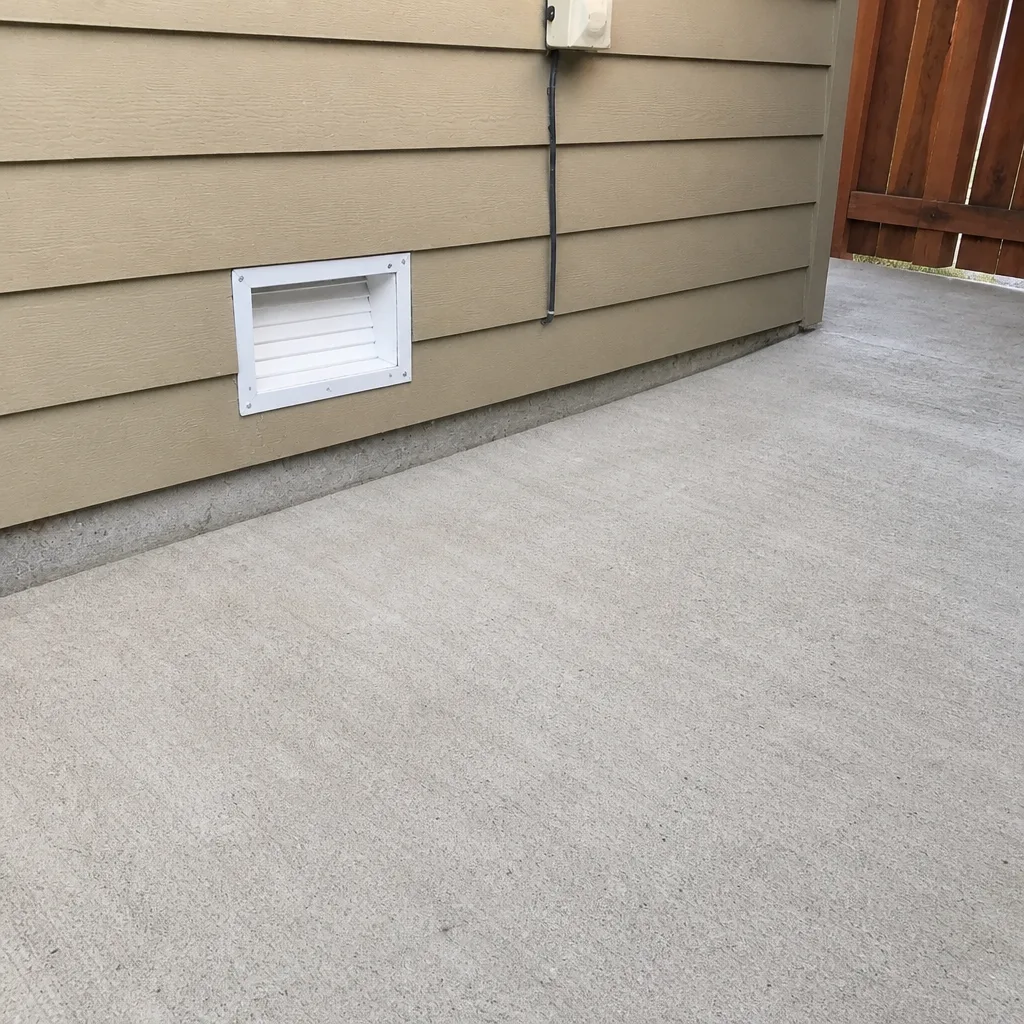 After
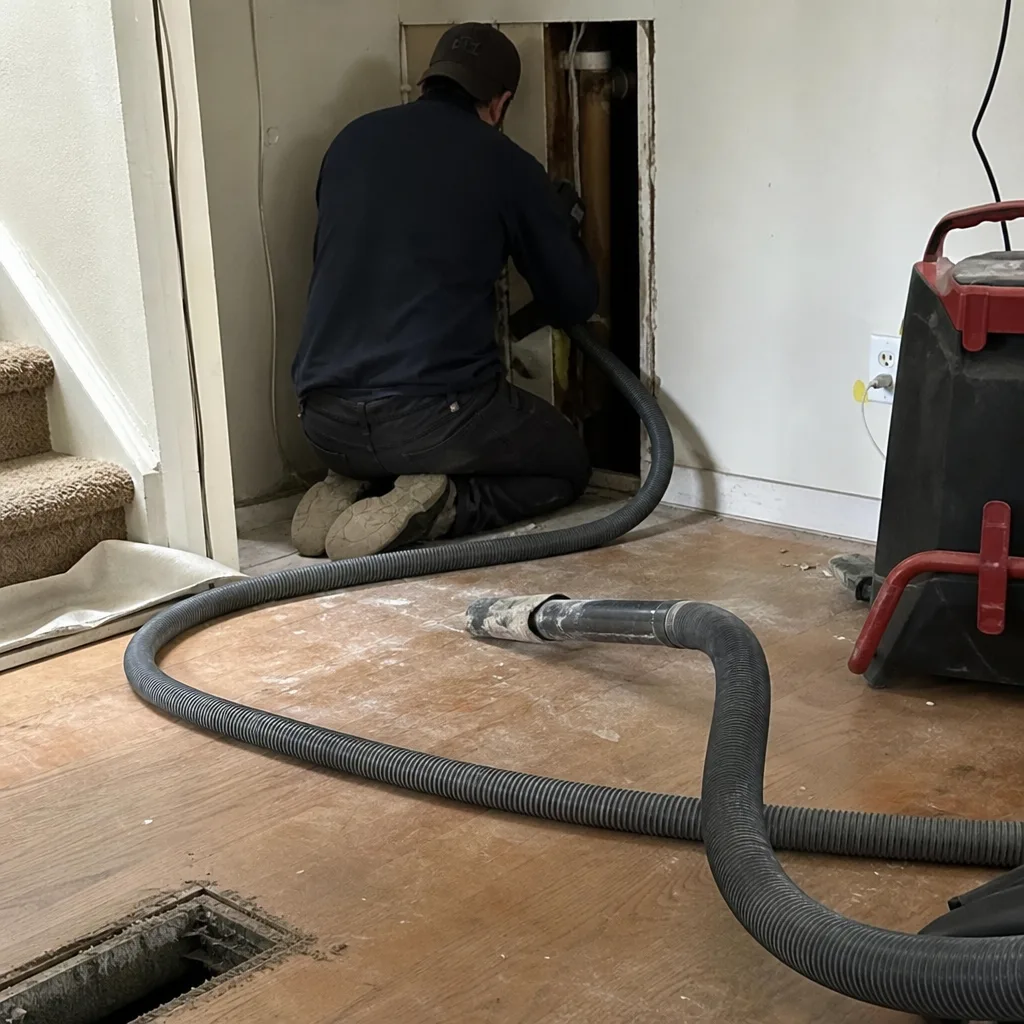 Before
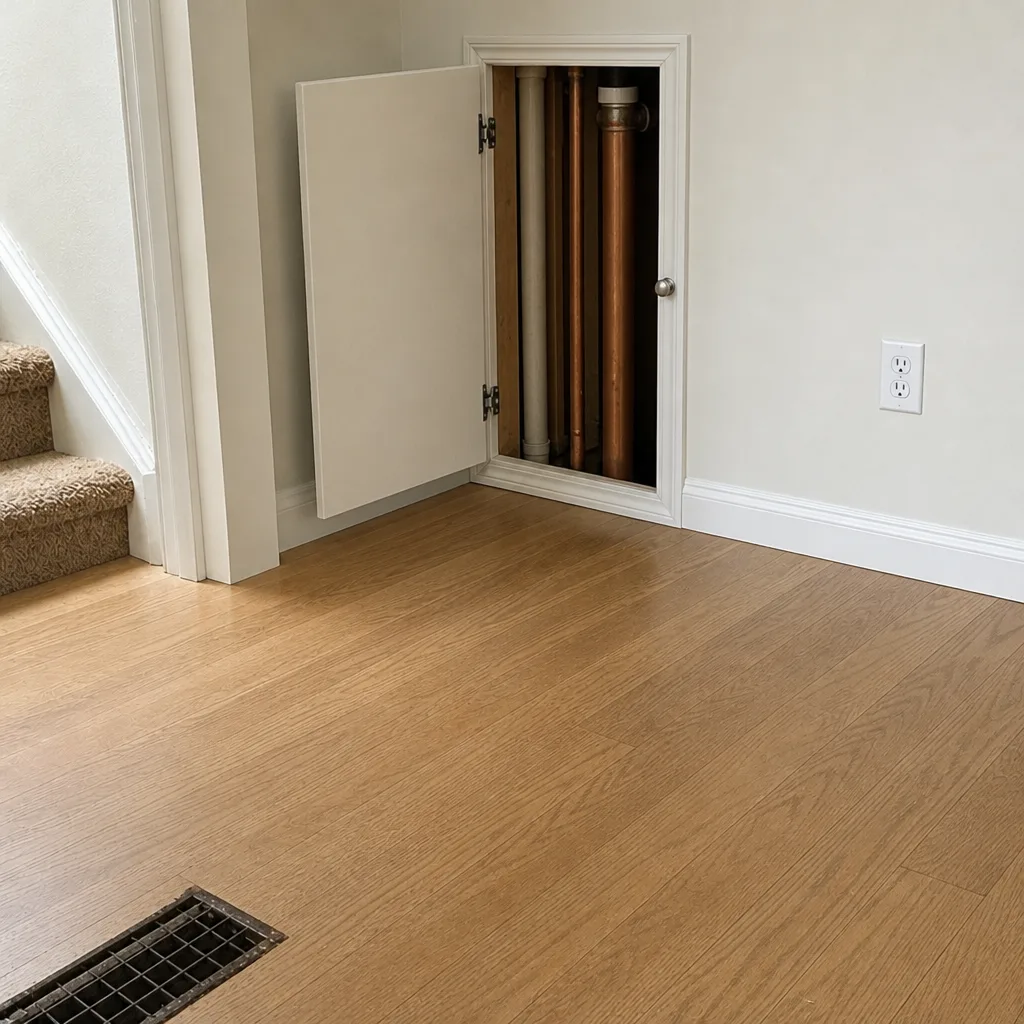 After
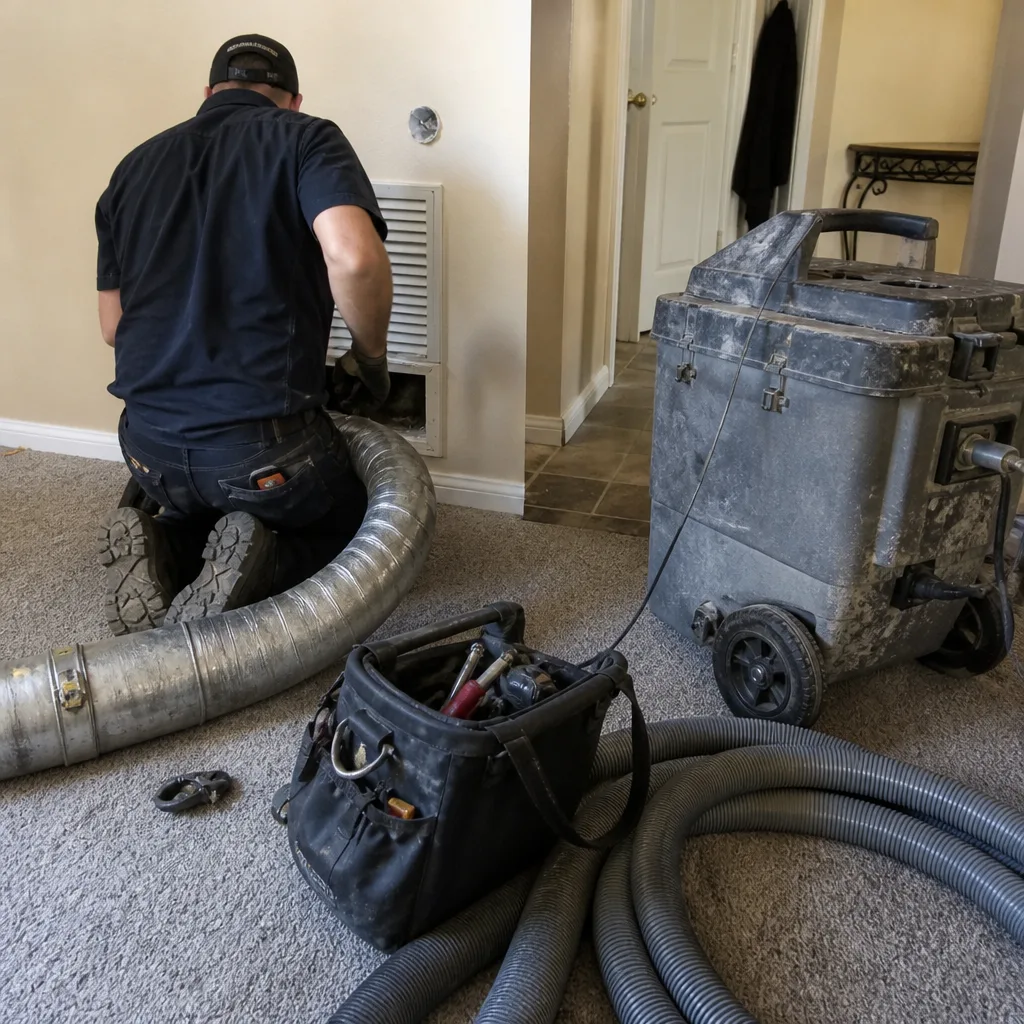 Before
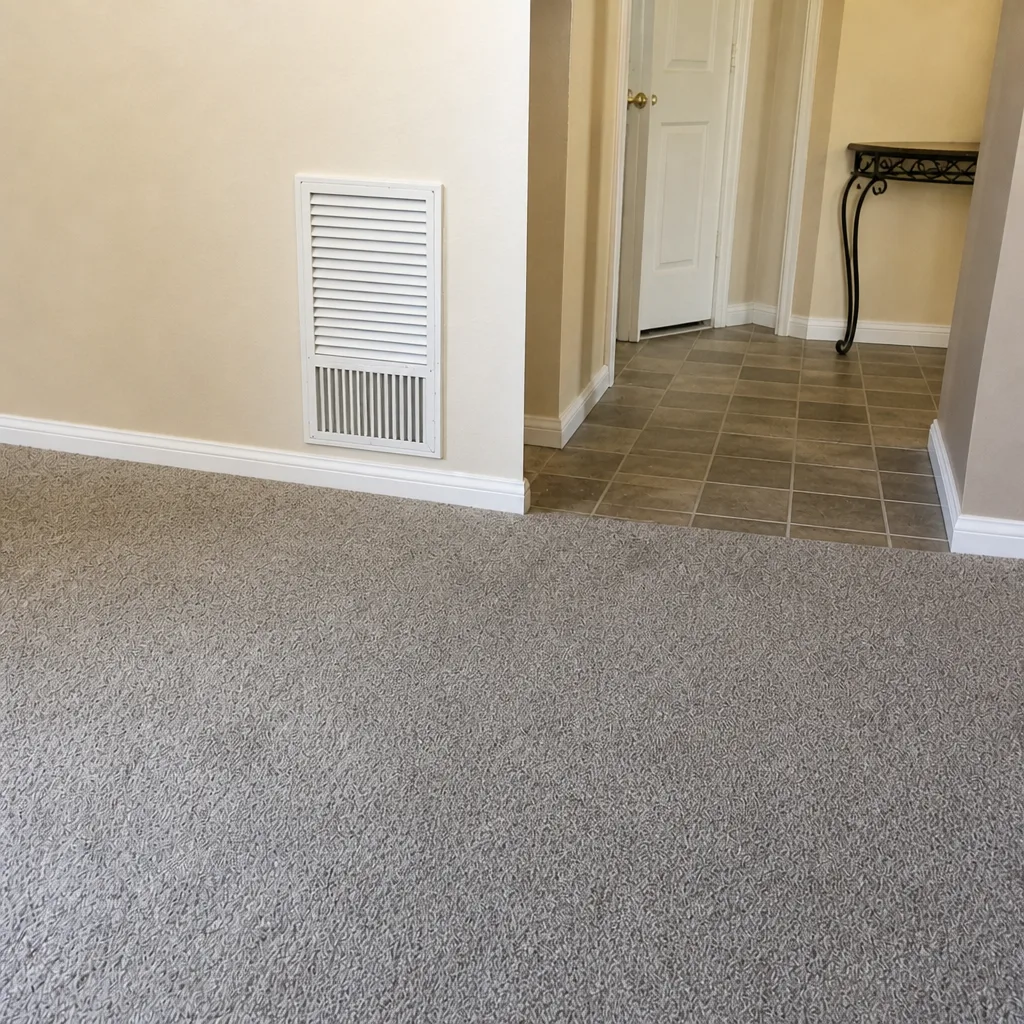 After
When to Call a Professional
Some duct work is judgment-based; some is simple. Any of the following mean it’s time to call a professional rather than wait:
- Visible dust or debris on the return grilles or inside supply vents.
- A musty or stale smell that returns whenever the heat or AC runs.
- A heavy wildfire smoke season has passed and you want the system looked at.
- Allergy or respiratory symptoms in the household that seem worse at home.
- A dryer that now takes noticeably longer to dry a load.
- A recent renovation or a home that’s just changed hands or occupants.
- You’ve had ducts cleaned before and aren’t sure what was actually done.
If you’re seeing more than one of these, a full-system assessment will tell you what’s needed. Issaquah Air Duct Cleaning Pros offers free estimates in Issaquah – call (877) 792-6439 for a free estimate and a straight read on your system. We answer 24/7. Fast dispatch from 7am to 7pm, Sunday through Friday.
Frequently Asked Questions
Air duct cleaning in Issaquah is priced per system by a written estimate, based on the number of runs, the condition of the system, and whether repair and sealing are needed. A full-system clean costs more than a grille vacuum, but the estimate sets a flat price before any work starts, so there’s no per-vent add-on. Call (877) 792-6439 for an exact quote – estimates are free.
Cheap quotes usually cover less work: a vacuum over the visible grilles rather than a full-system clean of the supply runs, returns, air handler, and coil. Ask what equipment a company uses and whether they document before-and-after photos, and the difference shows up immediately. Call (877) 792-6439 for an exact quote on a full-system clean – estimates are free.
Ask for before-and-after photos of your own ducts and a post-cleaning report with particle readings taken the same way both times. A report you can compare and reproduce is the real proof of work. Call (877) 792-6439 for an exact quote – estimates are free.
An inspection every year or two, with cleaning scheduled when it’s actually needed, is more useful than a fixed interval. The valley’s smoke and moisture seasons change the answer from home to home. Call (877) 792-6439 for an exact quote – estimates are free.
Not necessarily. A heavy smoke season is a reason to inspect the system, and the assessment decides whether it needs a full clean, a coil clean, or a filter upgrade. Matching the response to what’s actually in the system is the point. Call (877) 792-6439 for an exact quote or an inspection – estimates are free.
Yes. Repair and sealing are part of a full-system service, so a disconnected run, a crush point, or a leaky joint can be fixed in the same engagement. That means higher airflow and better air quality without a second contractor. Call (877) 792-6439 for an exact quote – estimates are free.
The Bottom Line
Air duct cleaning works best as ongoing stewardship, not a one-time checkbox. In Issaquah, the valley’s trapped smoke and moisture, the Cedar River corridor’s humidity, and the mix of older metal and newer flex duct mean the system changes with the seasons. A full-system clean that includes contact cleaning, HEPA extraction, the air handler and coil, repair and sealing, and documentation is where the value is. Compare quotes on what’s actually included, ask for before-and-after photos of your own ducts, and let an inspection – not a fixed calendar – decide when it’s time. Call (877) 792-6439. We answer 24/7. Fast dispatch from 7am to 7pm, Sunday through Friday. Our technicians have up to 8 years of experience.
Written by the team at Issaquah Air Duct Cleaning Pros.